A HubSpot Elite Solutions Partner built to help organizations unify strategy, systems, and execution. We design HubSpot systems that scale.

See how we've solved complex HubSpot challenges across migrations, integrations, CMS, automation, and optimization.

Join a team building smarter HubSpot systems. We value strategic thinkers who move proactively, care about quality, and want to do meaningful work.

9 min read

How to Generate More eCommerce Leads: 8 Proven Ways to Turn Visitors Into Customers

How to Generate More eCommerce Leads: 8 Proven Ways to Turn Visitors Into Customers

Most eCommerce businesses focus on getting more website traffic, but traffic alone does not generate more sales. According to the Baymard Institute, the average online shopping cart abandonment rate is 70.19%, meaning many shoppers with clear buying intent leave before completing a purchase. Those missed conversions represent a larger opportunity than acquiring more visitors, and closing that gap starts with a deliberate lead generation strategy.

Generating more eCommerce leads requires a strategy that attracts shoppers with purchase intent, captures their contact information at the right time, and keeps them engaged until they are ready to buy. Landing pages, personalized offers, automated follow-ups, and AI-powered experiences all increase lead quality and convert more of your existing traffic into customers.

This article covers eight proven ways to generate more eCommerce leads, build a more deliberate conversion funnel, and use AI and automation to turn visitors into long-term customers.

Key Takeaways

  • Focus on attracting shoppers with purchase intent so you can generate more qualified leads.
  • You can capture more leads by using dedicated landing pages, valuable offers, and personalized follow-ups throughout the customer journey.
  • Use HubSpot AI tools to identify buying intent, personalize shopping experiences, and automate lead qualification and nurturing.

Why Most eCommerce Stores Struggle to Generate Qualified Leads

Most eCommerce stores optimize for traffic when they should be optimizing for purchase intent. That mismatch, not a shortage of visitors, is the primary driver of low lead quality. The data below breaks down where that mismatch happens and why it matters.

Challenge

Proof / Statistic

Why It Hurts Lead Generation

Most visitors never buy

Average eCommerce conversion rates are typically only 2%–4%, meaning 96–98% of visitors leave without purchasing.

More traffic alone doesn't create more qualified leads. Stores need to convert existing visitors.

Cart abandonment is extremely high

The global average cart abandonment rate is 70.19% according to Baymard Institute's analysis of 50+ studies.

Many visitors show buying intent but drop out before converting into customers or leads.

Many visitors aren't ready to buy

Baymard found 42% of shoppers abandoned their cart because they were "just browsing" or not ready to purchase.

Stores often attract awareness-stage visitors instead of high-intent prospects.

Poor checkout experiences reduce conversions

Baymard estimates the average eCommerce site could improve conversions by 35% through checkout UX improvements alone.

Friction during checkout prevents qualified buyers from completing their journey.

Unexpected costs drive buyers away

Shipping fees, taxes, and unexpected costs remain among the leading causes of cart abandonment across industry research.

Qualified buyers leave when pricing isn't transparent.

Many stores have mediocre buying experiences

A benchmark of 334 leading eCommerce sites found 65% had checkout performance rated "mediocre" or worse, and only 2% achieved a "good" checkout experience.

Weak UX reduces both lead quality and completed purchases.

Mobile and user journey friction

Research analyzing real eCommerce datasets identified higher exit rates on mobile devices and bottlenecks between product pages and completed purchases.

Mobile friction lowers the number of qualified visitors who continue through the funnel.


These challenges all point to the same issue: attracting visitors is only one part of the equation. Many brands invest heavily in driving traffic but fail to capture visitors who are genuinely interested in buying, or nurture those who are still evaluating their options. At the same time, friction throughout the purchase journey, from unclear pricing to poor checkout experiences, causes even high-intent shoppers to leave before converting.


Solving both problems requires a deliberate strategy for capturing intent and removing friction at every stage of the funnel.

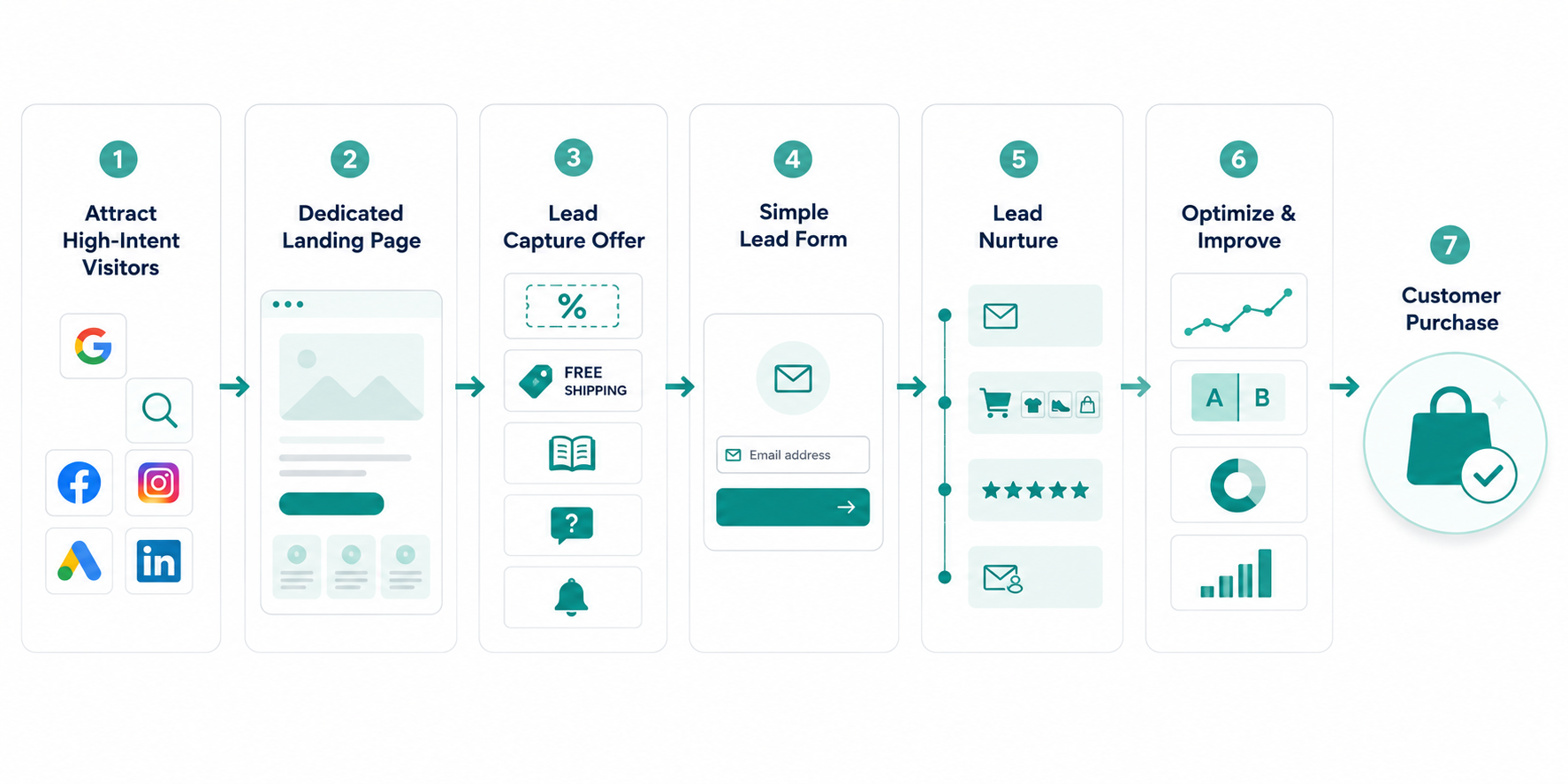
How Can You Build an eCommerce Funnel That Captures More Leads?

1. Attract Visitors With High Purchase Intent

Your funnel starts with bringing in people who are already looking for products like yours. Focus on search engine optimization (SEO) and answer engine optimization (AEO), buying guides, comparison articles, social media content, and paid ads that answer specific shopping questions.

2. Send Traffic to Dedicated Landing Pages

Avoid directing paid traffic to your homepage or category pages. Create landing pages for a single campaign, product category, or audience segment. Each page should have one clear value proposition, one primary call to action, and minimal distractions so visitors know exactly what to do next.

3. Offer a Valuable Reason to Share Contact Information

Many visitors are not ready to buy on their first visit. Give them a reason to stay connected by offering something valuable in exchange for their email address. Depending on your products, this could include:

  • A first-order discount
  • Free shipping
  • Early access to new collections
  • A product buying guide
  • A quiz with personalized recommendations
  • Back-in-stock notifications

Choose an incentive that helps shoppers move closer to a purchase rather than offering a generic newsletter signup.

4. Keep Lead Capture Forms Short and Easy to Complete

Every additional form field creates more friction. For most eCommerce stores, asking only for an email address is enough for first-time visitors. If you need more information, collect it later through progressive profiling or follow-up interactions instead of asking everything upfront. Test different placements, such as welcome pop-ups, embedded forms, product pages, and exit-intent pop-ups, to find what converts best.

5. Nurture Leads Before Asking for the Sale

Not every lead will purchase immediately. Use automated email sequences to introduce your brand, highlight best-selling products, answer common objections, share customer reviews, and recommend products based on browsing behavior. Consistent and relevant follow-up helps keep your brand top of mind until shoppers are ready to buy.

6. Optimize Every Stage Based on Performance

A funnel should continuously improve over time. Track metrics such as landing page conversion rate, email sign-up rate, cart abandonment, checkout completion, and revenue by traffic source.

Run A/B tests on headlines, offers, form length, calls to action, and page layouts to identify where visitors drop off and make data-driven improvements.

Building a funnel that captures more leads is about aligning each stage, from the first visitor touchpoint to post-purchase nurture, so that intent is captured early and friction is removed at every step in between.

What Are the 8 Most Effective eCommerce Lead Generation Strategies?

1. Stop Sending Every Visitor Straight to Your Product Pages

Many visitors are still researching when they land on your website. If someone searches for "best running shoes for flat feet," they're usually comparing options, learning about features, or narrowing down choices. A product listing alone often doesn't answer those questions, so visitors leave to continue their research elsewhere.

Create content that helps shoppers decide before asking them to buy. Publish buying guides, product comparisons, gift guides, quizzes, or curated collections that solve a specific problem and naturally introduce relevant products. This builds trust, keeps visitors engaged, and moves them closer to a purchase.

HubSpot Breeze Content agent makes it easier to publish these resources, while its Smart CTAs can recommend products based on the content each visitor is viewing.

2. Give Visitors a Good Reason to Share Their Contact Information

Offer something shoppers find valuable at that stage of their journey. A first-order discount, free shipping, early access to new collections, a personalized product quiz, or a downloadable buying guide gives people a clear benefit for signing up. The offer should make shopping easier or more rewarding, not simply ask visitors to join a mailing list.

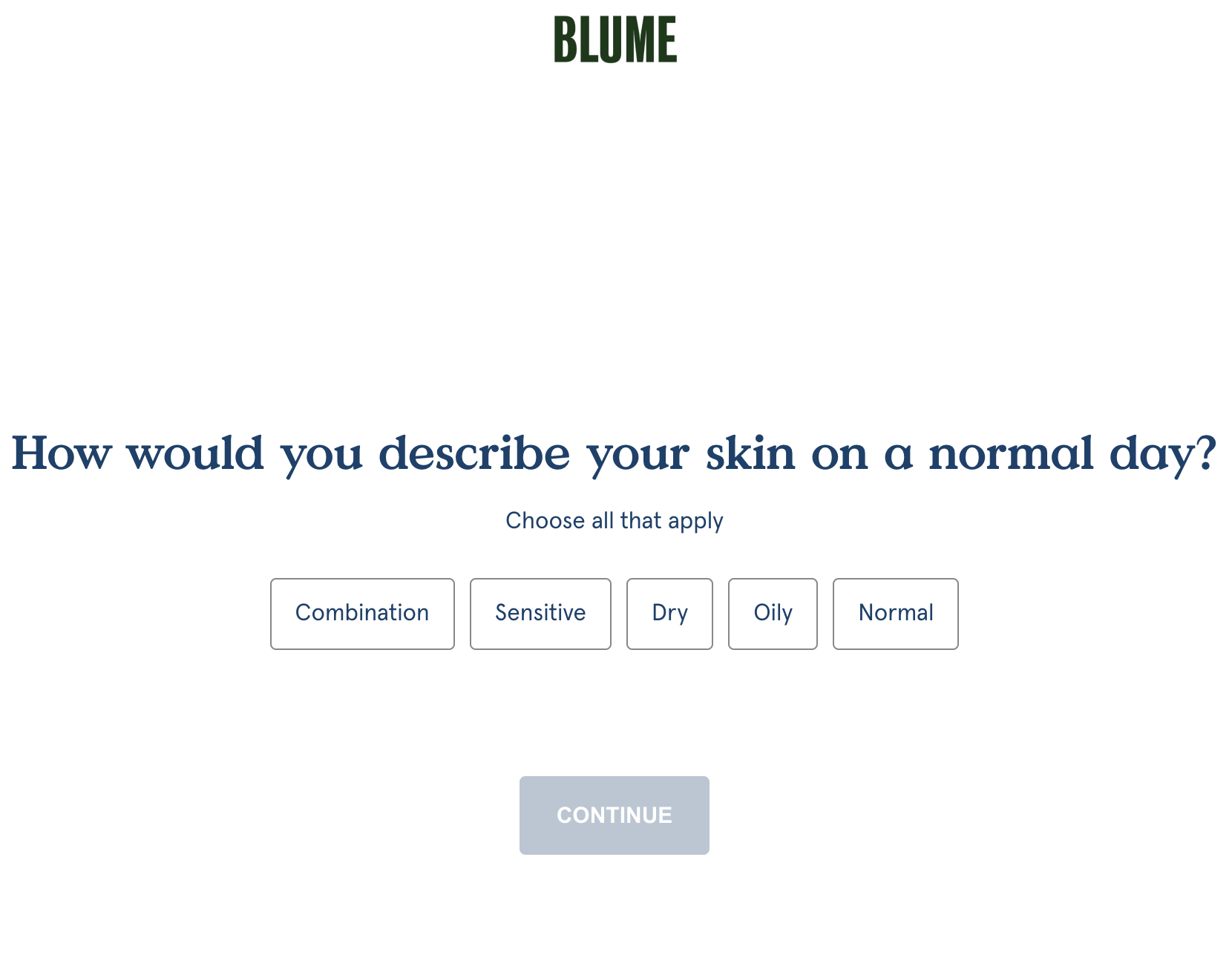
Blume uses a skincare quiz that recommends products based on each person's needs and collects an email address before showing personalized results.

blume-use-skincare-quiz-for-personalization-and-collecting-leads

This brand captures contact information while giving shoppers something they actually want in return, which is what separates a high-converting offer from a generic newsletter signup.

3. Capture Leads When Buying Intent Is Highest

Timing has a major impact on conversion rates. Asking every visitor for an email the moment they arrive often produces poor results because they haven't explored your store yet.

Display lead capture offers after visitors show genuine interest. Someone who views several products, saves items to a wishlist, opens a sizing guide, visits an out-of-stock product, or moves toward exiting the site has already demonstrated buying intent. These are the moments when shoppers are much more willing to exchange their contact information for something valuable.

You can use HubSpot Forms and Pop-up CTAs to trigger different offers based on visitor behavior, including exit intent, scrolling, inactivity, or page engagement.

Many Shopify stores collect email addresses through "Notify Me When Available" forms on out-of-stock products, building a list of shoppers already interested in purchasing.

4. Keep the Conversation Going After Visitors Leave

Leaving your website doesn't always mean someone has lost interest. Many shoppers compare brands, discuss purchases with family, or wait for payday before making a decision.

Stay connected with automated follow-up emails based on what each shopper did on your website. Send abandoned cart reminders, browse abandonment emails, product recommendations, or restock notifications that match their browsing history.

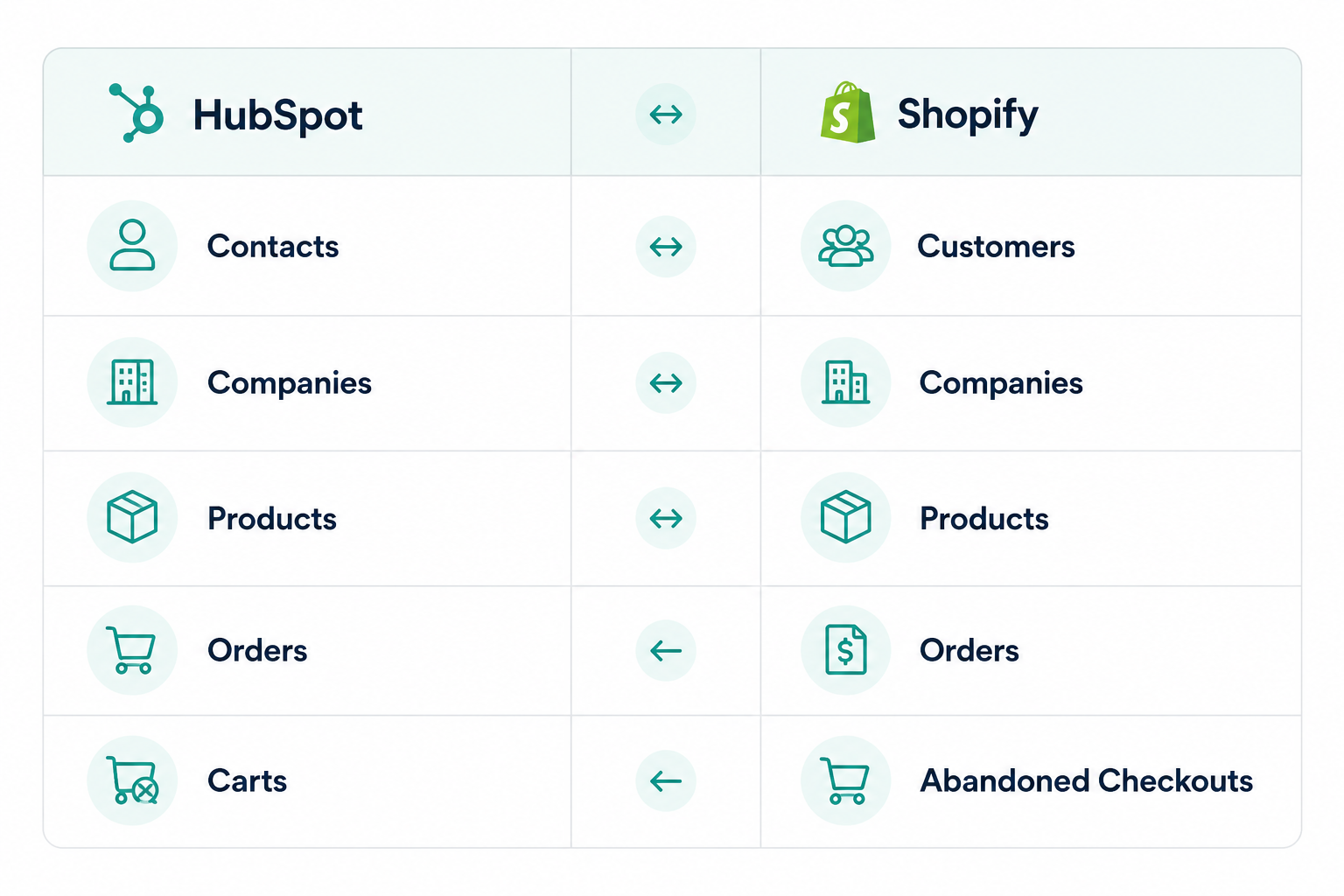
You can use HubSpot Workflows to automatically trigger these emails. The native HubSpot-Shopify integration automatically syncs contacts, products, orders, and abandoned checkouts between the two platforms.

hubspot-shopify-data-sync

Once the data is synced, you can use workflow enrollment triggers such as recent product views, abandoned checkouts, completed purchases, first orders, repeat purchases, and customer properties to send personalized marketing emails without manual work.

5. Remove the Questions That Delay a Purchase

Small uncertainties can quickly become reasons to postpone a purchase. Answer common concerns directly on your product pages. Include verified customer reviews, user-generated photos, detailed sizing information, FAQs, shipping costs, delivery timelines, and return policies. These trust signals reduce hesitation and help shoppers make informed decisions without leaving your website to look for answers elsewhere. Adding social proof close to calls-to-action has also been shown to improve conversions.

The popular fitness apparel brand Gymshark places customer photos, size recommendations, and verified reviews alongside product details so shoppers can validate their purchase before adding items to their cart.

6. Personalize the Shopping Experience for Every Visitor

Different shoppers have different interests, budgets, and buying histories. Showing everyone the same homepage, offers, and product recommendations makes it harder for customers to find what they're looking for.

Syncing your Shopify store with HubSpot brings customer profiles, order history, and browsing behavior directly into HubSpot, letting you pull contacts' recently viewed products into your marketing emails.

hubspot-shopify-personalized-experience

This makes it easy to showcase items customers have recently explored and re-engage them with personalized, revenue-driving content.

7. Reconnect With Interested Shoppers Before They Move On

Many shoppers need multiple visits before making a purchase. Reaching people who already know your brand is often more efficient than constantly finding new traffic.

Use retargeting ads, wishlist reminders, price-drop notifications, and back-in-stock alerts to bring previous visitors back to your store. These campaigns focus on shoppers who have already viewed products or interacted with your website, making your marketing more relevant and improving the chances of conversion.

8. Find Funnel Leaks and Improve Them Continuously

Monitor every step of your customer journey to identify where visitors leave. Review landing pages, product pages, signup forms, and checkout flows to find the biggest drop-off points.

Once you've identified a bottleneck, test one change at a time, such as simplifying a form, rewriting a headline, strengthening a CTA, or improving page layout. Measuring each change individually helps you understand what actually improves lead generation.

You can also use HubSpot reporting dashboards and attribution tools to make it easier to identify these opportunities and measure the business impact of every optimization.

Where Can AI Help You Generate and Qualify More eCommerce Leads?

AI helps eCommerce businesses identify buying intent, personalize shopping experiences, answer questions instantly, recommend products, and qualify leads before your sales or customer service teams get involved. HubSpot's Breeze AI, AI-powered personalization engines, and conversational commerce tools make this possible within a connected CRM.

Use AI Assistants to Capture and Qualify Leads Faster

AI assistants can start conversations immediately, answer product questions, recommend the next step, and collect information before handing the conversation to a human. For example, if someone spends several minutes comparing premium coffee machines, an AI assistant can ask:

"Are you looking for home or commercial use?"

Based on the response, it can recommend products, collect an email address, and create a qualified lead inside your CRM.

HubSpot's Breeze Assistant and Customer Agent can help summarize customer context, answer questions using your business knowledge, automate follow-ups, and surface qualified opportunities without requiring manual work from your team.

Personalize Every Shopping Experience

AI analyzes browsing behavior, previous purchases, location, referral source, and CRM data to customize what each visitor sees. AI can:

  • Display products related to previous purchases.
  • Recommend collections based on browsing history.
  • Personalize banners and promotions.
  • Change email offers based on customer interests.
  • Prioritize products most likely to convert.

If a returning customer previously bought hiking boots, AI can immediately showcase hiking backpacks, waterproof jackets, and trekking accessories instead of generic best sellers.

Turn Conversations Into Qualified Leads with Conversational Commerce

Many shoppers have questions before purchasing. You can use AI to guide buying decisions in real time. Customers can ask:

  • Which laptop is best for video editing?
  • What's the difference between these two skincare products?
  • Which size should I choose?
  • Will this arrive before Friday?

The AI responds naturally, asks follow-up questions, narrows options, and recommends products based on customer needs.

Research on conversational recommendation systems shows that combining AI conversations with recommendation engines helps shoppers express their preferences more naturally. This leads to more accurate product suggestions and smoother purchasing journeys.

Identify High-Intent Buyers Automatically

Not every visitor is ready to buy. AI helps prioritize the ones who are. It can evaluate signals such as:

  • Multiple visits to pricing pages
  • Returning visitors
  • High-value product views
  • Cart activity
  • Email engagement
  • Time spent comparing products

Once a visitor reaches your qualification criteria, AI can automatically:

  • Assign a lead score.
  • Notify your sales team.
  • Trigger personalized email sequences.
  • Launch abandoned cart campaigns.
  • Create CRM tasks for follow-up.

HubSpot continues expanding AI-powered lead qualification and prospecting capabilities through Breeze Agents, helping teams identify buying signals and automate outreach using CRM context.

Create Personalized Follow-Ups Automatically

AI doesn't stop after someone becomes a lead. It can generate personalized follow-up emails, recommend the best products to revisit, remind shoppers about abandoned carts, and tailor messaging based on previous interactions.

For example, if someone downloads your buying guide but doesn't purchase, AI can automatically send educational content, product comparisons, customer reviews, and a limited-time offer based on their interests.

As shoppers increasingly rely on AI during product research, businesses need AI across the entire customer journey, not just content creation. HubSpot's research found that buyers who used AI search during their evaluation process were more likely to make a purchase. This is one reason why highlighting AI-powered discovery, personalization, recommendations, and qualification is becoming essential for eCommerce growth.

Turn More Visitors Into Qualified eCommerce Leads Today!

If your organization needs a more effective way to generate, qualify, and convert eCommerce leads, the right strategy and technology can make the process more efficient. A connected CRM, automated workflows, AI-powered personalization, and accurate reporting help you identify high-intent buyers, reduce friction, and improve conversion rates across your funnel.

Campaign Creators helps eCommerce businesses build lead generation strategies that drive measurable growth. From conversion-focused landing pages and marketing automation to AI-powered personalization and HubSpot implementation, we help turn more of your existing traffic into qualified leads and long-term customers.


Frequently Asked Questions

What Is the Difference Between Lead Generation and Conversion Optimization?

Lead generation focuses on attracting and capturing potential customers. Conversion optimization improves the percentage of visitors who complete a desired action, such as making a purchase or submitting a form.

What Types of Products Benefit Most From Lead Generation?

Products with longer buying decisions, higher prices, or repeat purchase opportunities benefit the most from lead generation because shoppers often need multiple interactions before they make a purchase.

Should Every Marketing Campaign Have Its Own Landing Page?

Yes. A dedicated landing page keeps visitors focused on a single offer and usually converts better than sending traffic to your homepage or a general category page.


Can Existing Customers Generate New Leads?

Yes. Referral programs, customer reviews, loyalty programs, and user-generated content help introduce new shoppers who already have a higher level of trust in your brand.

What Is First-Party Data in eCommerce?

First-party data is information you collect directly from customers, such as purchase history, browsing behavior, and email subscriptions. You can use it to create more personalized marketing and shopping experiences.

Should You Collect More Than an Email Address on Your Signup Form?

Usually not for first-time visitors. Asking only for an email address reduces friction and often increases sign-up rates. You can collect additional information later as customers engage with your business.

How to Boost Conversion Rates on Your ECommerce Checkout Page

How to Boost Conversion Rates on Your ECommerce Checkout Page

Your visitor has found your eCommerce site, selected a product and placed it in their cart. But until they enter their payment info and click the...
Read More
Marketing Conversion: 10 Strategies to Increase Conversion Rates

Marketing Conversion: 10 Strategies to Increase Conversion Rates

Marketing conversion has become more important as digital competition increases and customer attention spans continue to shrink. Research shows the...

Read More
Lead Generation Terms Explained: The Essential Glossary for Marketers

Lead Generation Terms Explained: The Essential Glossary for Marketers

Marketing is full of terms that sound similar but mean different things. “Leads,” “prospects,” “MQLs,” “SQLs,” “funnels,” and “pipelines” get used...

Read More