
HubSpot Integration Services for Complex Systems & Clean Data.
Campaign Creators helps teams connect HubSpot with Salesforce, Microsoft Dynamics 365, NetSuite, Shopify, Aircall, BI tools, middleware, and custom databases. From HubSpot App Marketplace setup to custom API integration development, we design the sync logic, object mapping, testing, governance, and error handling needed to keep systems aligned.
Zendesk to HubSpot case study
One company found itself at a crossroads, grappling with the limitations of their existing Zendesk platform. Plagued by data silos, a lack of GDPR features, restricted organizational options, inadequate reporting capabilities, and escalating costs, they knew it was time for a change. This case study delves into their remarkable 90-day journey, highlighting the challenges they faced, the strategies they employed, and the remarkable outcomes they achieved.
HubSpot Custom Integration
We're HubSpot Custom Integration Accredited.
Campaign Creators is accredited by HubSpot for custom integration work, giving you confidence that complex system connections are planned, built, and validated with technical discipline. We map objects, fields, sync rules, APIs, and dependencies before development begins, then test the integration against reporting, automation, sales, service, and operational requirements so HubSpot can function as a connected source of truth across your tech stack.
Architecting Integrations For Platform Adoption.
HubSpot integrations work best when they are designed before they are built. Campaign Creators maps your systems, objects, fields, sync direction, API requirements, ownership rules, and reporting needs before development begins. That upfront architecture helps reduce sync issues, prevent data gaps, and create reliable data flow across the tools your sales, marketing, service, and operations teams depend on.
HubSpot Integration Services by Complexity
Configure
App Marketplace Integrations
Connect HubSpot to supported third-party tools using native and App Marketplace integrations. We help configure settings, define sync rules, map fields, test data flow, and make sure the integration supports your team’s workflows.
- HubSpot App Marketplace setup
- Native CRM and sales tool integrations
- Marketing, service, and communication apps
- Field mapping and sync validation
Sync
Data Sync Integrations
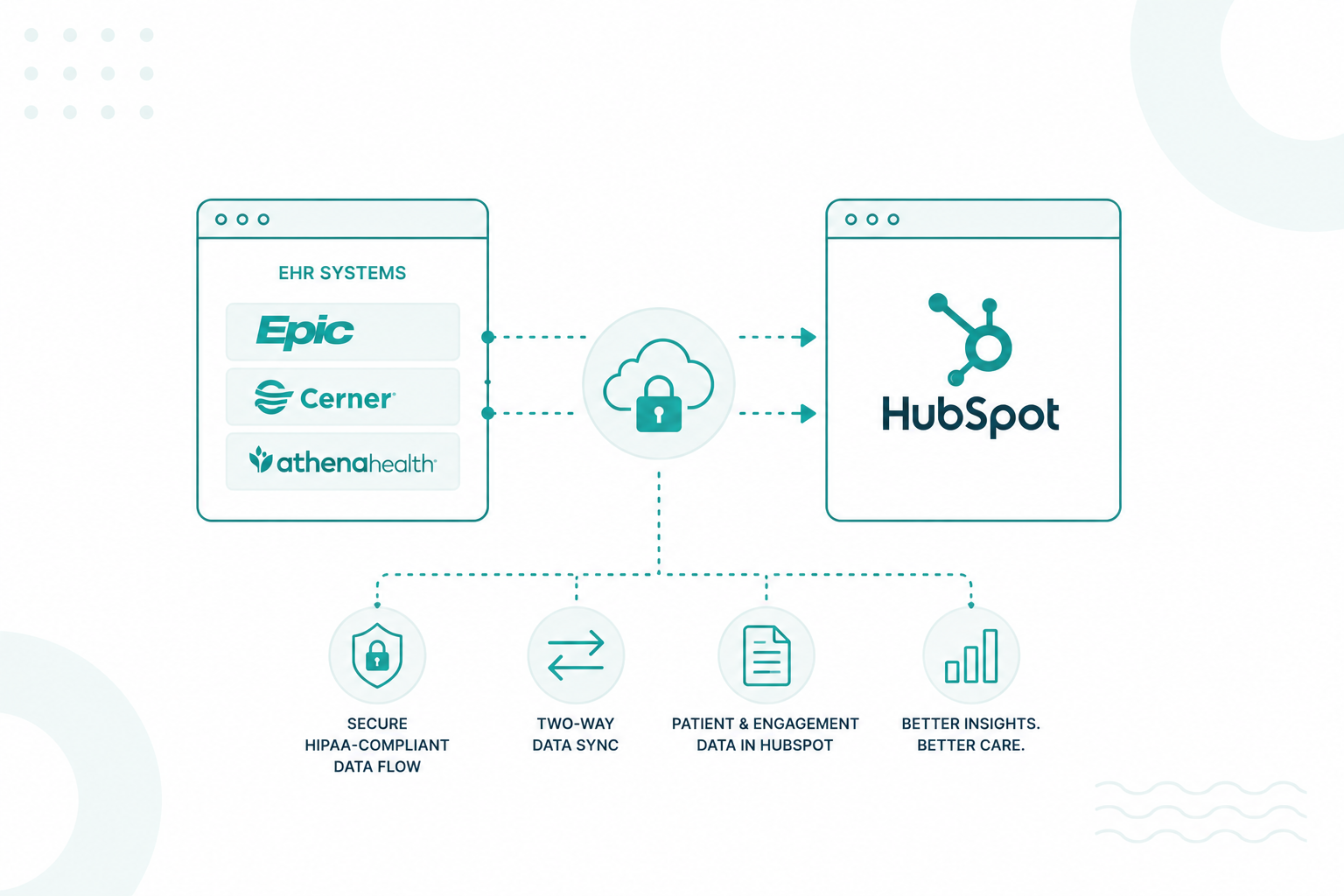
Build cleaner data flow between HubSpot and the systems your business already uses. We support one-way and two-way HubSpot data syncs across contacts, companies, deals, tickets, activities, properties, and custom objects.
- Salesforce ↔ HubSpot
- Microsoft Dynamics ↔ HubSpot
- NetSuite ↔ HubSpot
- Shopify ↔ HubSpot
Build
Custom API Integrations
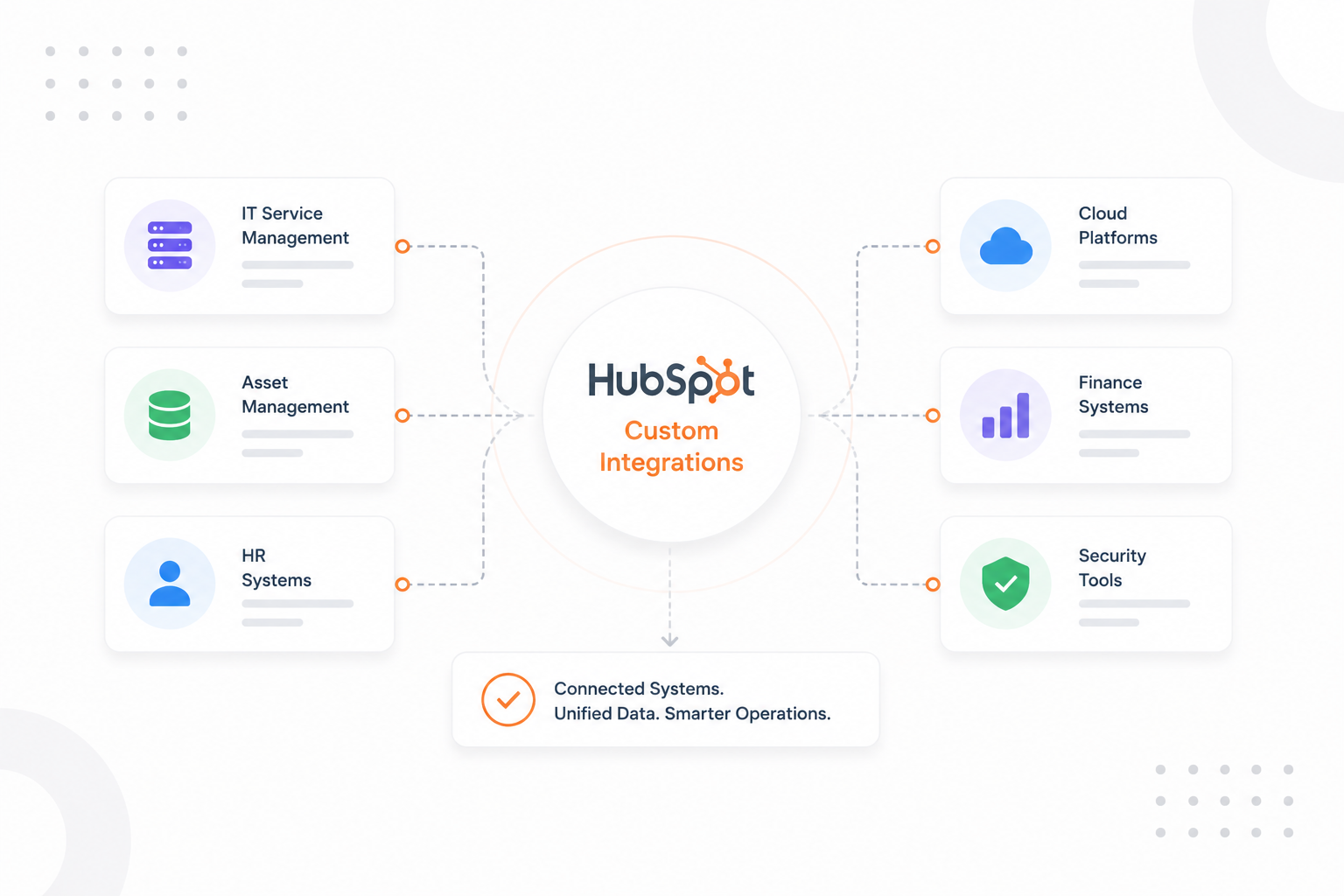
For complex systems, custom databases, ERPs, and homegrown platforms, we design and build HubSpot API integrations around your data model, sync logic, object relationships, and operational requirements.
- SQL Database ↔ HubSpot
- Azure Database ↔ HubSpot
- Custom CRM ↔ HubSpot
- Homegrown Systems ↔ HubSpot
A Disciplined HubSpot Integration Framework
Campaign Creators plans HubSpot integrations around the systems, data, teams, and reporting requirements that need to stay connected after launch. Our process helps reduce sync risk, clarify data ownership, validate object and field mapping, and create reliable data flow across HubSpot and the tools your business depends on.
Integration Discovery
We document your source systems, integration goals, data model, object relationships, user workflows, and system dependencies before build begins.
Sync Architecture Design
We define sync direction, field mapping, inclusion rules, source-of-truth logic, automation dependencies, and the structure HubSpot needs to support.
Build, Configure & Validate
We configure native integrations, build custom API connections, map fields, test data flow, validate records, and resolve issues before launch.
Launch, Monitor & Optimize
We support go-live, sync activation, historical data import, error resolution, documentation, training, and ongoing integration refinement.
HubSpot Integrations for CRM, ERP, Ecommerce, Service & Custom Systems.
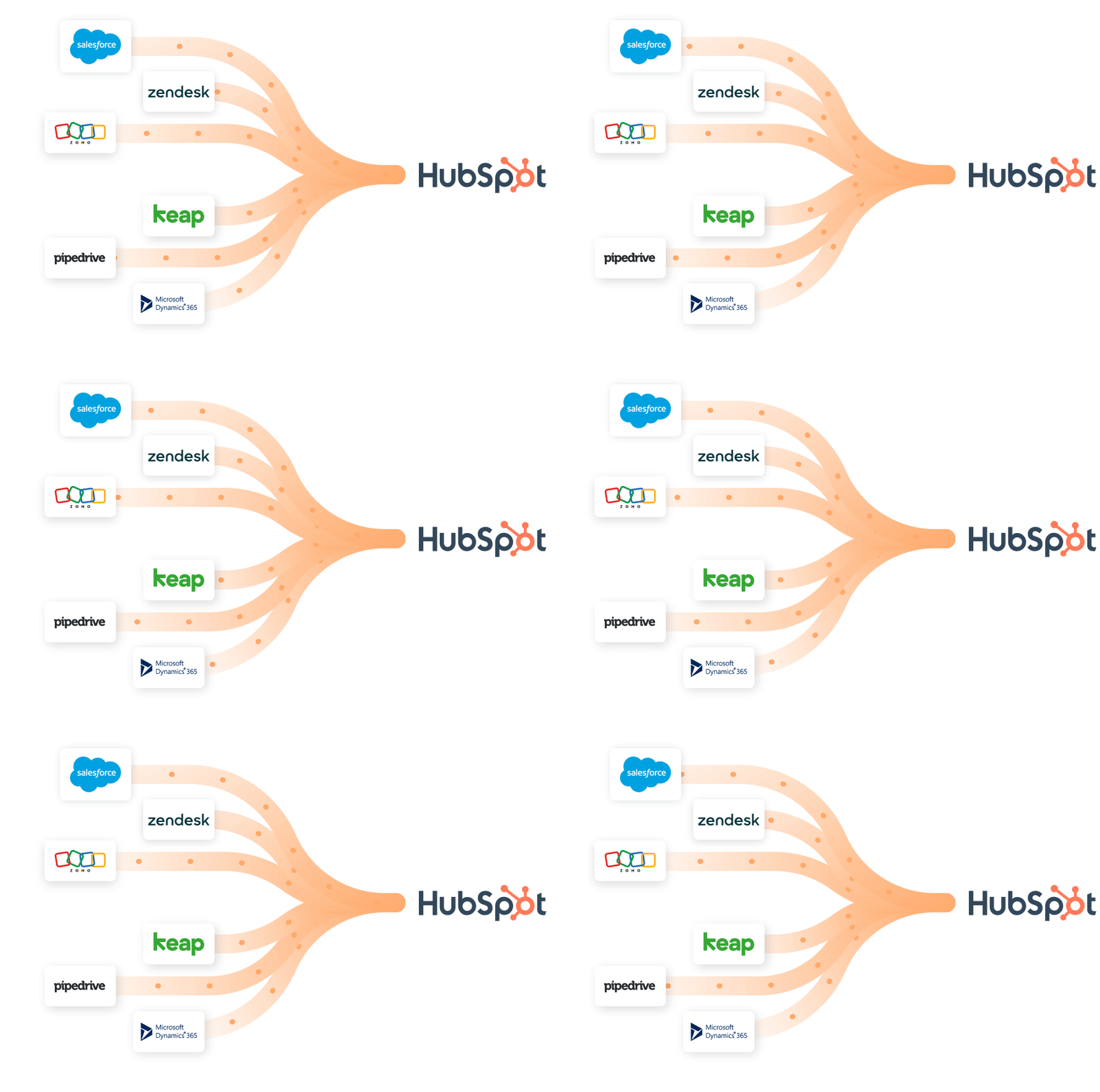
Campaign Creators designs and builds HubSpot API integrations that connect your CRM, ERP, ecommerce, service, database, and custom business systems. Whether you need a one-way sync, two-way sync, or custom data flow between HubSpot and platforms like Salesforce, NetSuite, Shopify, Zendesk, Microsoft Dynamics, SQL databases, or homegrown tools, we map the objects, fields, sync logic, and validation rules needed to keep data moving reliably across your tech stack.
What Reliable HubSpot
Integrations Make Possible
Connect HubSpot to the tools your teams rely on, so data moves reliably across sales, marketing, service, and operations.
Connected Source
of Truth
Bring customer, sales, service, and operational data into HubSpot so teams work from the same trusted information.
Cleaner
Data Flow
Reduce manual updates, duplicate entry, and sync gaps with one-way or two-way HubSpot integrations built around your data model.
Smarter
Automation
Trigger workflows, routing, segmentation, alerts, and lifecycle communication from data that moves reliably between systems.
Better Reporting Visibility
Connect HubSpot with the tools your business depends on so leadership can see performance, pipeline, service activity, and customer context in one place.
HUBSPOT INTEGRATION FAQS
Technical HubSpot Integration Questions, Answered.
HubSpot integrations can look simple from the outside, but the details matter. Sync direction, field mapping, object relationships, source-of-truth rules, API limits, reporting needs, and post-launch monitoring all affect whether your systems stay connected reliably.
-
What is HubSpot integration development?
HubSpot integration development is the process of connecting HubSpot with other business systems, such as CRMs, ERPs, ecommerce platforms, service tools, databases, data warehouses, and custom applications. This can include native integration setup, App Marketplace configuration, data sync planning, custom API development, field mapping, object mapping, testing, and post-launch support.
-
When do you need a custom HubSpot API integration?
A custom HubSpot API integration is usually needed when a native connector cannot support your data model, sync rules, custom objects, business logic, reporting requirements, or system dependencies. Custom integrations are common for ERPs, SQL databases, Azure databases, homegrown CRMs, proprietary platforms, and complex revenue operations environments.
-
Can HubSpot support one-way and two-way data syncs?
Yes. HubSpot integrations can support one-way sync, where data flows from one system into another, or two-way sync, where data moves between systems in both directions. The right approach depends on which system owns the data, how often records need to update, what fields should sync, and how teams use the information across sales, marketing, service, and operations.
-
What systems can Campaign Creators integrate with HubSpot?
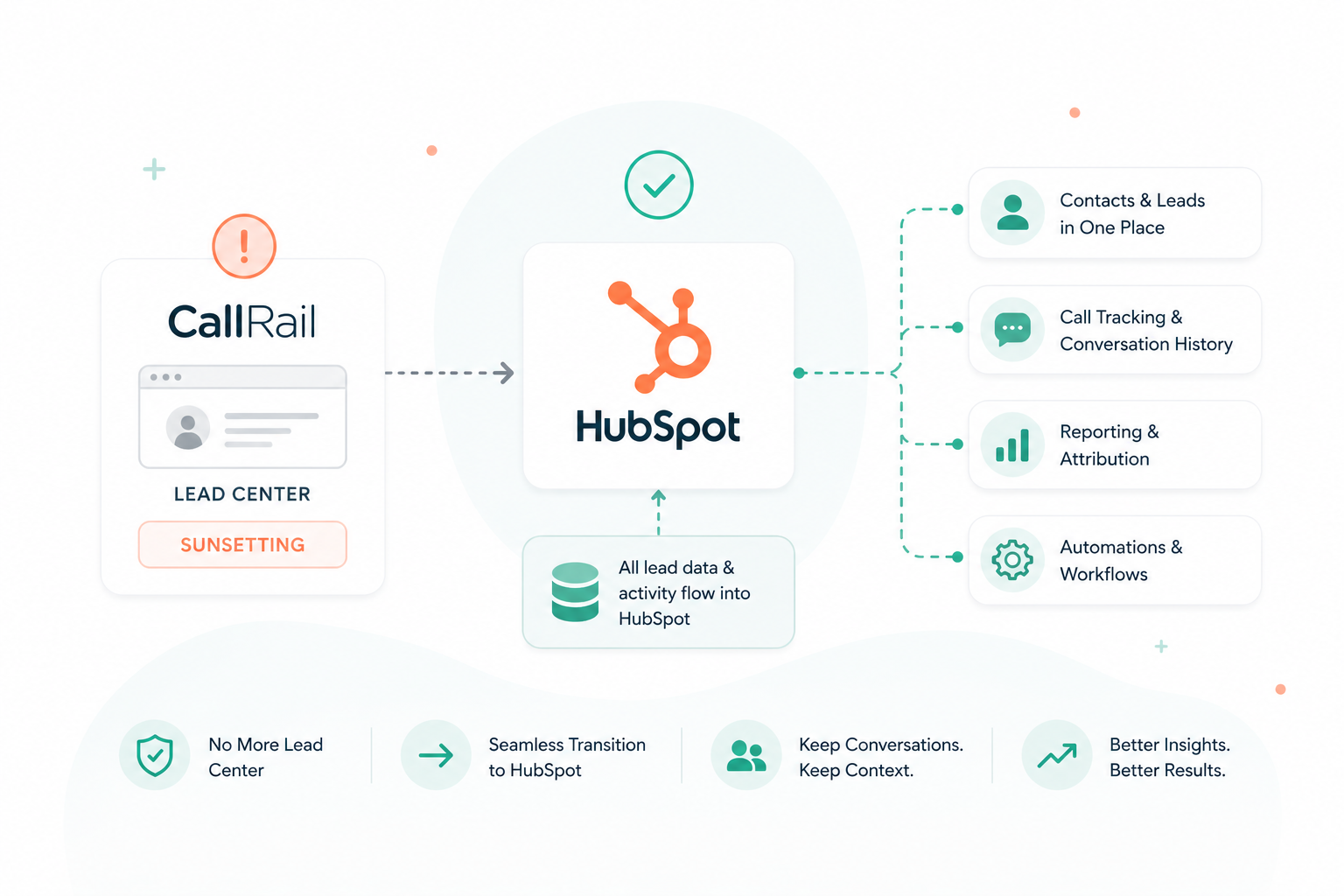
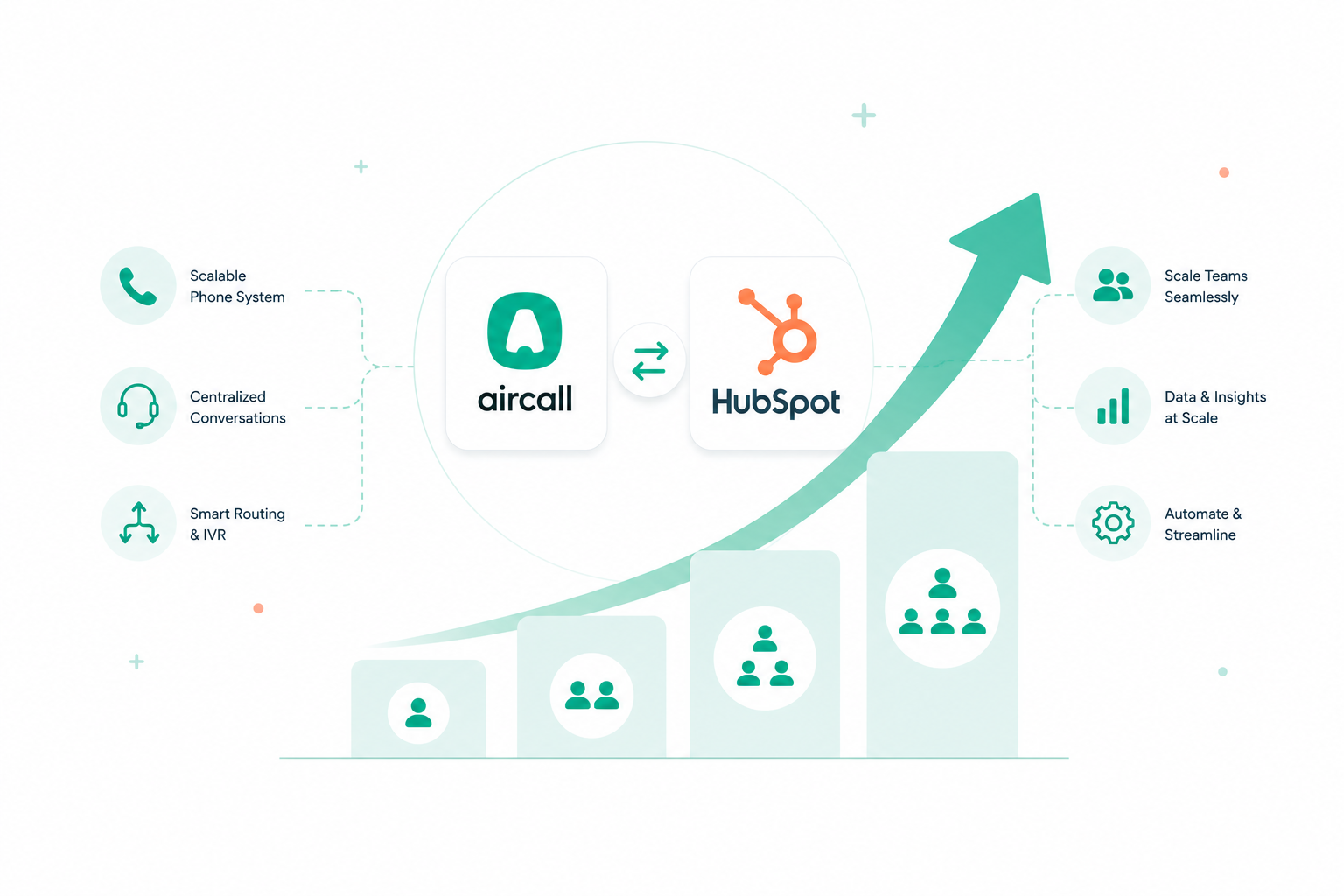
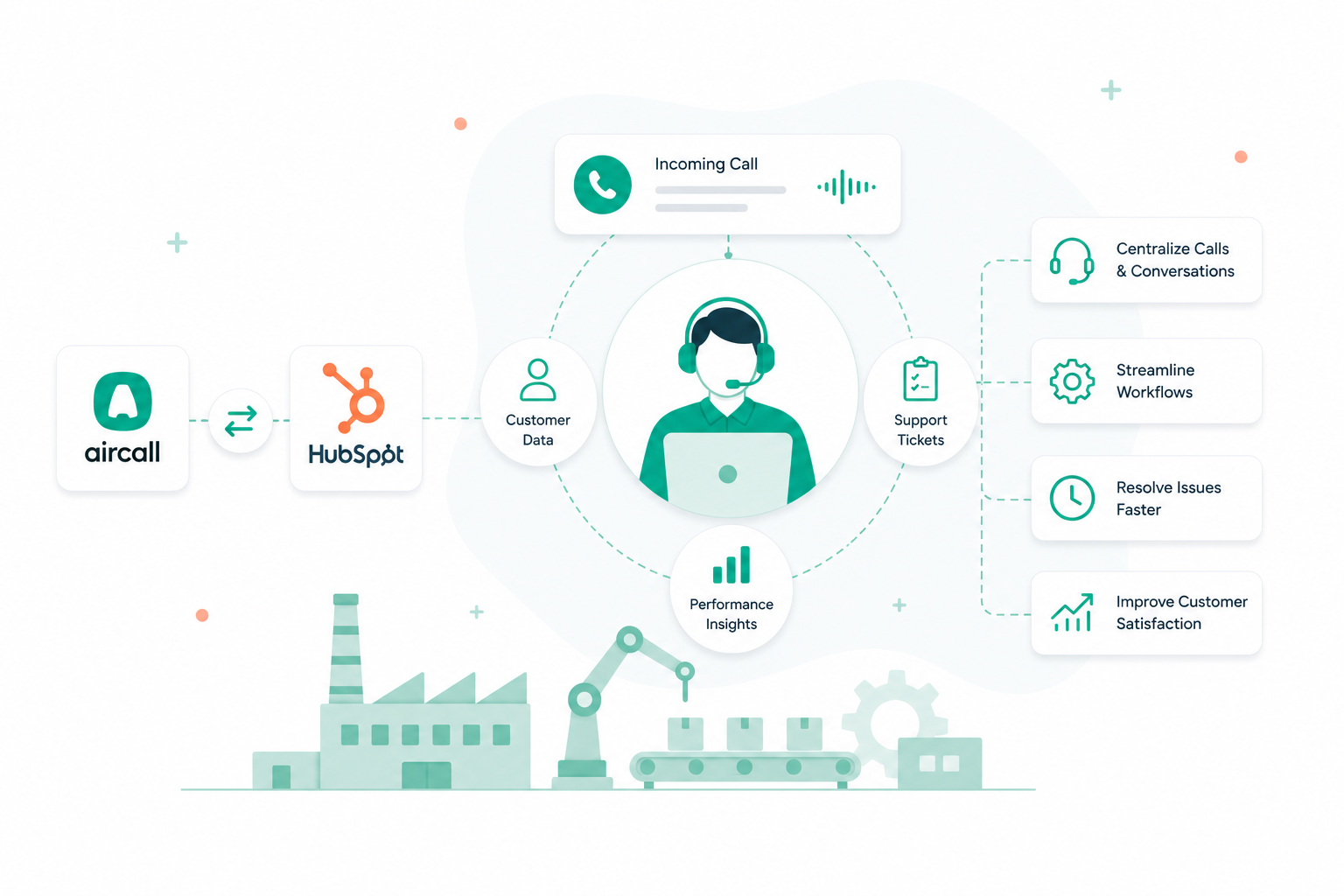
Campaign Creators supports HubSpot integrations with platforms such as Salesforce, NetSuite, Microsoft Dynamics, Shopify, Zendesk, Jira, Aircall, Kixie, CallRail, Dialpad, SQL databases, Azure databases, custom CRMs, and homegrown systems. If a system has an API or structured data access, we can assess the integration path.
-
What is the difference between a HubSpot App Marketplace integration and a custom integration?
A HubSpot App Marketplace integration uses a prebuilt connector between HubSpot and another platform. A custom integration is designed and developed around specific business rules, APIs, data structures, sync logic, and operational requirements. Many companies need a mix of both: native connectors where they fit, and custom development where the business process is more complex. -
How do you prevent HubSpot integration sync issues?
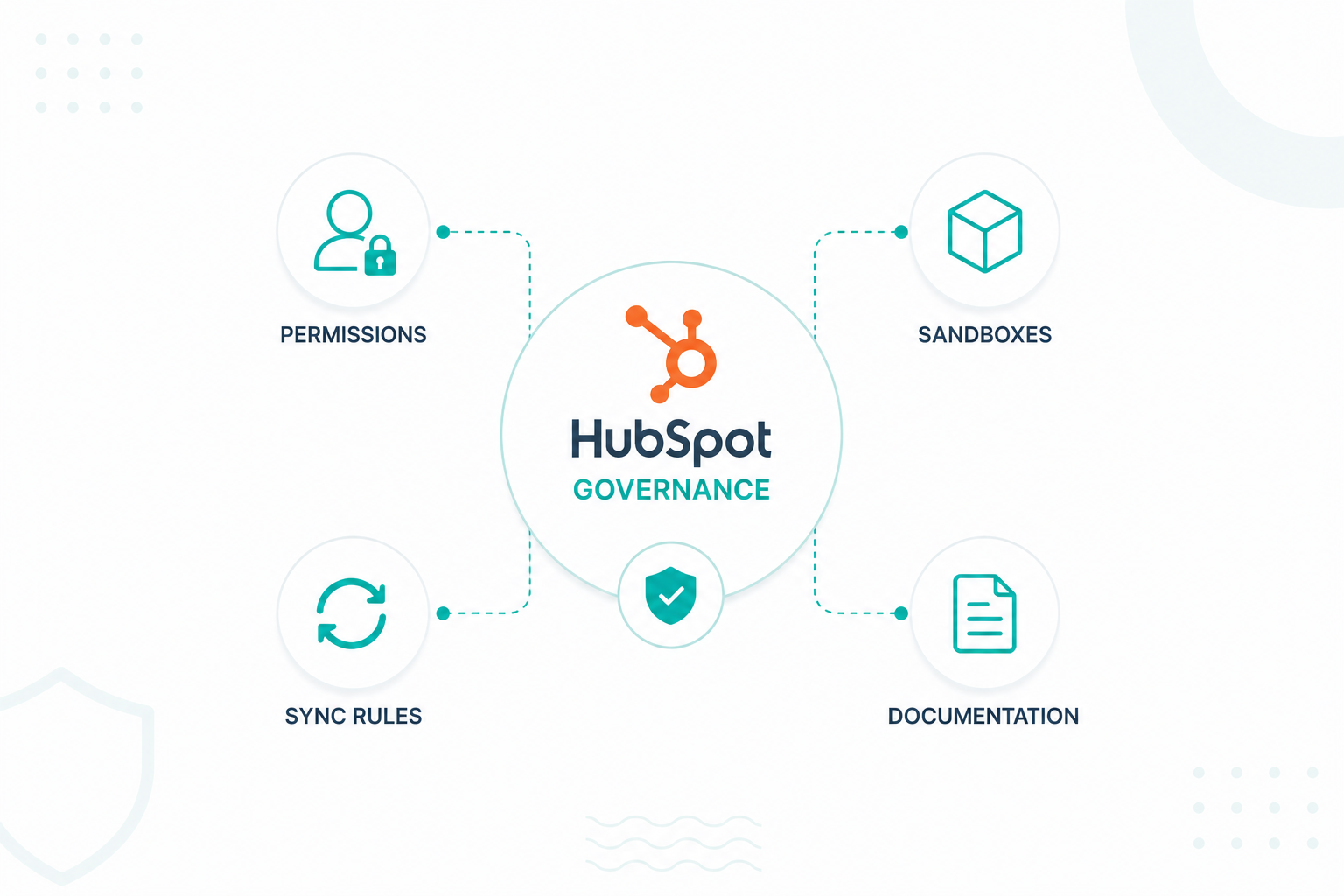
Sync issues are reduced through upfront integration discovery, field mapping, object mapping, sync direction planning, source-of-truth rules, inclusion criteria, test records, sandbox testing, error monitoring, and post-launch validation. The goal is to identify conflicts before they affect reporting, automation, customer communication, or team workflows. -
Can HubSpot integrations support custom objects and associations?
Yes. HubSpot integrations can support custom objects, standard objects, properties, associations, activities, tickets, deals, companies, contacts, and related records depending on the system and API requirements. The important step is designing how those objects should relate to each other before the integration is built. -
Do HubSpot integrations need ongoing support after launch?
Most integrations benefit from ongoing monitoring and optimization after launch. Systems change, fields are added, APIs are updated, workflows evolve, and teams may discover new reporting or automation needs. Campaign Creators can support integration monitoring, sync error resolution, documentation, refinement, and future enhancements.
Talk Through Your HubSpot Integration Needs.
A HubSpot integration can solve major operational problems — or create new ones if the data model, sync logic, ownership rules, and reporting needs are not clear first. Let’s review the systems you need to connect, identify the risks early, and map the right integration path before build begins.
.png?width=1920&height=553&name=cc-logo-color-horizontal%20(1).png)