





HubSpot Data Sync for IT Teams: How to Keep Customer Data Clean Across Systems
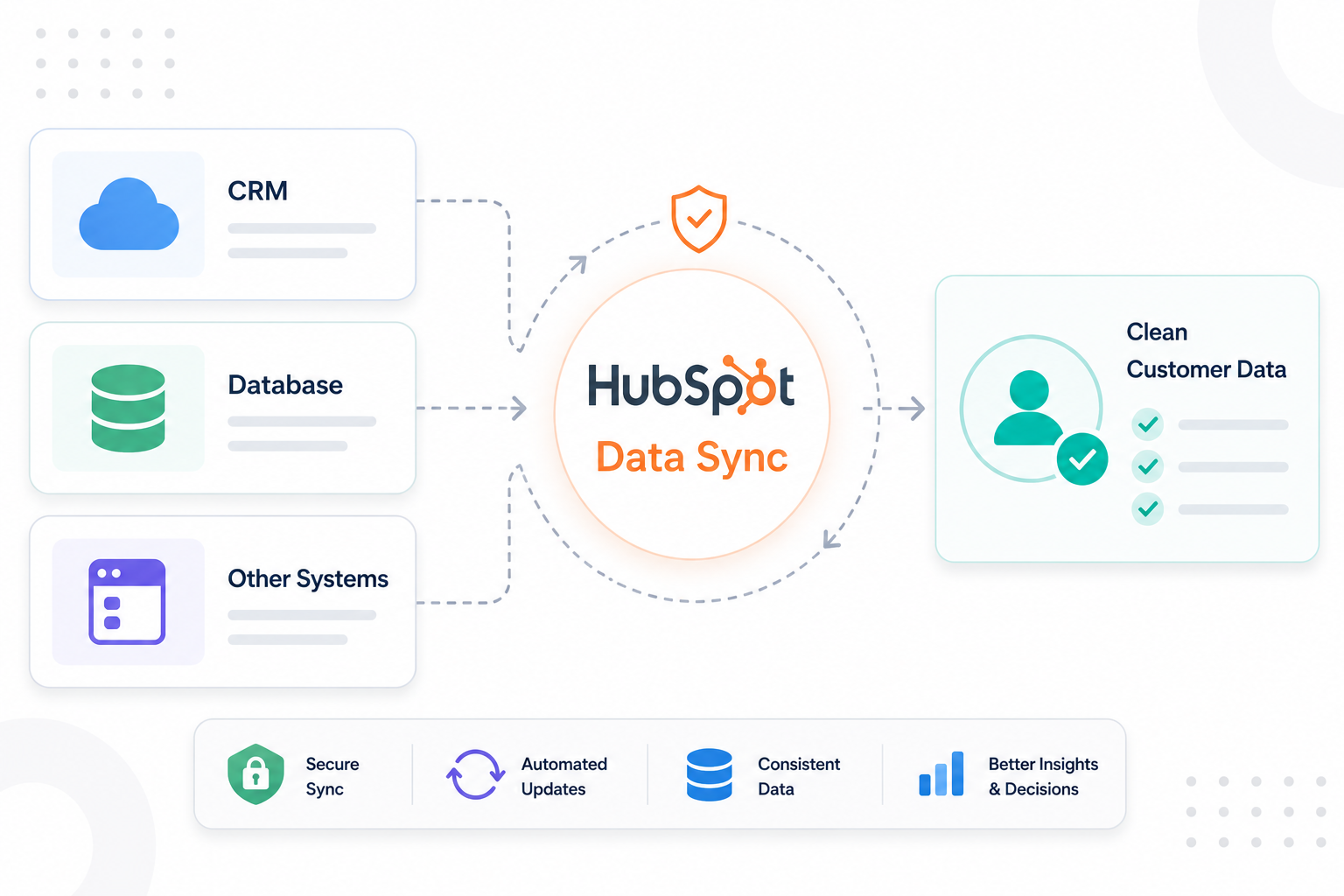
IT teams use HubSpot alongside platforms like Salesforce, NetSuite, Zendesk, ERP systems, support tools, and internal databases. As customer data...
A team of data-driven marketers obsessed with generating revenue for our clients.
Because the proof is in the pudding.
At Campaign Creators we live by three principles: Autonomy, Mastery, Purpose.
8 min read
Campaign Creators
:
06/18/26
HubSpot often serves as the central platform for managing customer data, marketing activities, sales processes, and business operations. As more teams rely on the platform, organizations need clear controls to manage access, protect data, and maintain consistency across the CRM.
Without proper governance, permission issues, workflow changes, integration errors, and inconsistent processes can create security risks and data quality problems. These challenges can affect reporting accuracy, operational efficiency, and the overall reliability of the platform.
This guide explains how IT teams can establish effective HubSpot governance through user permissions, sandbox testing, sync rules, and documentation practices that support security, accountability, and data quality across the organization.

HubSpot governance helps IT teams maintain control over how the platform is managed, secured, and scaled across the organization. It provides a framework for managing user access, system changes, integrations, data quality, and administrative responsibilities within HubSpot.
As organizations expand their use of HubSpot across marketing, sales, customer service, and operations teams, the platform often becomes a central system for customer data and business processes. Without clear governance, different teams may create conflicting processes, inconsistent data standards, or unauthorized changes that affect reporting and operational efficiency.
Governance establishes policies and accountability for permissions, configuration management, data ownership, and change control. These standards help ensure that HubSpot remains aligned with business objectives while reducing the risk of errors, security issues, and compliance concerns.
The business impact of governance extends beyond system administration. Research cited by MIT Sloan shows that organizations lose between 15% and 25% of revenue due to poor data quality. Effective governance helps address common causes of CRM data issues, including duplicate records, inconsistent data standards, and unclear ownership, leading to more reliable reporting and decision-making.
HubSpot supports governance efforts through features such as granular permissions, sandbox environments, deployment tools, and data quality monitoring. These capabilities help administrators test changes safely, control access to sensitive information, and maintain cleaner, more consistent data across the platform.
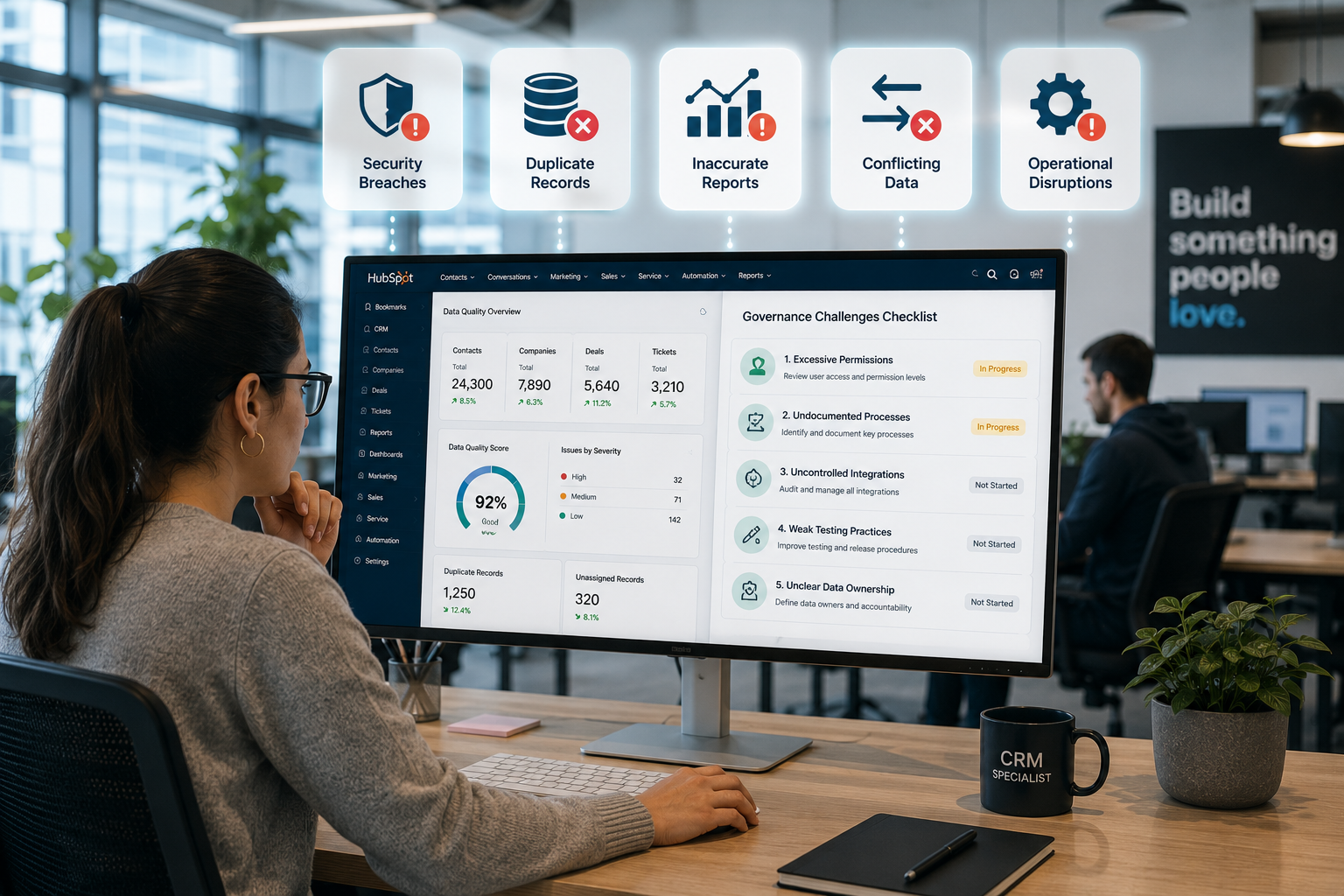
Without governance, organizations can encounter excessive permissions, duplicate records, conflicting configuration changes, and undocumented processes.
Access should follow the principle of least privilege, meaning users receive only the permissions required to perform their responsibilities. Not every employee needs access to account settings, user management, integrations, exports, or other administrative functions.
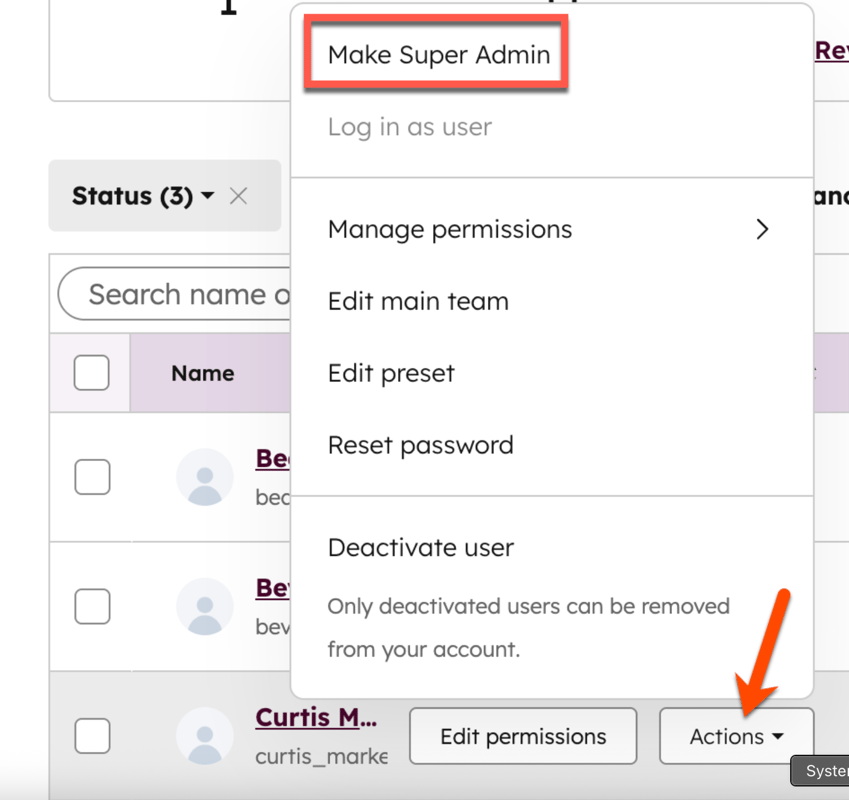
Only a small number of trusted administrators should have Super Admin access. This role provides unrestricted access to users, settings, data exports, integrations, and account configurations. Because Super Admins can make changes that affect the entire portal, limiting this permission helps reduce security and governance risks.
Common users who may require Super Admin access include:
Avoid assigning Super Admin access to department managers or users who simply need reporting visibility. Too many Super Admins can increase the risk of accidental configuration changes, unauthorized exports, and data governance issues.
As your HubSpot portal grows, organizing users into teams makes permission management easier and helps control record visibility. Teams can reflect your organizational structure, such as:
Teams help determine which records and assets users can access when permissions are configured at the team level. Users can belong to a primary team and additional teams depending on organizational needs.
For larger organizations, permission sets allow administrators to create standardized access levels for groups of users instead of configuring permissions individually. Permission sets improve consistency, simplify onboarding, and reduce permission management errors.
|
Role |
Recommended Access |
|
Sales Representative |
Contacts, companies, deals, tasks |
|
Marketing Specialist |
Marketing assets, campaigns, forms, emails |
|
Customer Success Manager |
Tickets, contacts, customer records |
|
CRM Administrator |
User management, workflows, integrations |
|
Executive Leadership |
Dashboards and reporting |
This approach ensures users receive access based on their responsibilities rather than their seniority or department title.
Record-level permissions determine which contacts, companies, deals, tickets, and custom objects a user can view or edit.
Common access levels include:
For example, a sales representative may only need access to their own deals, whereas a sales manager may require visibility across the entire sales team. Limiting record access helps reduce unnecessary exposure to customer data.
Permissions can also control which HubSpot tools users can access. Examples include:
Not every employee should have the ability to create workflows, modify integrations, manage users, or export large amounts of customer data. These permissions should generally be limited to administrators and designated power users.
User permissions should not be treated as a one-time setup. As teams grow and responsibilities change, access requirements also change.
Review permissions when:
Regular audits help identify over-permissioned users, remove unnecessary access, and maintain stronger governance across the platform.
To modify a user's permissions:

For organizations using permission sets, administrators can update the permission set once and automatically apply those changes to all assigned users.
Testing directly inside a live CRM environment creates unnecessary operational risk. A workflow error, property update, or integration issue can immediately affect customer records, reporting accuracy, and business processes.
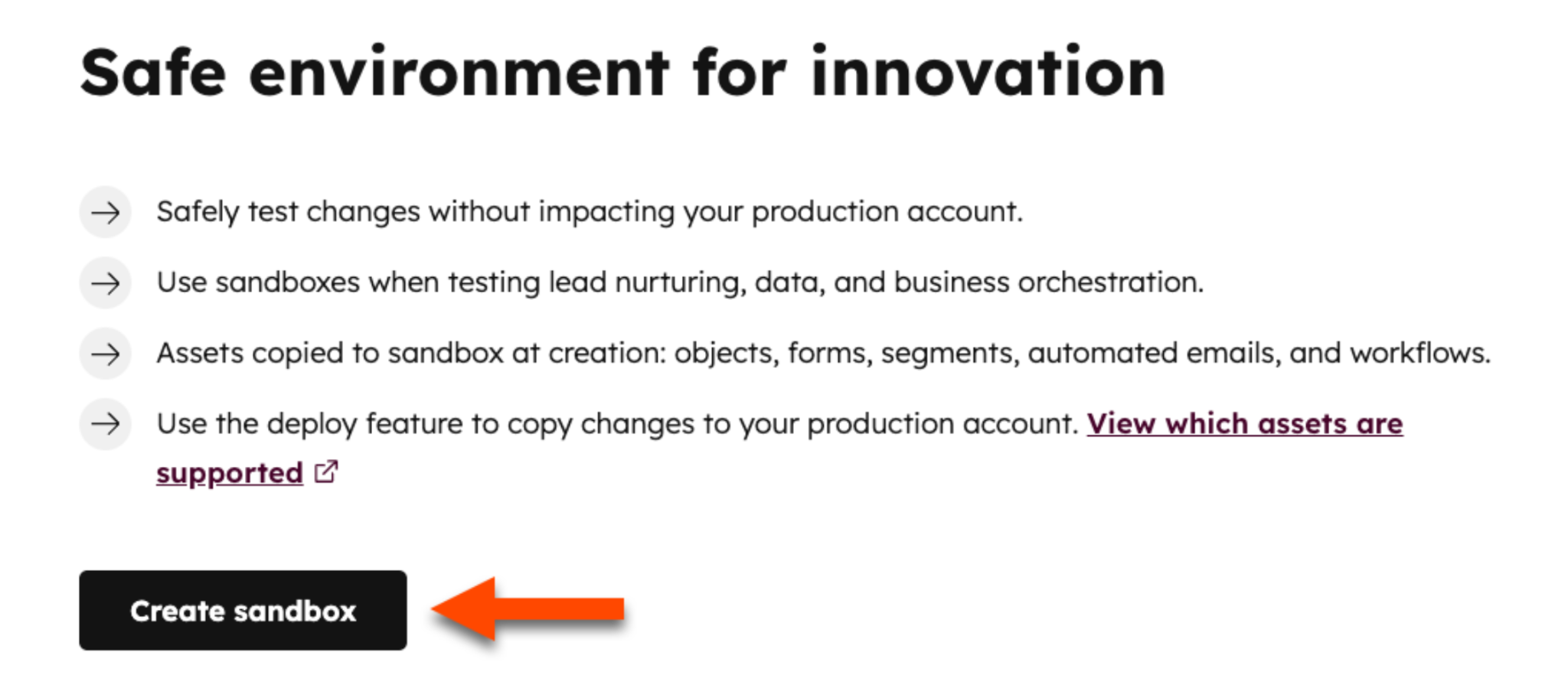
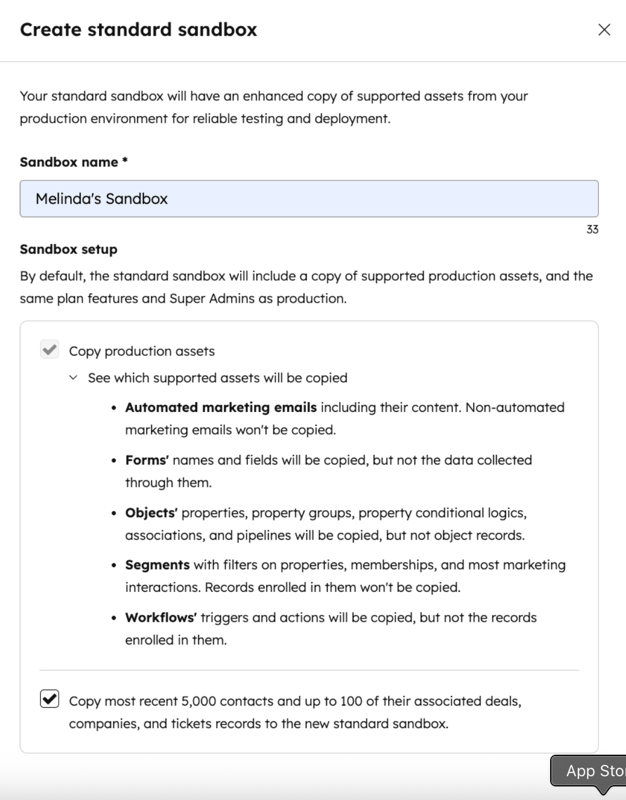
HubSpot sandboxes provide a controlled environment that mirrors many aspects of your production portal, allowing teams to test changes before deployment without affecting live operations.


Sandbox testing is particularly valuable for:
For example, teams often use sandboxes to verify workflow logic, confirm integration data flows correctly, test pipeline changes before rollout, and train users on new processes without affecting production records.
Some of the most important sync rules include:
When configured correctly, these rules help prevent duplicate records, inconsistent field values, synchronization conflicts, and reporting inaccuracies across connected platforms.
Without documentation, teams often struggle to understand why a workflow exists, which system owns a property, who approved an integration, or which administrator made a major configuration change.
Clear documentation preserves institutional knowledge and helps teams manage the CRM without relying on individual memory. An effective HubSpot documentation should answer specific operational questions, such as:
|
Question |
Documentation Example |
|
Who owns this workflow? |
Workflow owner and business purpose |
|
Why was this property created? |
Property definition and usage guidelines |
|
Which system controls this field? |
Data ownership and sync rules |
|
Who approved this integration? |
Approval records and implementation notes |
|
What changed in production? |
Change logs and deployment history |
If a workflow stops functioning correctly, administrators can identify the owner, review previous changes, and determine the intended business purpose. If reporting discrepancies appear, teams can review property definitions and data ownership rules before making corrections.
Documentation also helps standardize operations across teams. According to IDC research, employees spend 2.5 hours per day searching for information needed to perform their jobs, creating productivity challenges and increasing the likelihood of inconsistent execution. Having a centralized knowledge repository provides a single source of truth for CRM administration and operational procedures.
HubSpot governance and documentation typically cover user permissions, workflow inventories, integration architecture, property definitions, deployment procedures, approval records, and change histories. These records create transparency across the platform and make it easier to maintain security, data quality, and accountability across teams.

The most common governance challenges include excessive permissions, undocumented processes, uncontrolled integrations, weak testing practices, and unclear data ownership. These issues increase the likelihood of security incidents, inaccurate reporting, and operational disruptions across the CRM environment.
According to IBM's Cost of a Data Breach Report 2025, the average global cost of a data breach reached $4.4 million, the highest amount recorded in the report's history. Security weaknesses related to access management and administrative controls continue to contribute to organizational risk.
Gartner estimates that poor data quality costs organizations an average of $12.9 million per year through operational inefficiencies, reporting errors, and poor decision-making. In HubSpot environments, duplicate records, conflicting sync rules, inconsistent property usage, and unclear data ownership can gradually reduce confidence in customer data and business reporting.
Research from Experian's 2022 Global Data Management Report also found that many organizations continue to face challenges related to data accuracy, consistency, and trust. These issues affect analytics, customer experiences, and business operations, making governance a critical part of CRM management.
Data quality problems often stem from:
Addressing these challenges requires clear governance standards, defined ownership, documented procedures, and regular reviews that help maintain security, data quality, and operational consistency.
Start by establishing standards for:
Document these standards in a governance playbook that serves as the primary reference for administrators and business teams.
Most governance frameworks focus on five key areas:
A typical governance framework includes the following controls:
|
Governance Area |
Primary Objective |
|
Permissions |
Protect sensitive data and administrative functions through role-based access |
|
Change Management |
Reduce deployment risk through testing, approvals, and sandbox validation |
|
Data Standards |
Maintain consistent property structures, naming conventions, and data quality |
|
Integration Rules |
Ensure accurate and consistent data across connected systems |
|
Documentation |
Preserve institutional knowledge and support onboarding |
|
Reviews and Audits |
Identify compliance issues and governance gaps |
Governance standards are only effective when ownership is clearly defined. While IT often establishes governance policies, responsibility is typically shared across RevOps, marketing operations, CRM administrators, and business stakeholders. Each team should understand its role in managing data quality, system changes, and documented processes.
Role-based permissions, approval workflows, and change control procedures help prevent unauthorized changes, data inconsistencies, and operational disruptions.
Finally, there should be regular audits to review permissions, workflows, integrations, data quality, and documentation. These reviews help identify issues before they affect reporting, automation, security, or user adoption.
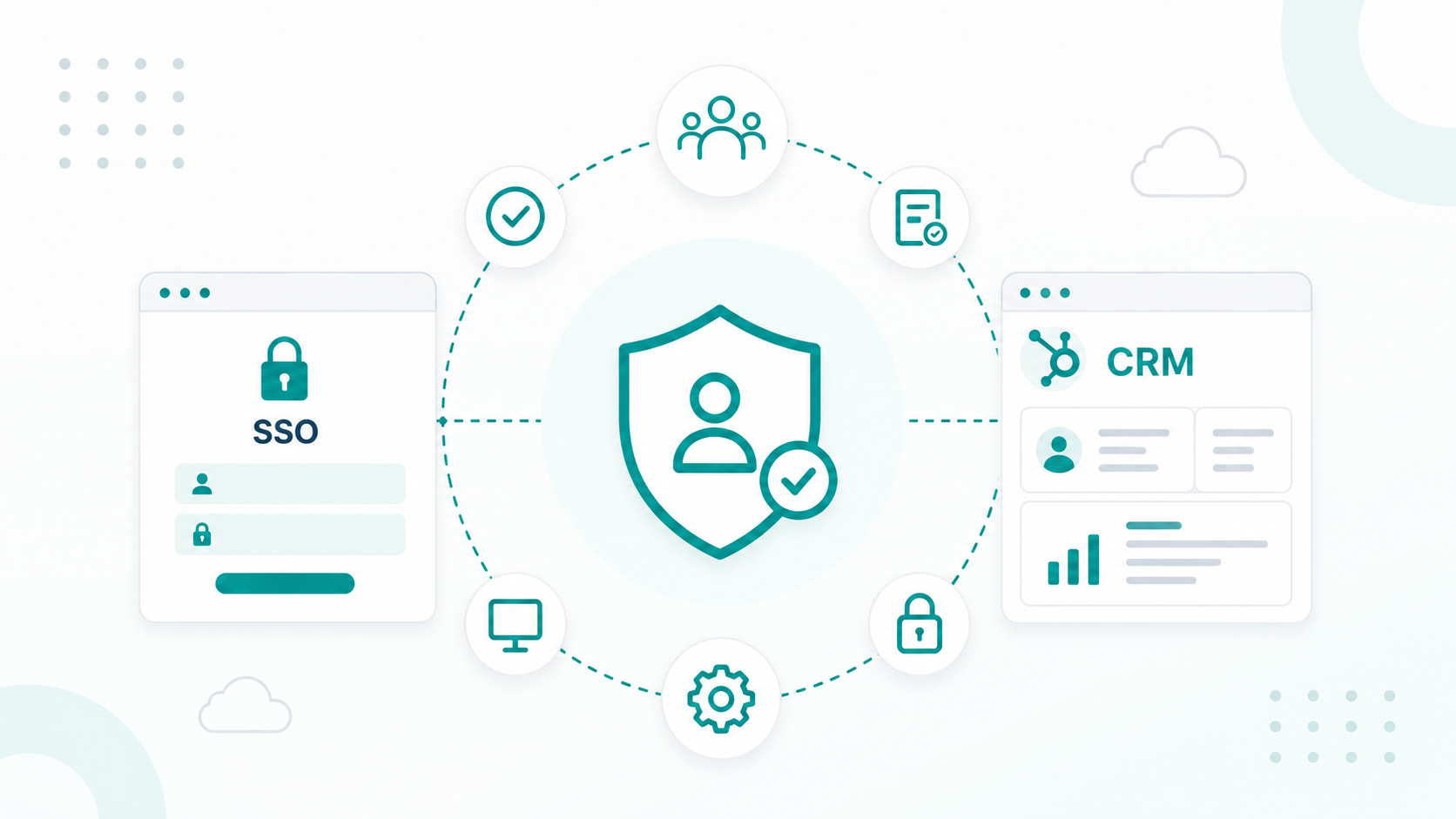
Continue reading with this article: HubSpot SSO and Governance Standards for Growing IT Teams
HubSpot governance helps IT teams maintain control over permissions, testing, data synchronization, and documentation. A structured approach reduces risk, supports data quality, and creates greater accountability across the platform.
If your organization needs a more reliable way to manage HubSpot, clear governance standards can help establish consistent processes, stronger security controls, and better visibility across teams.
Campaign Creators help organizations develop HubSpot governance standards, manage CRM operations, and support scalable platform administration through structured processes and expert guidance.
Yes. HubSpot provides permission history and account activity records that help administrators review access-related changes and support audits.
A sandbox is a separate testing environment used to validate changes before deployment. A production account contains live business data and active business processes.
Organizations can sync assets such as workflows, forms, lists, emails, object definitions, pipelines, themes, and templates.
Yes. HubSpot recommends connecting sandbox versions of integrations during testing to protect production data and workflows.
Organizations should update workflow documentation, data definitions, integration maps, ownership records, and governance policies after significant changes.
IT teams use HubSpot alongside platforms like Salesforce, NetSuite, Zendesk, ERP systems, support tools, and internal databases. As customer data...
HubSpot access rarely stays limited to one department. As CRM adoption expands across sales, marketing, RevOps, customer support, leadership teams,...
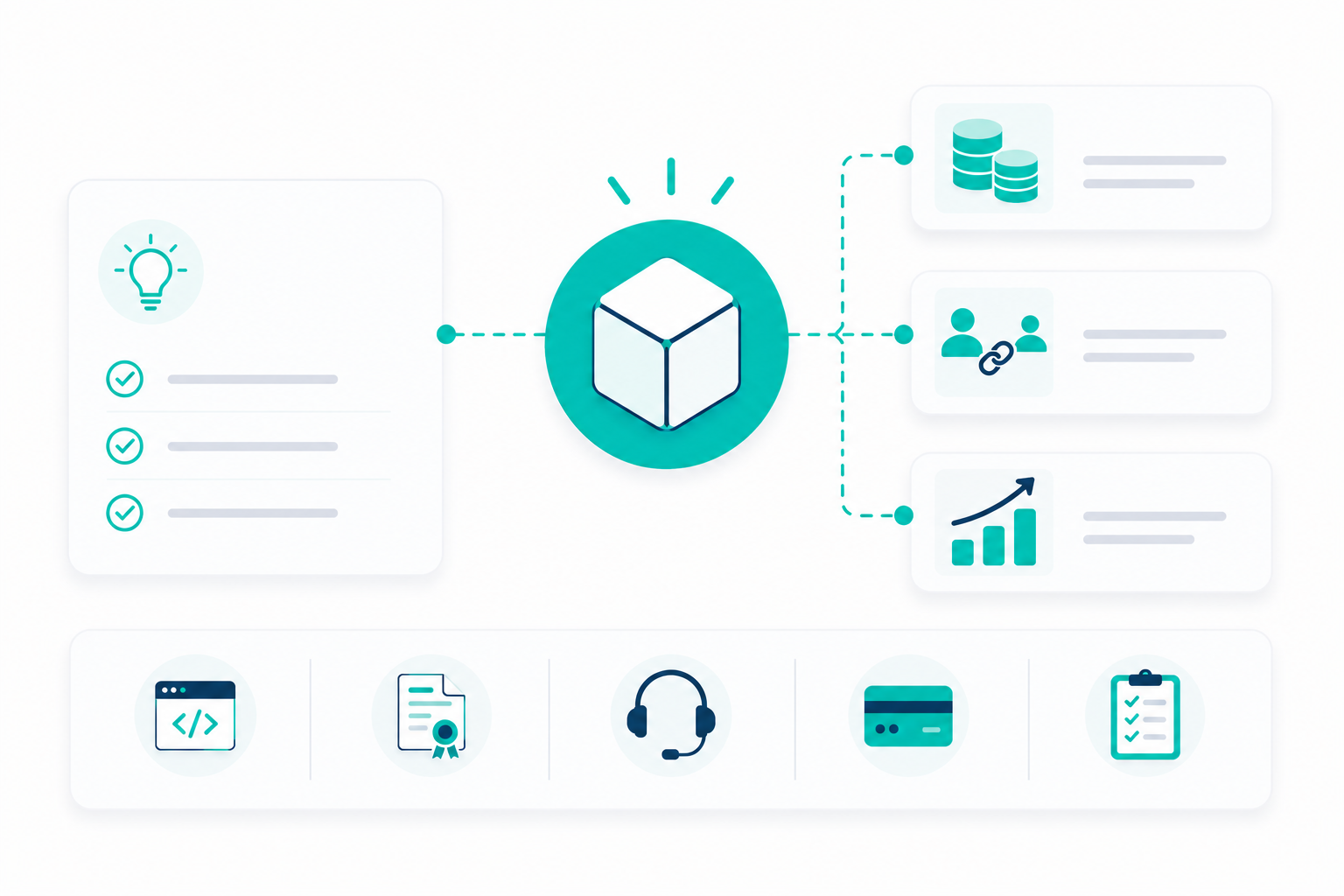
Technology companies can use HubSpot custom objects once standard CRM records can no longer support how the business operates. For SaaS companies,...