9 min read

Marketing Lead List: How to Clean and Optimize Your Database

Marketing Lead List: How to Clean and Optimize Your Database

A marketing lead list helps businesses identify and reach potential customers through targeted sales and marketing campaigns. In B2B marketing, these databases often contain contact details, company information, job roles, and other data used to personalize outreach and improve conversion rates.

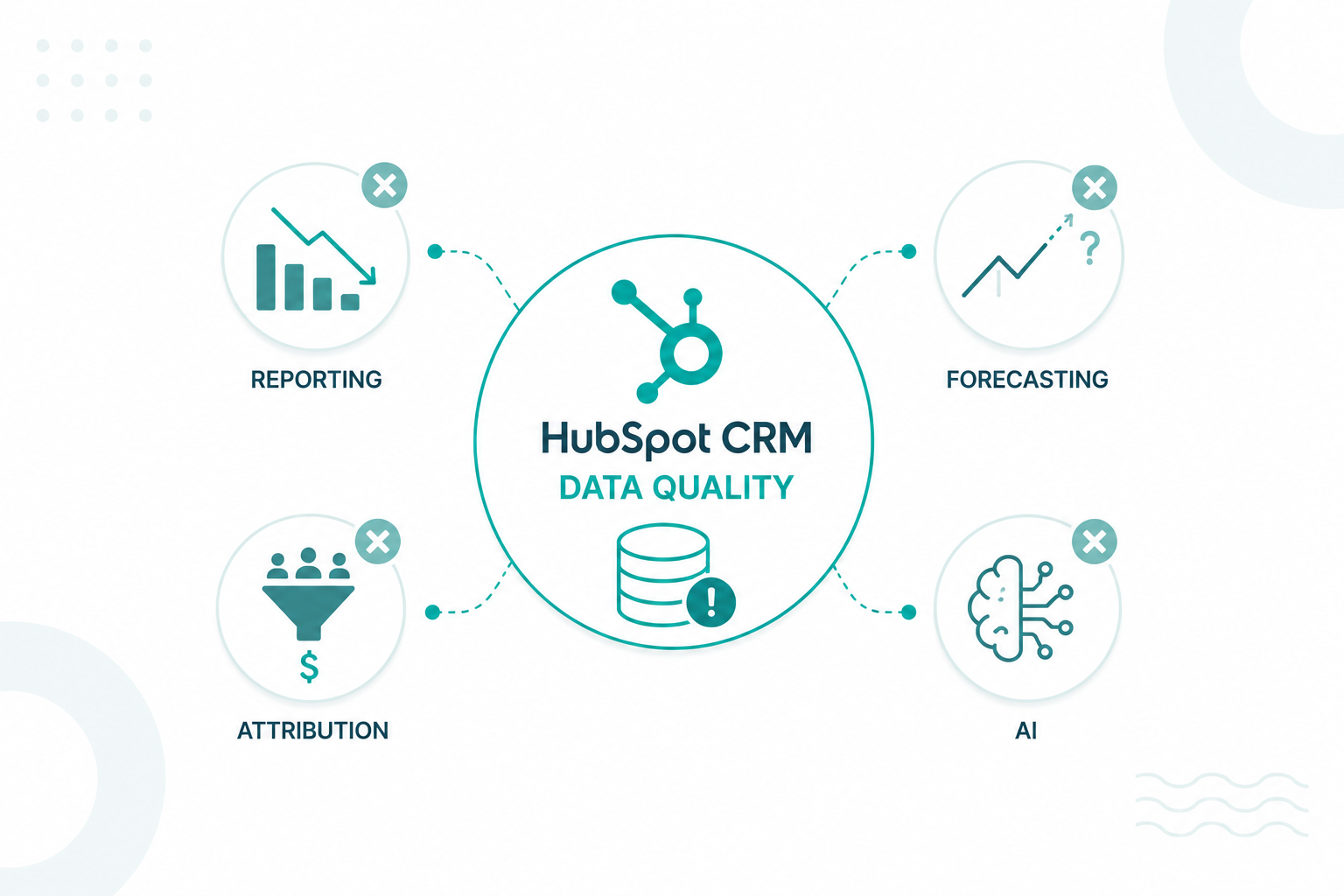
However, lead databases naturally decline in quality over time. Research shows that B2B data decays at an average rate of 22.5% per year, causing duplicate records, outdated contacts, and missing information that reduce campaign performance and waste sales resources.

This guide explains how businesses can clean, structure, and maintain their marketing lead databases to improve deliverability and support more accurate targeting across sales and marketing campaigns.

What Is a Marketing Lead List?

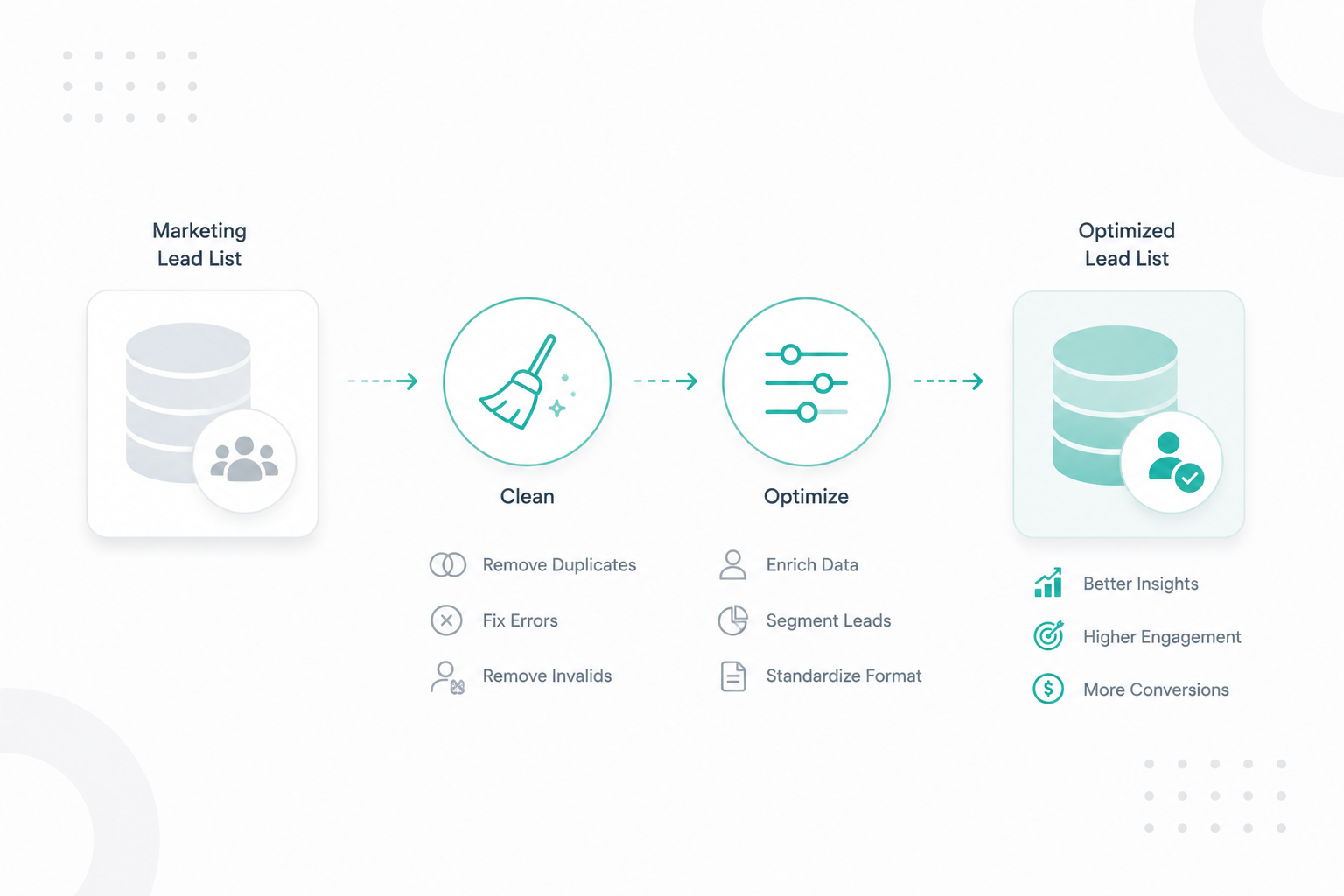
ChatGPT Image May 13, 2026, 03_36_56 AM

A marketing lead list is a curated database of individuals or organizations that have been identified as potential customers for a business’s products or services. These lists typically reside within a Customer Relationship Management (CRM) system and consist of records for contacts, leads, accounts, and opportunities.

Below is a comprehensive breakdown of what constitutes a marketing lead list:

  • Contact Information: Verified work emails and direct-dial phone numbers (including mobile numbers).
  • Professional Details: Job titles, seniority levels, and department affiliations.
  • Firmographic Data: Company name, size (employee count), annual revenue, and industry.
  • Technographic Insights: Information regarding the specific technology stack used by the target company.
  • Digital Footprints: LinkedIn profile URLs and social profiles to aid in personalised outreach.

A marketing lead list is also often described as the fuel tank for a company's lead generation engine. When accurate, it enables:

  • Higher Conversion Rates: By narrowing the audience to those most likely to respond, businesses see improved open rates and sales.
  • Efficient Resource Allocation: Teams can prioritize high-value customers with the greatest lifetime value (LTV).
  • Enhanced Personalization: Research indicates that 80% of consumers are more likely to purchase when offered personalized experiences, which requires deep data insights.

The quality of your marketing lead list directly affects how effectively your business can identify opportunities, personalize outreach, and generate consistent revenue growth.

3 Common Marketing Database Problems

1. Duplicate Records

Duplicate records occur when the same individual or company is entered into a database multiple times, often through different entry points such as manual imports, multiple form submissions, or a lack of deduplication rules during lead capture.

The Cause: They are frequently created when a contact uses slightly different email addresses or when data is synced across fragmented systems without centralized ownership.

The Impact: Duplicates cause significant operational confusion, leading to multiple sales reps contacting the same person or marketing teams sending redundant emails to a single prospect. This not only wastes resources but also comes across as unprofessional and can damage brand trust.

2. Incomplete or Missing Data

A database is often plagued by incomplete data records, where critical fields, such as job titles, phone numbers, company size, or industry, are left blank.

The Cause: This usually stems from optional form fields, manual entry errors, or legacy system limitations.

The Impact: Missing data significantly reduces a team's ability to perform precise segmentation and personalized lead nurturing. If a database lacks firmographic data (like company revenue or employee count), lead-to-account matching and territory routing become difficult or impossible. Incomplete records also cause potential customers to "fall through the cracks" because they do not meet the criteria for automated workflow triggers or lead scoring.

3. Data Decay (Outdated and Invalid Information)

B2B contact data is highly volatile, with HubSpot experts estimating that it decays at a rate of 22.5% annually. This means nearly a third of a database can become inaccurate within just 12 months.

The Cause: Decay is driven by natural professional changes, such as individuals changing jobs, companies rebranding, or businesses going out of existence.

The Impact: Working with stale data results in high email bounce rates, which can permanently damage a company's sender reputation with internet service providers. Beyond technical issues, outdated data causes sales representatives to waste their time chasing dead leads or calling disconnected phone numbers instead of selling.

Most of the B2B database records contain at least one of these critical quality problems at any given time. Addressing these issues requires continuous data hygiene programs that include automated deduplication, real-time validation, and regular enrichment.

Step-by-Step Marketing Lead List Cleaning Process

A high-quality marketing lead list requires a systematic approach to ensure data is accurate, complete, and actionable. The steps below can help your sales and marketing teams identify the right prospects, prioritize outreach, and improve overall campaign performance.

cleaning the marketing lead list inside HubSpot CRM platform. with pop-up stages display data validation, duplicate removal, record standardization, data enrichment, and verification with connected workflow arrows, analytics dashboards, and organized customer records in bright office, lively setting start-up vibes cool tone

1. Data Validation and Profiling

The first stage involves reviewing the source data to identify quality issues, incomplete records, and inconsistencies across the database. This establishes a clear understanding of how reliable the existing lead data is before making changes.

Teams typically assess the percentage of missing values, identify duplicate entries, and review inconsistencies across data types and formatting. Profiling also helps uncover outliers, such as invalid dates or unrealistic revenue figures, which often point to manual entry errors or syncing issues between systems.

This stage also establishes a baseline for measuring future improvements in data quality and lead accuracy.

2. Deduplication (Removing Duplicates)

Effective deduplication combines both exact-match and fuzzy-match algorithms. Exact matching identifies identical values, while fuzzy matching helps detect variations such as “Bob Smith” versus “Robert Smith” or “Acme Corp” versus “ACME Corporation.”

Once duplicates are identified, organizations typically apply survivorship logic to determine which record should remain. These survivorship rules usually prioritize the most recent, most complete, or most reliable record before merging unique data points and removing redundant entries.

3. Standardization and Formatting

Standardization helps ensure that lead data remains consistent across the entire database. It often includes normalization, where information is converted into a unified format. Examples include formatting phone numbers into E.164 standards, converting addresses into USPS-compliant formats, and standardizing dates into a YYYY-MM-DD structure.

Text cleaning is another important part of standardization. Teams typically remove extra whitespace, correct typographical errors, and fix inconsistent capitalization, such as converting “SINGAPORE” and “singapore” into “Singapore.” These adjustments improve database usability and prevent fragmented reporting.

4. Handling Missing Data and Enrichment

Incomplete lead records can reduce the effectiveness of lead scoring, segmentation, and personalized outreach. Missing fields such as job title, company size, industry, or contact information often limit how accurately teams can qualify and nurture prospects.

Data enrichment helps fill these gaps using external data providers and enrichment platforms. This process can add firmographic, technographic, demographic, and professional details that improve targeting accuracy and provide better context for sales and marketing teams.

For records that still contain incomplete information after enrichment, organizations typically apply imputation and flagging processes. Depending on the importance of the missing fields, teams may delete unusable records, estimate values using statistical methods, or flag records for manual review and correction by data stewards.

5. Verification and Continuous Monitoring

After the cleaning process is complete, the final stage focuses on verification and long-term database maintenance.

Final quality assurance (QA) checks help confirm that records now meet established business rules. This may include validating that ZIP codes align with state codes, ensuring mandatory fields are completed, and verifying that formatting standards have been applied consistently across the dataset.

To reduce future issues, organizations often implement automated validation rules, real-time entry checks, and ongoing governance policies that prevent inaccurate information from entering the system.

Many teams also use KPI tracking and scorecards to monitor database health over time. Common metrics include duplicate rates, email bounce rates, field completeness, enrichment coverage, and overall data accuracy.

For a more in-depth guide to the data cleaning process for Enterprise RevOps, check out this article.


The Impact of Database Cleaning on Segmentation and Email Deliverability

Database cleaning improves email deliverability and audience segmentation by keeping contact data accurate and up to date. Clean contact lists support stronger inbox placement, healthier sender reputation, and more consistent campaign performance. Lists with data hygiene can achieve high inbox placement rates, helping more emails reach the right audience.

Database cleanup also strengthens segmentation. Updated job titles, firmographic details, industry classifications, and contact records allow marketing and sales teams to build more precise audience groups and deliver messaging that feels more relevant to each prospect. According to HubSpot, segmented emails can generate 30% more opens and 50% more click-throughs than unsegmented campaigns.

The operational impact is equally valuable. Sales teams can spend more time engaging qualified prospects and less time reviewing records or updating contact information. Businesses that regularly clean and enrich their databases often see improvements in campaign engagement, lead quality, and overall marketing efficiency.

Recommended Structure for a High-Quality Lead Database

The best structure for a database involves a clear hierarchy of records, a standardized set of core data fields, and an integrated data hygiene framework.

1. Core Record Architecture

For B2B organizations, the database should be structured around four primary objects to ensure full visibility of the customer journey:

  • Leads: Temporary records for new prospects that have not yet been qualified.
  • Contacts: Individual professional records representing qualified persons.
  • Accounts: Parent company records that group multiple contacts together. A high-quality structure uses Lead-to-Account (L2A) matching to automatically link new leads to existing company accounts, preventing redundant outreach and improving multi-thread deal visibility.
  • Opportunities/Deals: Records tracking specific sales transactions, which should be linked to both contacts and accounts to preserve the historical interaction context.

2. The "Golden Record" Field Set

A high-quality database should maintain a “Golden Record” for every contact, which serves as a single, verified, and enriched source of truth across the organization. This typically includes verified contact information such as accurate work emails that have been validated through syntax, DNS, and SMTP checks, along with direct-dial phone numbers that include mobile and landline verification.

The record should also contain standardized professional identity data, including job titles, seniority levels, and department classifications, to support accurate segmentation and lead routing. Firmographic information is equally important and usually includes the legal company name, normalized industry classification, employee count, and annual revenue.

Many organizations also enrich records with technographic insights that show the prospect’s existing technology stack, helping sales and marketing teams personalize B2B outreach more effectively. In addition, digital footprint data such as LinkedIn profile URLs and recorded opt-in or consent status support both prospect research and privacy compliance efforts.

3. Integrated Segmentation Framework

To maximize engagement, the database structure must support multi-dimensional segmentation. Data points should be categorized into four types:

  • Demographic: Age, gender, and professional role.
  • Geographic: Location and region, normalized to standard codes (e.g., ISO state/country codes).
  • Behavioral: Tracking engagement velocity, such as website interactions, past purchase history, and content consumption.
  • Psychographic: Capturing lifestyle, values, and attitudes to assist in emotional brand connection.

4. Data Hygiene and Governance Layer

A high-quality structure is maintained through a "prevent–detect–correct" loop that runs continuously:

  • Inbound Controls: Use of validation rules, picklists, and required fields at the point of entry (forms or APIs) to prevent dirty data from entering the system.
  • Normalization Rules: Automated workflows that standardize inconsistent data, such as converting varying country spellings (e.g., "DE" or "Germany") into a single unified format.
  • Survivorship Logic: Defined rules for merging duplicate records that determine which record "wins" (e.g., the most recent or most complete record) while merging unique data from the redundant entry.
  • Continuous Monitoring: A data quality scorecard that tracks KPIs like duplicate percentage, completeness, and email bounce rates to alert stewards of degradation.

You may customize this structure to match your internal workflows, enrichment processes, and reporting priorities to maintain a cleaner and more scalable lead database.

How Often You Should Clean Your Marketing Database

The specific cadence for deeper cleaning activities should be tailored to your database size and sending frequency.

  • High-volume senders (over 100,000 emails per month) should perform comprehensive list cleaning monthly.
  • Moderate-volume teams (10,000 to 100,000 records) typically find a quarterly schedule sufficient.
  • Smaller lists (under 10,000 records) can be maintained with bi-annual cleaning, provided they have a highly engaged niche audience and low bounce rates.

Regardless of your set schedule, you must increase cleaning frequency if your bounce rate exceeds 1.5% to 2% or if your open rates drop below a 15% threshold.

For maximum efficiency, your maintenance should be divided into daily, monthly, and quarterly tasks. Daily operations should focus on real-time inbound validation at the point of entry. Monthly tasks should include running deduplication and auditing critical segments, while quarterly audits should involve strategic enrichment and vendor hit-rate reviews.

Best Automation Tools That Help Maintain Data Quality

Some of the most widely used automation tools for maintaining CRM and lead database quality include:

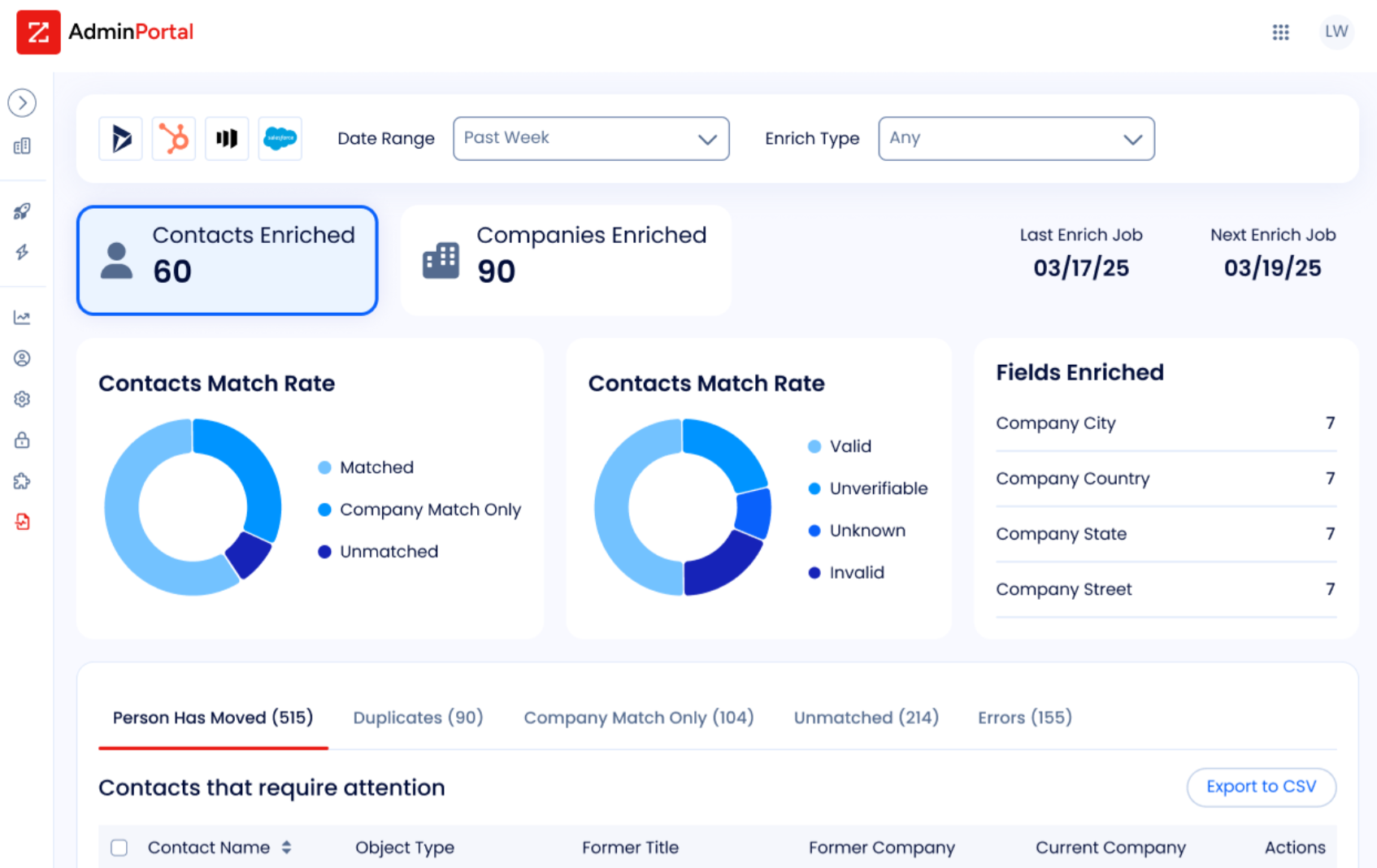
ZoomInfo

zoom-info-crm-automation

ZoomInfo is widely used for large-scale B2B database enrichment and ongoing CRM maintenance. It continuously refreshes records with updated business information such as job changes, company growth, industry changes, and verified contact details.

Key data quality features include:

  • Automated CRM enrichment with verified business data
  • Email and phone verification to reduce bounce rates
  • Deduplication and field standardisation tools
  • Continuous updating of job titles and company information
  • Technographic and intent-data enrichment
  • CRM syncing with HubSpot and Salesforce

ZoomInfo works well for companies managing large outbound sales databases where contact data changes frequently.

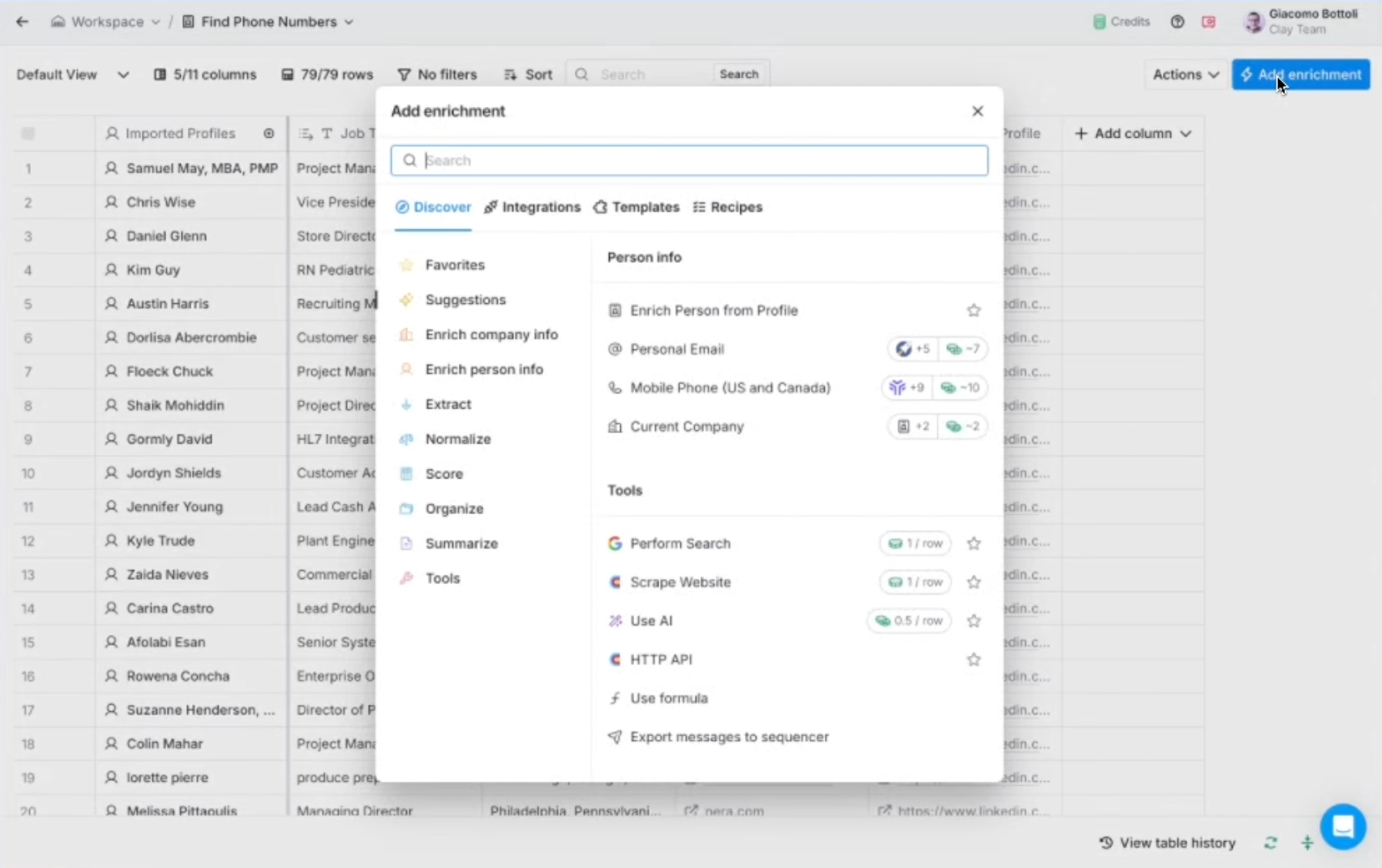
Clay

clay-workspace-sample-adding-enrichment

Clay focuses heavily on workflow automation and multi-source enrichment. It helps teams connect several enrichment providers together and automate how CRM records are updated, validated, and refreshed over time.

Key data quality features include:

  • Automated enrichment from multiple data providers
  • Custom workflows for updating stale CRM records
  • Lead validation and contact verification
  • AI-powered data research and enrichment
  • Real-time syncing and refresh automation
  • Flexible field mapping and record standardisation

Clay is often used by growth and RevOps teams that need highly customized enrichment workflows and more control over how data is maintained across multiple systems.

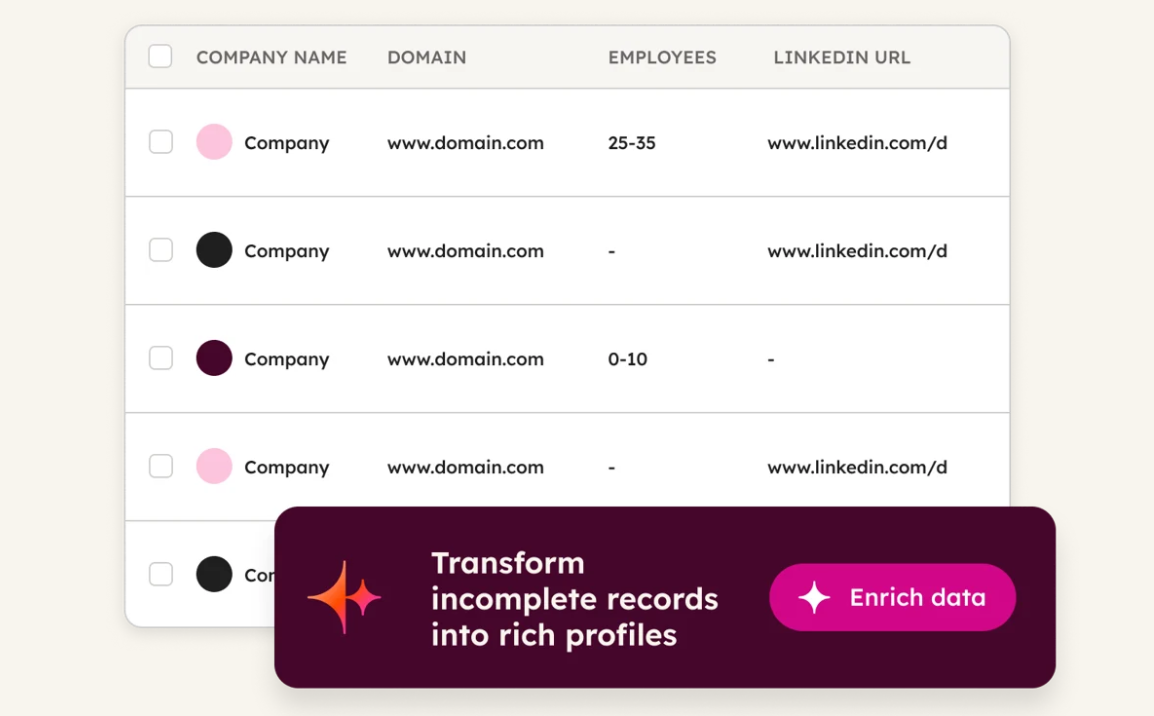
HubSpot

hubspot-using-ai-to-transform-incomeplete-records-into-rich-profiles

HubSpot is one of the strongest platforms for maintaining CRM and lead database quality because many of its data hygiene tools are built directly into the CRM. Its AI-powered data quality center can automatically detect duplicate contacts, formatting inconsistencies, and incomplete records before they affect campaigns or reporting.

Key data quality features include:

  • Automated duplicate detection and record merging
  • Property validation rules to standardise data entry
  • Workflow automation for cleaning and updating records
  • AI-powered enrichment that fills missing company and contact details
  • Data formatting standardisation for phone numbers, names, and fields
  • Real-time syncing across marketing, sales, and service teams

HubSpot is especially useful for businesses that want data quality management built directly into their CRM rather than relying heavily on external cleanup tools.

Take the Next Step Toward a Cleaner Database

If your database is not cleaned and maintained regularly, outdated or inconsistent data can gradually weaken targeting and make sales and marketing efforts harder to scale effectively.

To keep database quality more consistent over time, it may help to use platforms like HubSpot, which can automate parts of the data cleaning, standardization, and CRM management process. As contact lists grow, working with experienced CRM and data specialists can also help reduce inconsistencies, improve lead management workflows, and support more reliable reporting and segmentation.

At Campaign Creators, businesses can get support optimizing HubSpot databases through workflow automation, ongoing data cleanup, and CRM process improvements designed to support long-term marketing performance.

Frequently Asked Questions

Should businesses delete inactive leads from their CRM?

Not all inactive leads should be deleted immediately. Businesses often benefit more from segmenting inactive contacts, attempting re-engagement campaigns, and only removing leads that remain unresponsive, invalid, or no longer fit their target audience.

What is considered a healthy duplicate rate in a CRM database?

Many businesses try to keep duplicate records as low as possible, often targeting less than 3% of the total database. However, the ideal duplicate rate can vary depending on the size of the database, how frequently new contacts are added, and the systems used to manage data quality.

How does CRM data quality affect lead scoring?

Lead scoring depends on accurate firmographic, behavioural, and engagement data to prioritise prospects correctly. Poor-quality data can cause high-value leads to receive low scores or push unqualified contacts into sales pipelines.

How do invalid email addresses impact marketing campaigns?

Invalid email addresses increase bounce rates, reduce deliverability, and can damage sender reputation with email providers. Over time, this can cause legitimate marketing emails to land in spam folders instead of inboxes.

How does poor data quality affect marketing automation workflows?

Poor data quality can trigger incorrect workflows, send irrelevant emails, and break segmentation logic inside automation systems. This often leads to lower engagement rates and less accurate reporting across marketing campaigns.

How HubSpot Lifecycle Stages Guide Lead Nurturing

How HubSpot Lifecycle Stages Guide Lead Nurturing

HubSpot lifecycle stages track a contact's progression from early engagement to becoming a customer. Marketing, sales, and customer success teams...

Read More
7 Signs You Need Help with Lead Nurturing

7 Signs You Need Help with Lead Nurturing

Lead nurturing, when executed efficiently and thoughtfully, is the difference between generating awareness and leads and generating actual customers....

Read More
Marketing Automation Workflow: How to Fix Data, Lifecycle, and Attribution Gaps

Marketing Automation Workflow: How to Fix Data, Lifecycle, and Attribution Gaps

Marketing teams are expected to generate a pipeline faster and prove revenue impact. At the same time, many teams still rely on manual processes that...

Read More