





9 min read

10 Best Lead Generation Strategies for Real Estate

10 Best Lead Generation Strategies for Real Estate

Most buyers and sellers search online long before contacting a real estate business. They compare companies through Google reviews, social media content, websites, and local search results, then expect fast communication across every platform.

Search engines, social media, short-form video, and AI-powered tools now shape how real estate businesses attract and convert leads. As competition increases across local markets, relying on a single lead source is becoming less effective.

The real estate businesses generating consistent leads today typically use multiple channels working together. Their systems often combine local SEO, Google Business Profile optimization, paid advertising, referral marketing, email automation, video content, and CRM follow-up into one connected strategy.

Key Takeaways

  • Real estate lead generation in 2026 centers around local SEO, short-form video, Google visibility, and AI-powered follow-up systems.
  • People discover real estate businesses through Instagram Reels, TikTok, YouTube Shorts, Google Maps, and neighborhood-focused search content.
  • High-converting lead generation systems combine websites, paid ads, referrals, CRM automation, social proof, and consistent follow-up into one strategy.
  • AI-friendly content formatting with direct answers, question-based headings, and short content sections improves visibility across modern search experiences.

Why Real Estate Lead Generation Looks Different in 2026

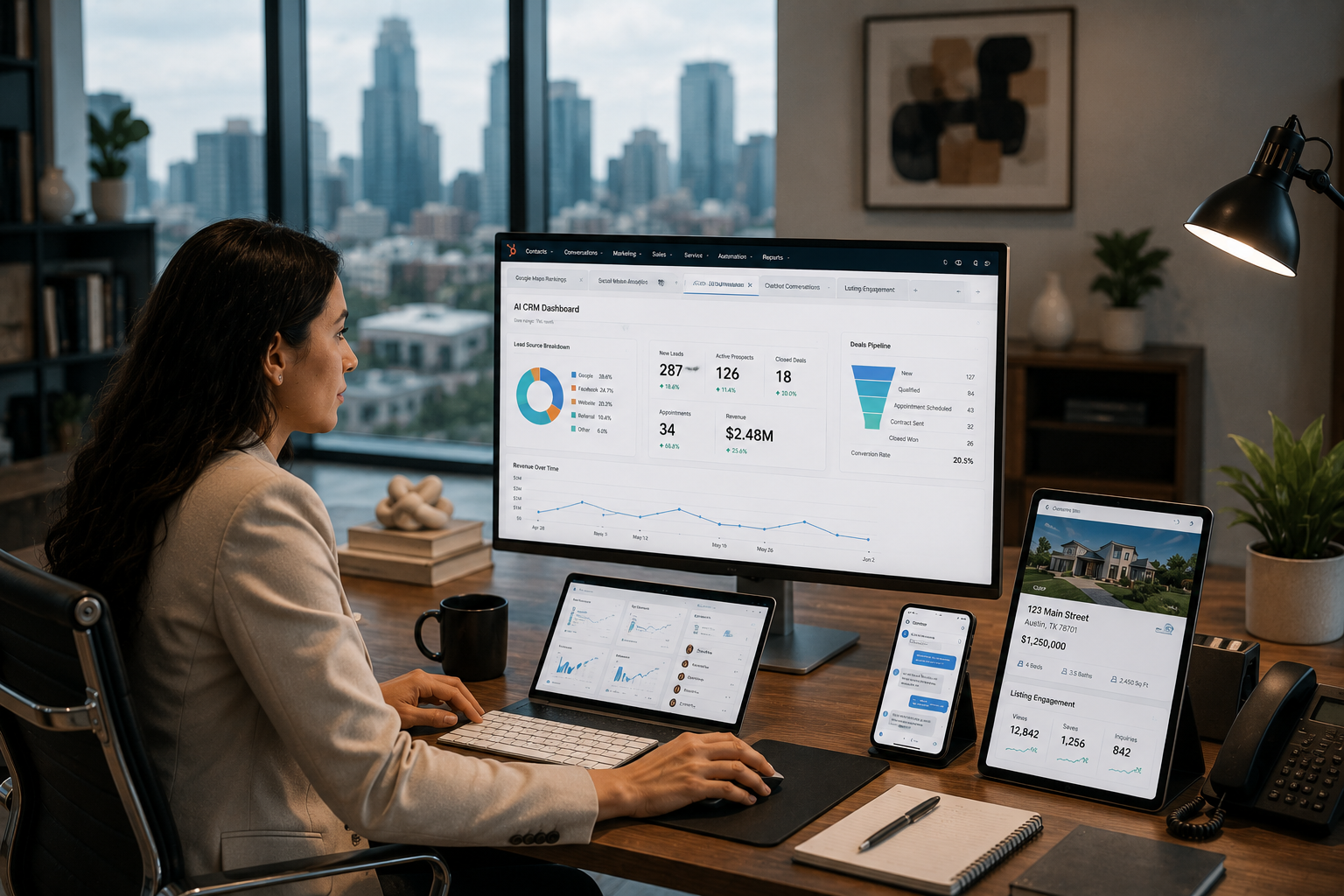
modern real estate marketing workspace showing multiple digital lead generation channels working together, including a realtor reviewing Google Maps rankings, social media video analytics, AI-powered CRM dashboards, chatbot conversations, and property listing engagement metrics on large screens, with a clean professional office environment and subtle city skyline background, realistic style.

Real estate lead generation today revolves around how effectively businesses build visibility across search, social media, video platforms, and local discovery channels. Buyers and sellers now research properties, neighborhoods, reviews, and market trends across multiple platforms before submitting an inquiry.

Video content now plays a much larger role in buyer engagement and lead generation. According to real estate marketing statistics, video listing content generates 403% more inquiries, while some industry reporting from shows that 82% of real estate businesses market through social media and 63% actively use video content in their strategy.

AI-powered systems also continue to reshape how real estate businesses capture and nurture leads. Chatbots, CRM automation, predictive lead scoring, and AI-powered personalization help businesses respond faster, organize inquiries more efficiently, and improve lead qualification workflows.

Local SEO and Google Maps visibility remain highly influential because many property searches begin with local intent. Searchlab reports that Google Business Profile drives 33% of all local clicks in real estate, which highlights how strongly map visibility and local search rankings influence lead generation.

If these lead generation tactics are not currently part of your business strategy, there is a strong chance competitors in your market are already building an advantage. Businesses adapting to these changes now are positioned for stronger lead pipelines, better brand recognition, and more sustainable long-term growth.

1. Build a Real Estate Website That Converts Visitors Into Leads

A real estate website should immediately communicate your market expertise, active listings, local knowledge, and contact opportunities within the first few seconds of a visit. Your website often becomes the first interaction potential clients have with your business.

High-converting real estate websites typically include:

  • Mobile-friendly design
  • Fast page speed
  • IDX property search tools
  • Neighborhood pages
  • Lead capture forms
  • Home valuation tools
  • Testimonials
  • Clear calls to action

Buyers and sellers often compare multiple real estate websites before reaching out. A site with poor navigation, outdated listings, or weak local information can reduce trust quickly.

2. Use Local SEO to Rank for Buyer and Seller Searches

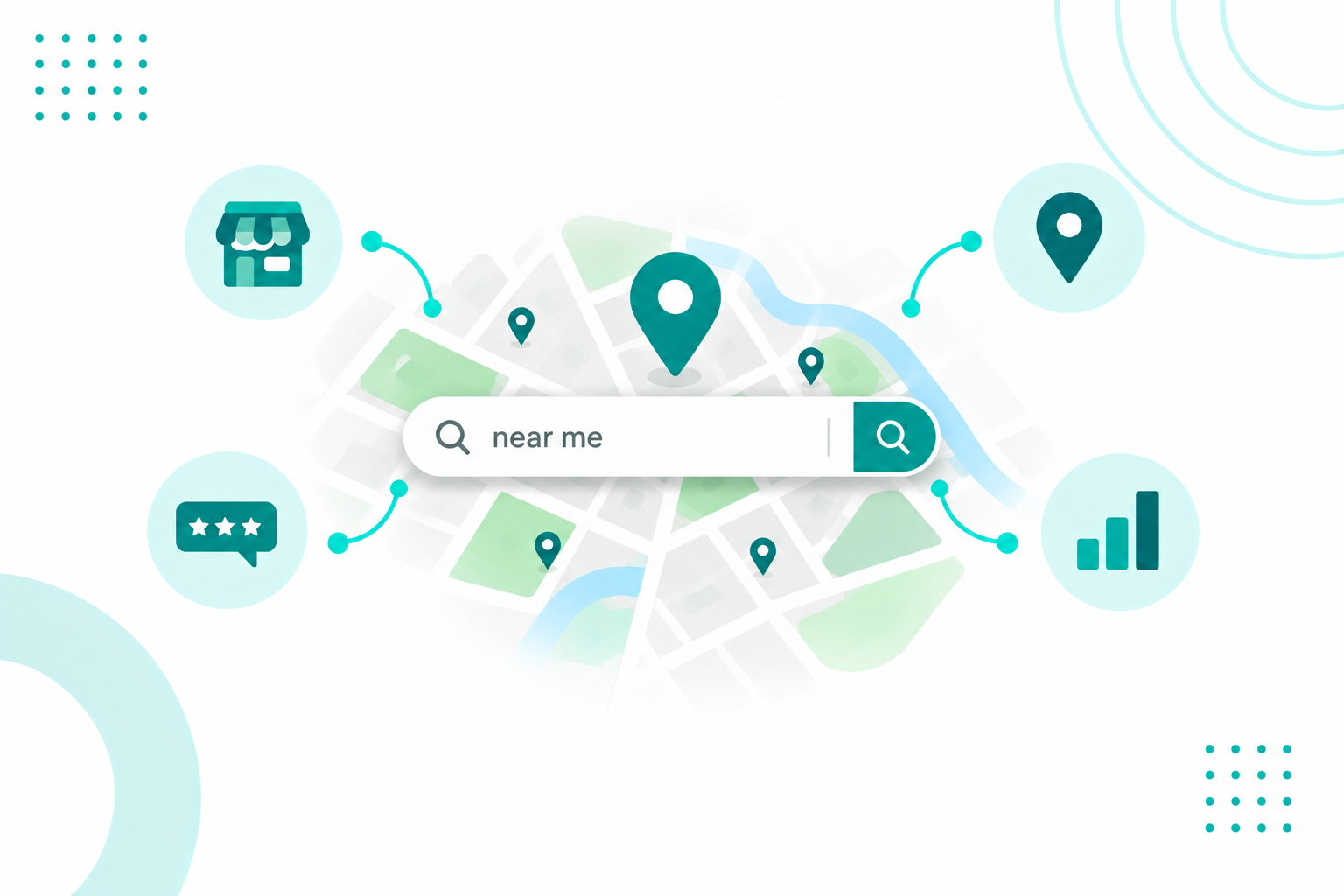
a modern city map interface highlighting multiple neighborhoods with glowing real estate search markers, school icons, commute routes, local amenities, and Google Maps-style property discovery elements, showing hyperlocal real estate SEO and neighborhood search visibility, realistic digital map style.

Local Search Engine Optimization helps your business appear when people search phrases such as “real estate company near me,” “homes for sale in [city],” or “best neighborhoods in [location].”

Real estate SEO prioritizes:

  • Hyperlocal keywords
  • Neighborhood guides
  • Google Maps visibility
  • Mobile optimization
  • AI-search-friendly content
  • Internal linking
  • Structured content formatting

Neighborhood content performs particularly well because buyers search location-specific information months before contacting a real estate business. Content around schools, walkability, market trends, restaurants, commute routes, and lifestyle topics attracts highly relevant traffic.

Question-based headings also improve AI search visibility because modern search behavior has become conversational. Clear answers directly below headings improve extractability and citation potential for AI-driven search systems.

The structure of your content also matters for AI search visibility. Answer-first formatting, concise paragraphs, lists, and question-based headings improve readability for both users and AI systems.

3. Optimize Your Google Business Profile for Local Visibility

Your Google Business Profile plays a major role in local lead generation because Google Maps results appear prominently for real estate searches. For many local searches, your Google Business Profile appears before your website. An optimized profile should include:

  • Updated contact information
  • Service areas
  • High-quality office and listing photos
  • Regular posts
  • Client reviews
  • Business categories
  • FAQs
  • Accurate business hours

Google Business Profile reportedly drives a significant share of local search clicks today, especially for location-based searches related to real estate services.

Reviews also influence lead generation strongly. Many sellers evaluate a company’s reputation before making contact. Profiles with consistent reviews, recent activity, and complete information tend to generate stronger visibility and higher trust signals.

4. Run Google Ads for High-Intent Buyer and Seller Leads

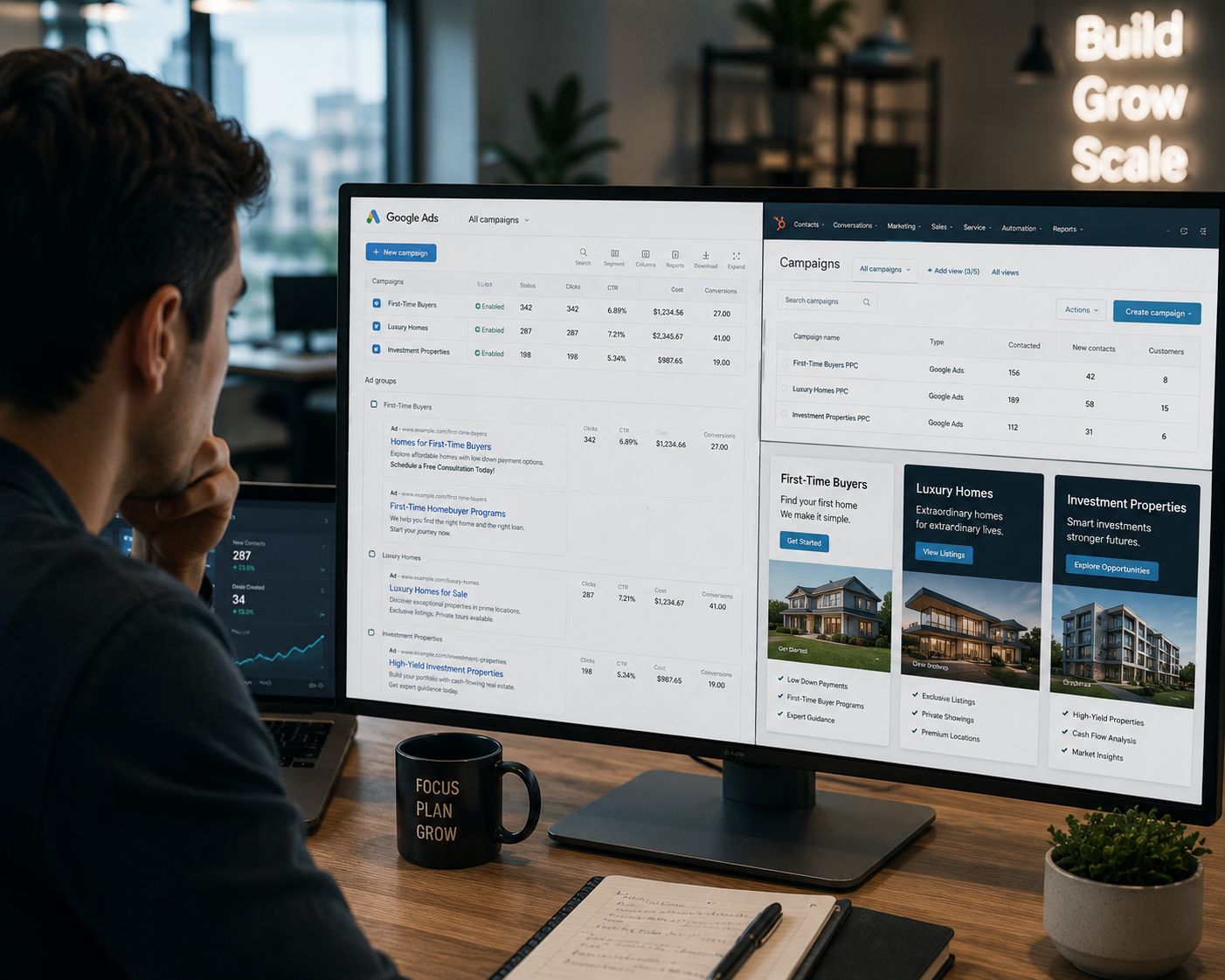
Create a close-up of a real estate PPC advertising interface displaying active Google search ads and property-focused landing pages connected to campaigns for first-time buyers, luxury homes, and investment properties, modern clean UI design.

Google Ads targets users actively searching for real estate services, which makes it one of the highest-intent lead generation channels. Campaigns often perform well for searches related to:

  • Homes for sale
  • Listing services
  • Home valuations
  • Relocation services
  • First-time homebuyers
  • Luxury properties
  • Investment properties

Local targeting improves lead quality because campaigns focus on specific ZIP codes, cities, neighborhoods, and buyer segments.

Landing page quality also affects performance significantly. Ads connected to dedicated pages with property information, valuation offers, or neighborhood guides generally convert better than generic homepage traffic.

5. Use Facebook and Instagram Ads to Capture Local Prospects

Facebook and Instagram continue producing strong real estate lead opportunities because of detailed audience targeting and local reach capabilities. Social platforms also create multiple touchpoints before a lead submits an inquiry.

Real estate businesses commonly use these platforms for:

  • Listing promotions
  • Community campaigns
  • Retargeting visitors
  • Home valuation offers
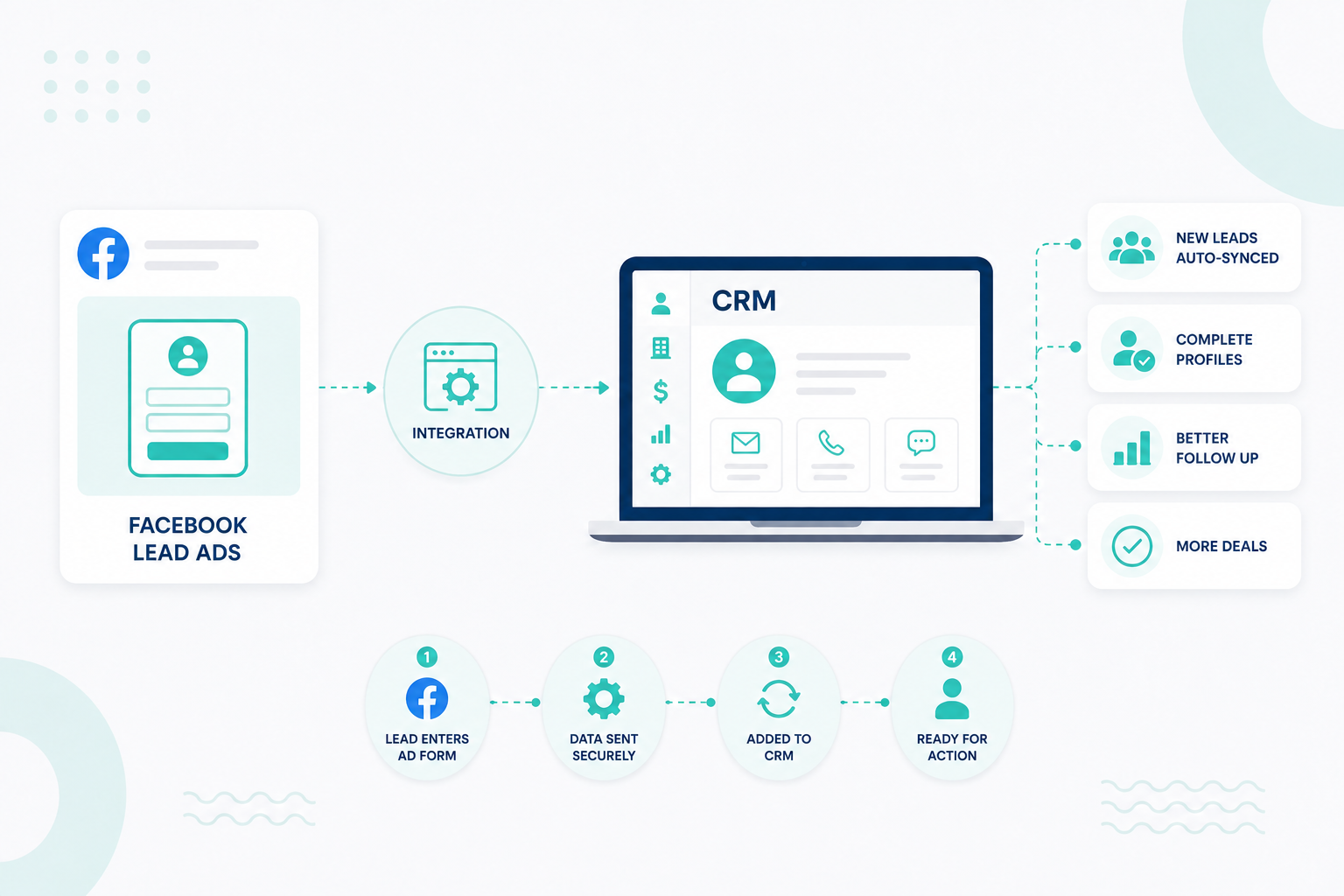
  • Lead forms
  • Neighborhood videos
  • Market updates

Facebook remains particularly effective for reaching homebuyers between ages 30 and 55, while Instagram performs strongly for visual content and local branding.

Video ads, carousel posts, and local market insights often generate stronger engagement because users interact more with educational and community-focused content than direct sales messaging.

Retargeting campaigns also help real estate businesses reconnect with website visitors who viewed listings or valuation pages but did not submit inquiries during their first visit.

6. Post Short-Form Video Content on Instagram, TikTok, and YouTube

Short-form video has become one of the strongest organic lead generation channels for real estate businesses. Video content helps potential clients become familiar with your brand before direct conversations begin.

Popular video formats include:

  • Property tours
  • Neighborhood walkthroughs
  • Market updates
  • Buyer tips
  • Seller insights
  • Behind-the-scenes content
  • Day-in-the-life videos

Platforms such as TikTok, Instagram Reels, and YouTube Shorts now function as discovery engines where buyers research communities, real estate businesses, and property types.

Video content also increases inquiries significantly for listings. Many buyers prefer real estate businesses that actively use video because it creates familiarity and trust before direct communication begins.

Authenticity matters heavily in video marketing. Casual walkthroughs, market commentary, and local insights frequently outperform heavily polished promotional videos because they feel more personal and relatable.

7. Use AI Chatbots to Qualify Leads 24/7

AI chatbots help real estate businesses respond to inquiries immediately, capture lead details, and qualify prospects at any time of day. Buyers frequently contact multiple companies during their search, which makes fast engagement highly valuable for improving conversion rates.

Modern chatbot systems can:

  • Answer the listing questions
  • Recommend properties
  • Schedule showings
  • Capture contact details
  • Route leads into a CRM
  • Score lead intent
  • Trigger automated follow-ups

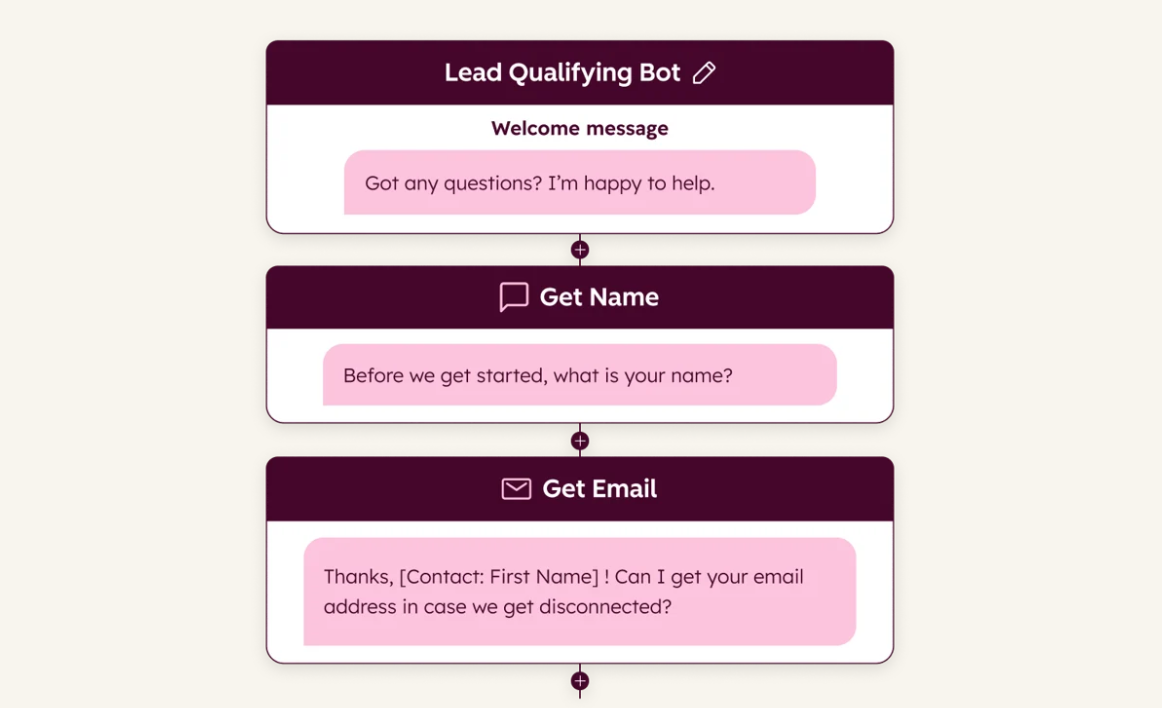
HubSpot chatbots with Breeze AI can engage website visitors, ask qualifying questions about budget, timeline, financing, and location preferences, then automatically create or update contact records inside the CRM.

hubspot-chatbot-breeze-ai

It also connects directly with email workflows, sales pipelines, and lead scoring systems. This creates a centralized process where website conversations, property inquiries, and follow-up actions stay connected in one platform.

8. Build Landing Pages for Home Valuations and Property Alerts

Landing pages help convert traffic into leads through focused offers and simplified forms. Strong real estate landing pages commonly offer:

  • Instant home valuations
  • Property alerts
  • Neighborhood reports
  • Buyer guides
  • Market updates
  • Local market trends

Dedicated landing pages often convert better than general service pages because they focus on one specific user intent. Clear headlines, short forms, local market information, testimonials, and strong calls to action help improve conversion rates.

9. Automate Follow-Ups With a Real Estate CRM

Real estate CRMs help businesses organize leads, automate communication, and maintain consistent follow-up across long buying and selling cycles. CRM systems commonly manage:

  • Lead pipelines
  • Email automation
  • SMS follow-ups
  • Appointment reminders
  • Lead scoring
  • Deal tracking
  • Task management
  • Campaign reporting

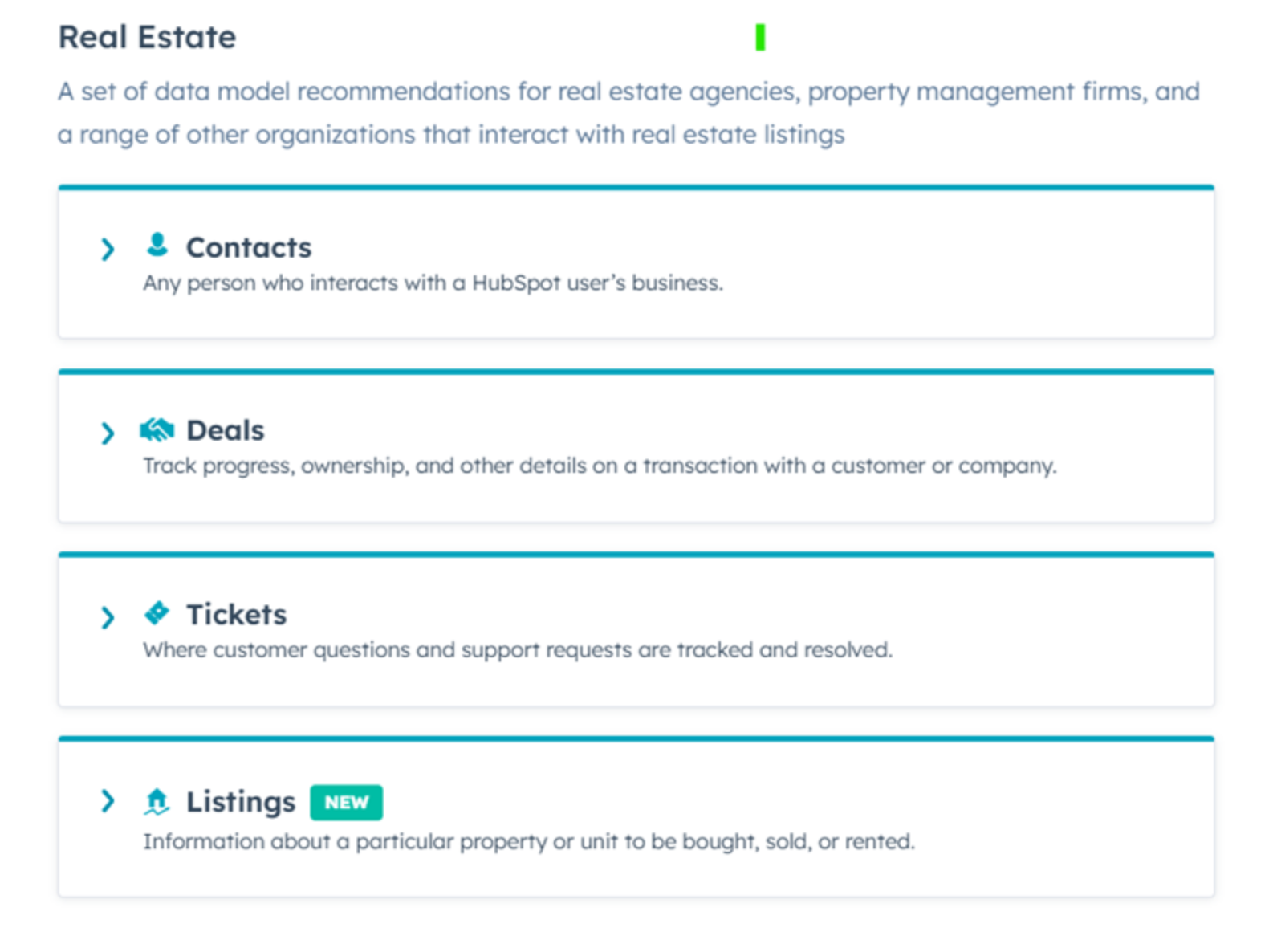
HubSpot CRM has become a widely used option for real estate businesses because it combines lead capture, automation, email marketing, reporting, AI tools, listings, and pipeline management within one platform.

hubspot-crm-for-real-estate-companies

Real estate teams can track inquiries from websites, social ads, referrals, property portals, and chatbots in a centralized dashboard.

HubSpot workflows can automatically send follow-up emails after property inquiries, assign leads to team members based on location or property type, and trigger reminders when leads stop responding.

For teams handling large lead volumes, automation improves response consistency and reduces missed opportunities. HubSpot also integrates with many real estate tools, marketing platforms, and communication systems, which helps connect marketing and sales activity into one workflow.

10. Generate Referrals From Past Clients and Your Sphere of Influence

Referral marketing remains one of the highest-converting lead sources in real estate. Many sellers still choose real estate businesses through referrals or previous relationships.

Referral systems often include:

  • Client appreciation events
  • Check-in emails
  • Home anniversary messages
  • Referral rewards
  • Social engagement
  • Local community involvement

Referral-based leads often convert faster because trust already exists before the first conversation. Trust also transfers naturally through referrals because prospects already receive social proof from people they know personally.

11. Partner With Mortgage Brokers, Attorneys, and Local Businesses

Strategic partnerships can help generate referral opportunities from related local industries. Common real estate referral partners include mortgage brokers, real estate attorneys, home inspectors, contractors, interior designers, moving companies, and insurance agents.

Because buyers and sellers often work with several service providers throughout the process, these relationships can create multiple referral pathways across your local market. Collaborative marketing campaigns, educational events, co-branded content, and local workshops can further strengthen lead flow while increasing visibility within the community.

Over time, strong partnerships can also reinforce your reputation as a trusted and well-connected local real estate expert.

12. Build a Local Community Brand Through Events and Sponsorships

a professional real estate networking scene showing a realtor collaborating with mortgage brokers, attorneys, contractors, and local business owners around a conference table with property with hubspot deal pop-ups popping up from their phone and notifications, cool tone

Local visibility plays a major role in real estate lead generation because many buyers and sellers choose businesses they already recognize within the community.

Community-focused marketing strategies often include:

  • Sponsoring local events
  • Supporting school activities
  • Hosting neighborhood workshops
  • Joining business associations
  • Participating in charity drives
  • Creating local market seminars
  • Partnering with community organizations

Businesses that consistently appear in community spaces often build stronger referral networks and local recognition than companies relying only on online advertising.

Community events also create opportunities for social media content, local press coverage, referral partnerships, and relationship-building with homeowners who may become future clients.

13. Prospect Expired Listings and FSBO Sellers

Expired listings and For Sale By Owner (FSBO) sellers represent homeowners who attempted to sell a property but did not complete the transaction. These lead types often become strong lead opportunities because they are already motivated to sell, but may need help with:

  • Pricing strategy
  • Listing presentation
  • Marketing exposure
  • Buyer outreach
  • Negotiation support
  • Market positioning

Real estate businesses typically prospect these leads through direct mail, phone outreach, email campaigns, social media messaging, or targeted advertising.

For example, a real estate business may contact an expired listing owner with local market insights, updated pricing recommendations, and a stronger marketing plan designed to attract buyers more effectively. FSBO outreach often focuses on helping homeowners navigate negotiations, paperwork, buyer screening, and marketing challenges.

This strategy connects directly to lead generation because it targets homeowners already active in the market and already interested in selling property.

14. Use Email Marketing to Stay Top of Mind

Because many buyers and sellers take months before making a decision, email marketing helps keep your business visible throughout longer buying and selling cycles. Effective real estate email campaigns often include:

  • Market updates
  • New listings
  • Neighborhood guides
  • Buyer education
  • Seller tips
  • Local event content

Segmentation can further improve engagement because buyers, sellers, investors, and past clients often have different interests, timelines, and decision-making needs. Automated email sequences connected to CRMs help maintain consistent communication throughout every stage of the pipeline, making it easier to stay visible without relying entirely on manual follow-up.

15. Build Trust With Client Reviews and Social Proof

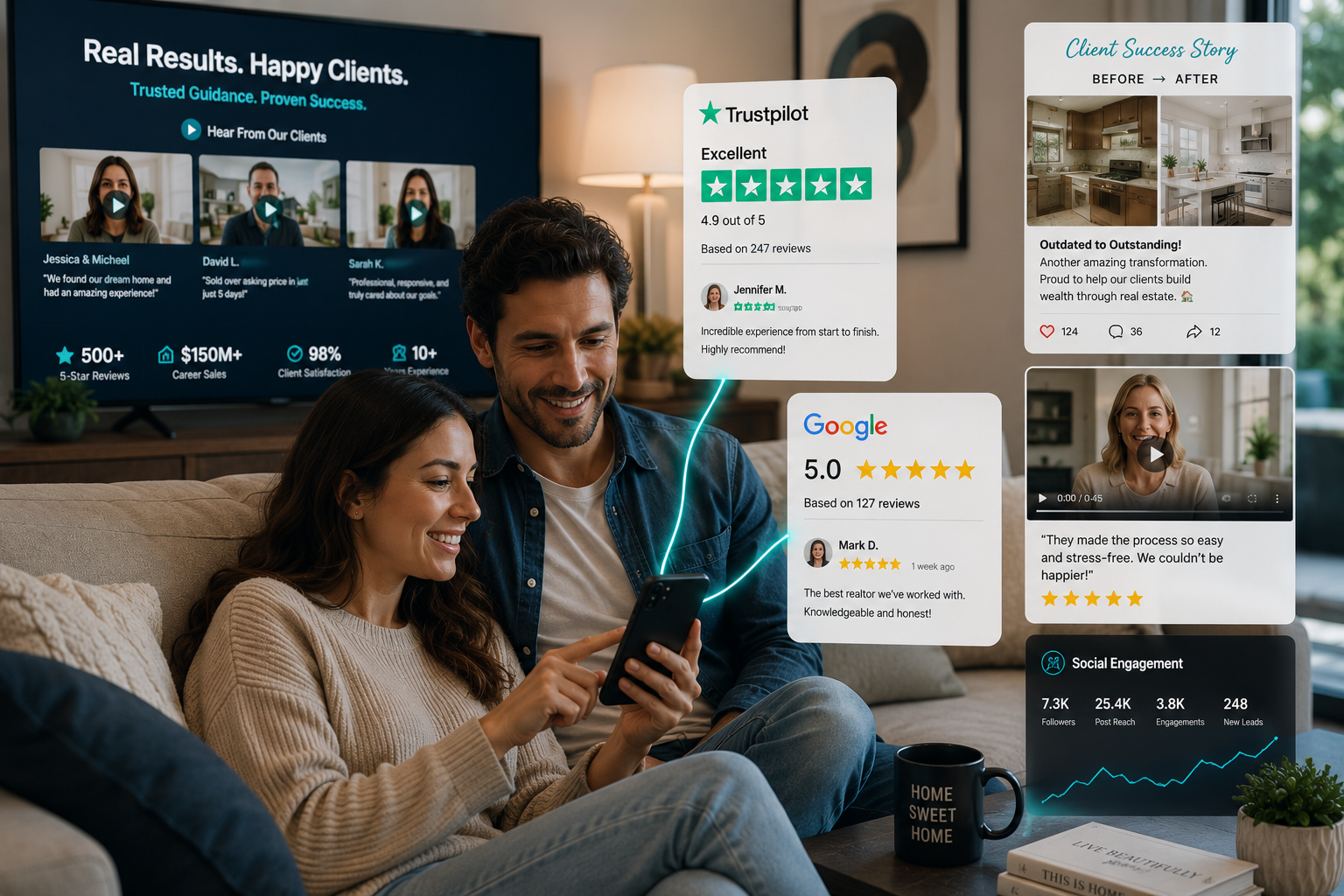
a couple looking at real estate broker reviews with pop-ups of trustpilot and google reviews from their phone, they are sitting on their sofa trust-focused real estate marketing visualization featuring client testimonial videos, five-star review ratings, before-and-after property success stories, and strong social engagement metrics appearing across digital platforms

Social proof strongly influences real estate decision-making because buyers and sellers want reassurance before choosing a real estate business. Strong social proof reduces hesitation during the decision-making process.

Strong trust signals include:

  • Google reviews
  • Video testimonials
  • Case studies
  • Before-and-after results
  • Social engagement
  • Community involvement
  • Transaction success stories

Video testimonials have become particularly valuable because they create stronger emotional credibility and authenticity, helping potential clients feel more confident before reaching out.

When paired with consistent branding across your website, social media, Google Business Profile, and listing materials, they can also reinforce professionalism and strengthen trust throughout the customer journey.

How to Choose the Right Lead Generation Strategy for Your Market

The best lead generation strategy depends on your market size, budget, competition level, and target audience. Different markets require different combinations of lead generation channels.

Real estate businesses in highly competitive markets often benefit from combining:

  • Local SEO
  • Google Ads
  • Short-form video
  • CRM automation
  • Referral marketing

Newer real estate businesses may generate traction faster through social media content, community involvement, local partnerships, and targeted digital campaigns. Luxury-focused real estate businesses often benefit from high-quality video, local branding, YouTube content, and relationship-driven referrals.

Because every real estate market behaves differently, the channels that generate qualified leads in one area may underperform in another. Working with a lead generation specialist or real estate marketing agency can help you identify which strategies align with your market conditions, competition level, audience behavior, and growth goals.

The Bottom Line on Getting More Real Estate Clients

Real estate businesses building owned marketing assets such as websites, email lists, local content, and community visibility often create more stable client pipelines and stronger long-term growth.

Your business can use HubSpot to organize leads, automate follow-ups, manage email campaigns, track buyer and seller activity, and improve lead nurturing across longer decision cycles. CRM automation also helps reduce missed opportunities because prospects continue receiving consistent communication even when they are not ready to convert immediately.

At Campaign Creators, we help real estate businesses build scalable acquisition systems through SEO, paid media, CRM automation, and conversion-focused marketing strategies designed to improve lead quality and support sustainable growth.

Frequently Asked Questions

Are Google Ads worth it for real estate agents?

Yes, Google Ads can generate high-intent buyer and seller leads because users are actively searching for real estate services, listings, or home valuations. Agents targeting local keywords and using optimized landing pages often see faster lead generation compared to organic-only strategies.

How long does local SEO take to generate real estate leads?

Local SEO typically takes several months to build consistent visibility because rankings depend on content quality, local competition, website authority, and Google Business Profile optimization.

Which CRM is best for real estate lead management?

HubSpot is a good CRM for real estate lead management because it combines contact management, automation, email marketing, lead tracking, and AI-powered workflows within one platform.

What is the difference between buyer leads and seller leads?

Buyer leads are people searching for properties to purchase, while seller leads are homeowners interested in listing or selling a property. Seller leads are often considered highly valuable because one listing can generate additional buyer inquiries and future referrals.

How do you nurture cold real estate leads?

Cold real estate leads are typically nurtured through consistent follow-up using email campaigns, market updates, neighborhood content, retargeting ads, and CRM automation.

6 Common Mistakes People Make with B2B Lead Generation

6 Common Mistakes People Make with B2B Lead Generation

In any marketing campaign, it is important to understand both sides of the coin- that is, both what to incorporate into your strategy and where all...

Read More
How to Leverage Social Media Video for B2B Lead Generation

How to Leverage Social Media Video for B2B Lead Generation

It's no secret that video content in the next big thing. It'sforecasted to account for 80% of all internet traffic by 2019. In November 2016,...

Read More
7 Questions You Should Ask Lead Generation Companies

7 Questions You Should Ask Lead Generation Companies

For any successful business's marketing and sales strategy, strong lead generating capacity is the foundation that holds up the entire funnel. For a...

Read More