




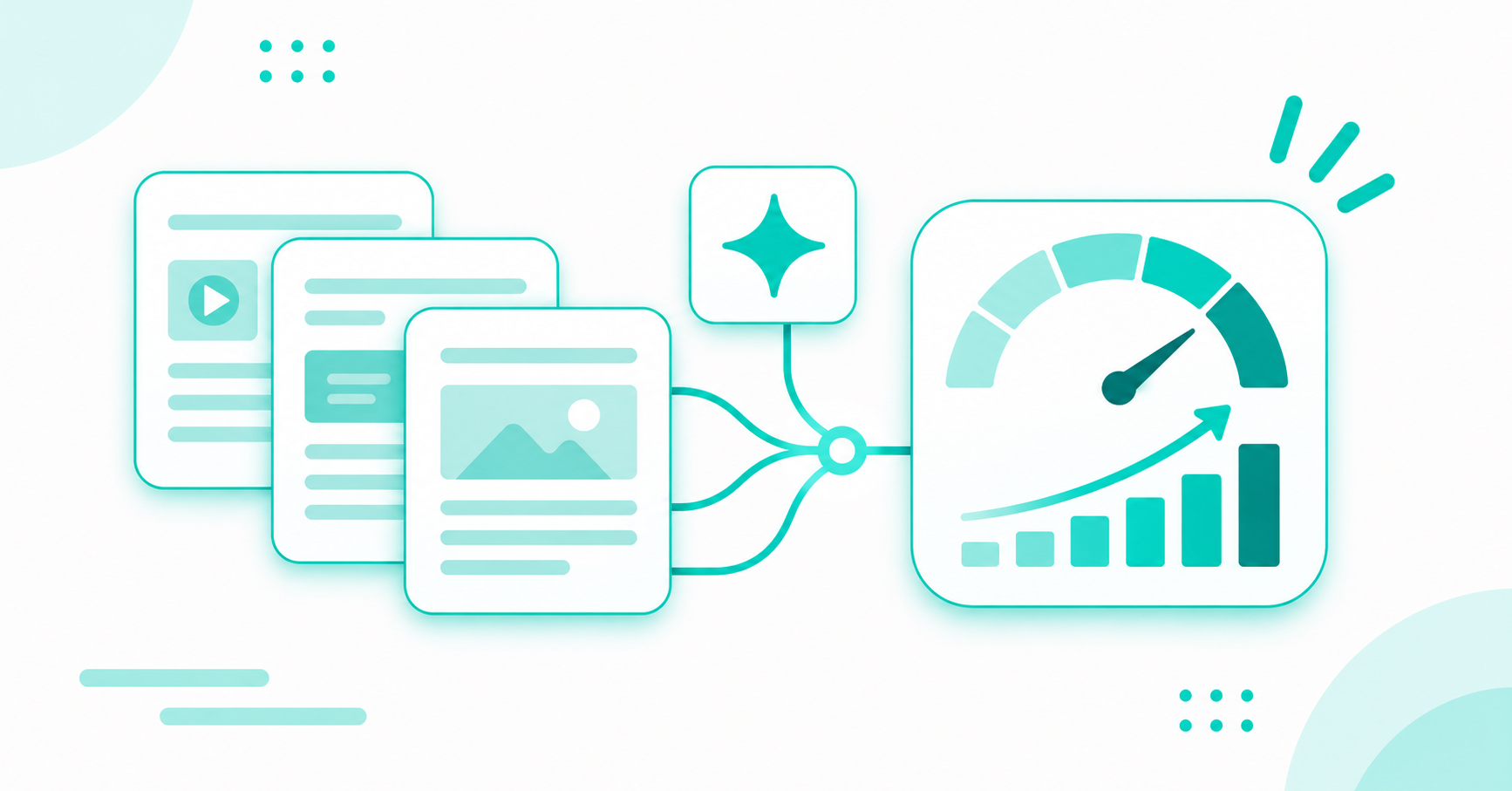
How to Find Which Content AI Is Citing with HubSpot AI Visibility
AI tools like ChatGPT, Gemini, and Perplexity are changing how people find information online. HubSpot found that 42% of CRM buyers use AI search...
9 min read
Campaign Creators
:
11/17/26
You can improve AI search visibility without publishing more content by making your current pages easier for AI engines to find and quote. Rewrite your best pages so each section opens with a direct answer, update outdated facts, and unblock AI crawlers. Then merge overlapping posts and earn more brand mentions on other sites. These fixes build on pages that already have authority.
AI engines often skip posts that answer real buyer questions because the answer is buried, the facts are old, or the page is blocked. Fixing those gaps puts content you've already paid for in front of buyers who ask ChatGPT, Gemini, and Perplexity for recommendations.
If your content library is large and your AI visibility is low, our SEO & AEO team can restructure your existing pages into formats AI engines cite.

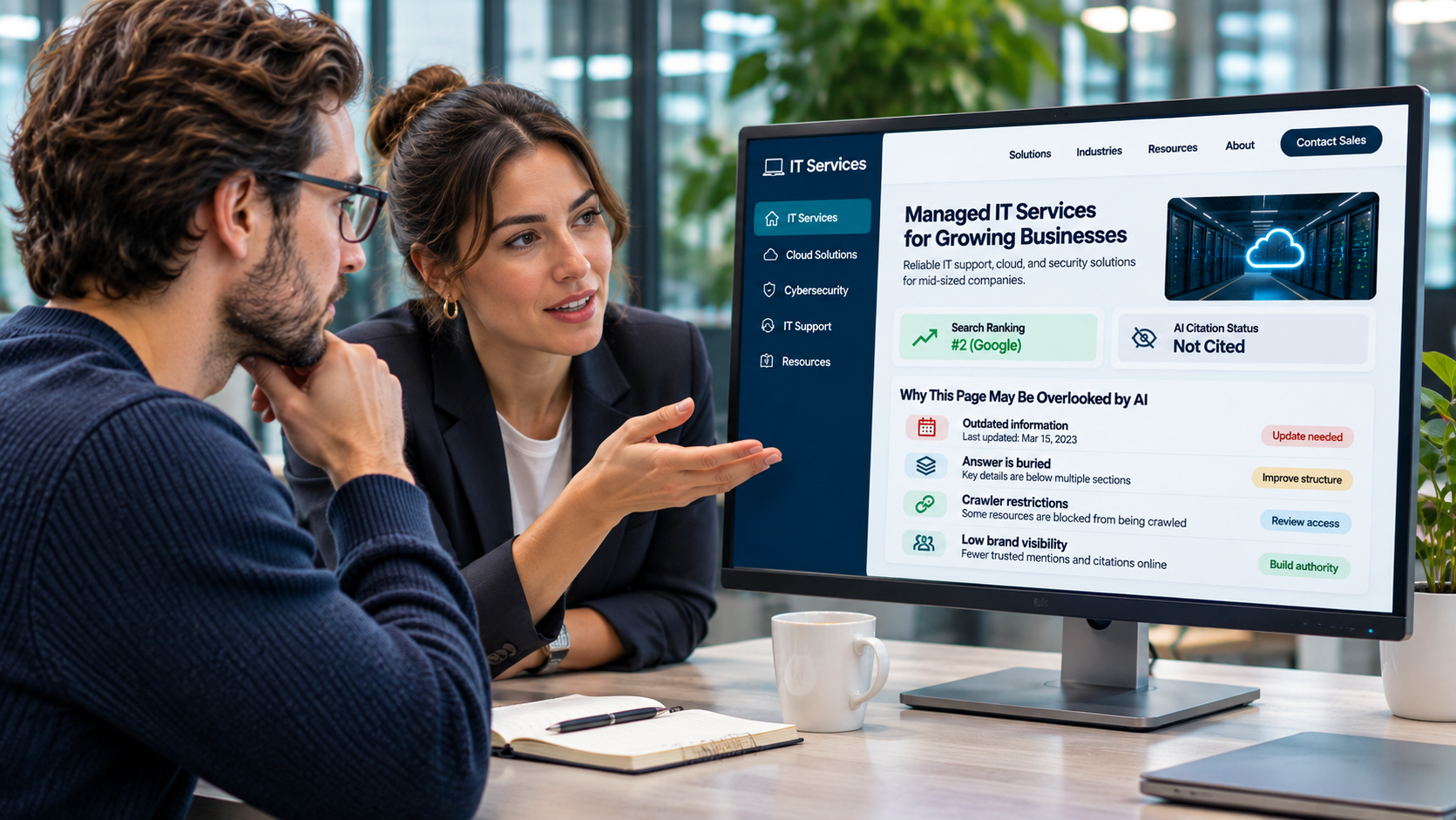
AI engines skip existing pages when the answer is buried, the facts are old, the crawler is blocked, or the brand has few mentions online. A strong Google ranking no longer guarantees a citation.
Google's AI features can also run several related searches on subtopics, a process called query fan-out. In a March 2026 study of 863,000 keywords, only 38% of AI Overview citations came from top-10 pages, down from 76% in July 2025.
A September 2026 analysis of about 168 million citations found that 57% came from pages outside the top 10. A page on page two can still win a citation by answering one of those sub-questions clearly.
Skipped pages usually fail for one of four reasons.
|
Problem |
What the AI engine runs into |
Fix |
|
Buried answer |
Long setup paragraphs before the actual answer |
Lead each section with a direct answer |
|
Old information |
Old stats, retired features, last year's pricing |
Update facts and examples |
|
Blocked access |
Crawler blocked, snippet turned off, or answer hidden in JavaScript |
Fix robots.txt, snippet settings, and rendering |
|
Weak brand presence |
Few mentions of the brand on other sites |
Earn mentions with content you already have |
Start with whichever problem affects your top pages, since those fixes reach the most buyers.
Start with pages that answer high-value buyer questions, already rank somewhere in the top 30, and connect to a product or service. Those pages already have authority, so changes to their structure pay off sooner.
Build your shortlist in this order.
Skip pages with no rankings, no traffic, and no tie to revenue. A rewrite seldom turns those pages into citation sources, so spend the time on pages buyers already find.
Rewrite the top of the page and each section so it opens with a direct answer that makes sense on its own. Then back it up with lists, tables, numbers, and linked sources, since AI engines lift single passages out of the page.
HubSpot added FAQs, buyer-question headlines, tables, lists, and structured data to its product feature pages. Those pages saw a 56% increase in AI citations.
In a peer-reviewed study presented at KDD 2024, adding quotations raised visibility by about 41% and adding statistics raised it by about 31%. Keyword stuffing did about 8% worse than leaving the page alone.
Work through these steps on each page you picked.
Write a 40–70 word answer that still makes sense if someone quotes it alone. Cut openers like "In today's world," and save brand mentions for later paragraphs.
Turn a label like "Pricing Overview" into the question buyers type, such as "How Much Does HubSpot Onboarding Cost?" Answer that question in the first one or two sentences below the heading.
Turn processes into numbered steps and comparisons into tables. Keep paragraphs to two or three sentences, with one idea in each.
Replace vague claims with a number, a quote from one of your specialists, or a linked source. Put the link in the same sentence as the number.
Add four to six short questions from sales calls and People Also Ask that the page doesn't already answer. Keep each answer to one or two sentences.
Google requires no special schema for AI features, but your structured data should match the visible text. Article and FAQ markup that mirrors the page helps engines read it correctly. Our guide to optimizing blog content for answer engines goes deeper on section length, summaries, and schema.
List the follow-up questions buyers and AI engines ask, then answer each one in its own short section on the page. A page that covers the related questions gives AI engines more passages to pull into an answer.
One study covered 10,000 keywords and about 33,000 fan-out queries. Pages ranking for the main query plus at least one fan-out query were 161% more likely to be cited than pages ranking for the main query alone. Fan-out queries also change a lot between runs, so cover the whole topic and skip chasing single sub-queries.
Here's how to expand a page you already have.
Pull a few numbers from your CRM, help desk, or project records and turn them into medians or ranges. Add them to the pages that make claims about those topics. A number from your own records gives AI engines a fact they can't find on any other site.
Google's guidance on helpful content asks if a page offers original information, reporting, research, or analysis that goes beyond the obvious. Many service pages repeat the same industry stats as their competitors, so even five numbers from your own work can set a page apart.
Follow these steps to publish the numbers.
Skip any number you can't explain or repeat next quarter. A short list of honest, well-labeled figures earns more trust than a long list of numbers nobody can check.
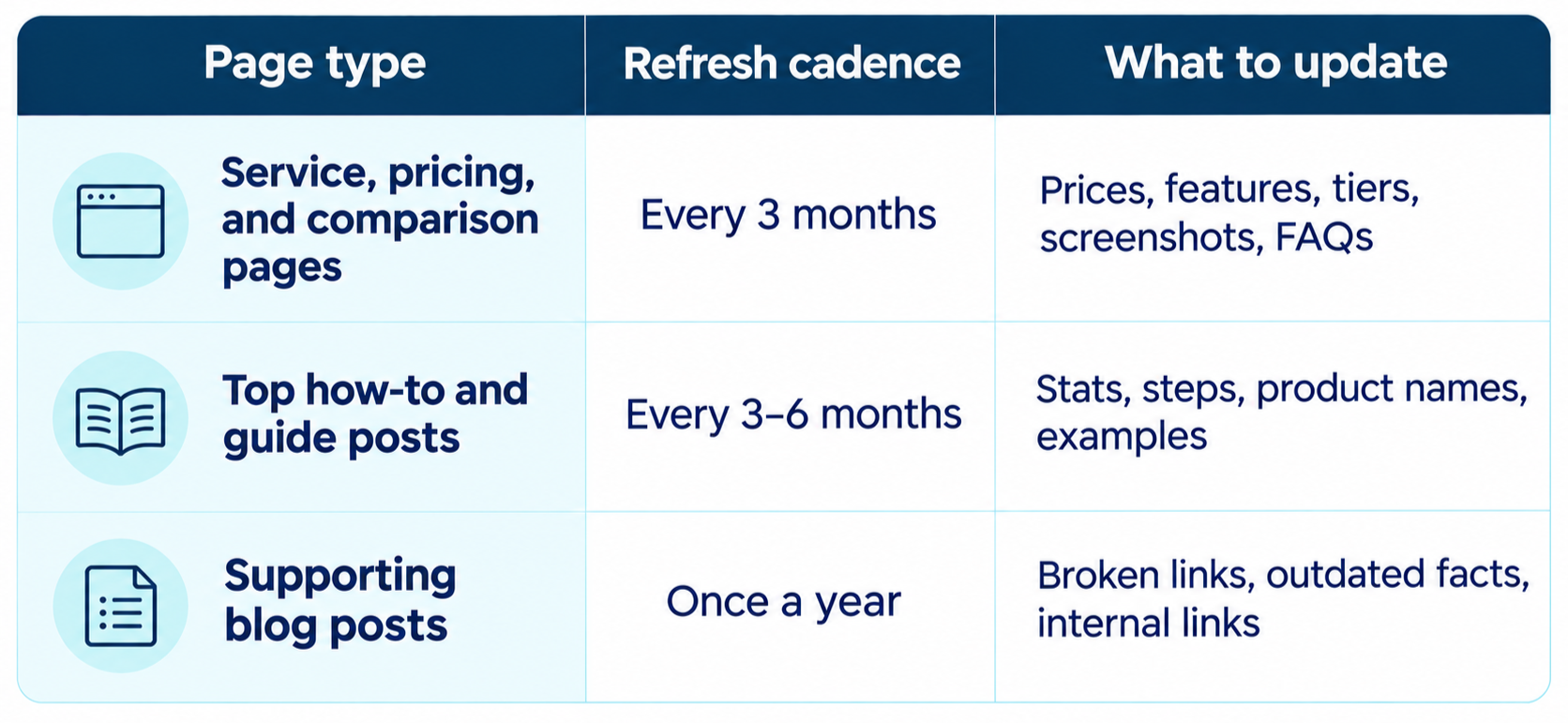
Refresh your highest-value pages every three months and the rest at least once a year. Each refresh should add new facts, examples, or structure.

Blocked crawlers, pages excluded from snippets, and answers hidden behind JavaScript are the most common technical blockers. Fix these first, because no content change helps a page AI engines can't read.
Check these settings on every page you want cited.
An old robots.txt rule can block a whole folder of posts for years, and removing it costs nothing.
Put the expertise you've already published in front of the communities, publishers, and platforms AI engines already cite. Mentions on other sites are among the strongest signals tied to AI visibility, and most of them can come from content you already have.
Reuse your content in these places.
A plan to increase third-party mentions usually starts with the prompts where competitors show up, and you don't.
Yes, when two or more pages answer the same question. One stronger page with 301 redirects gives AI engines a single clear source to cite, and your own posts stop competing with each other.
We recommend these four steps.
Don't delete old posts without redirects, since you'd lose the links and mentions they've earned.
Track a fixed set of buyer prompts before and after your changes, and compare how often your brand is mentioned and your URLs are cited. Rankings alone won't show you this.
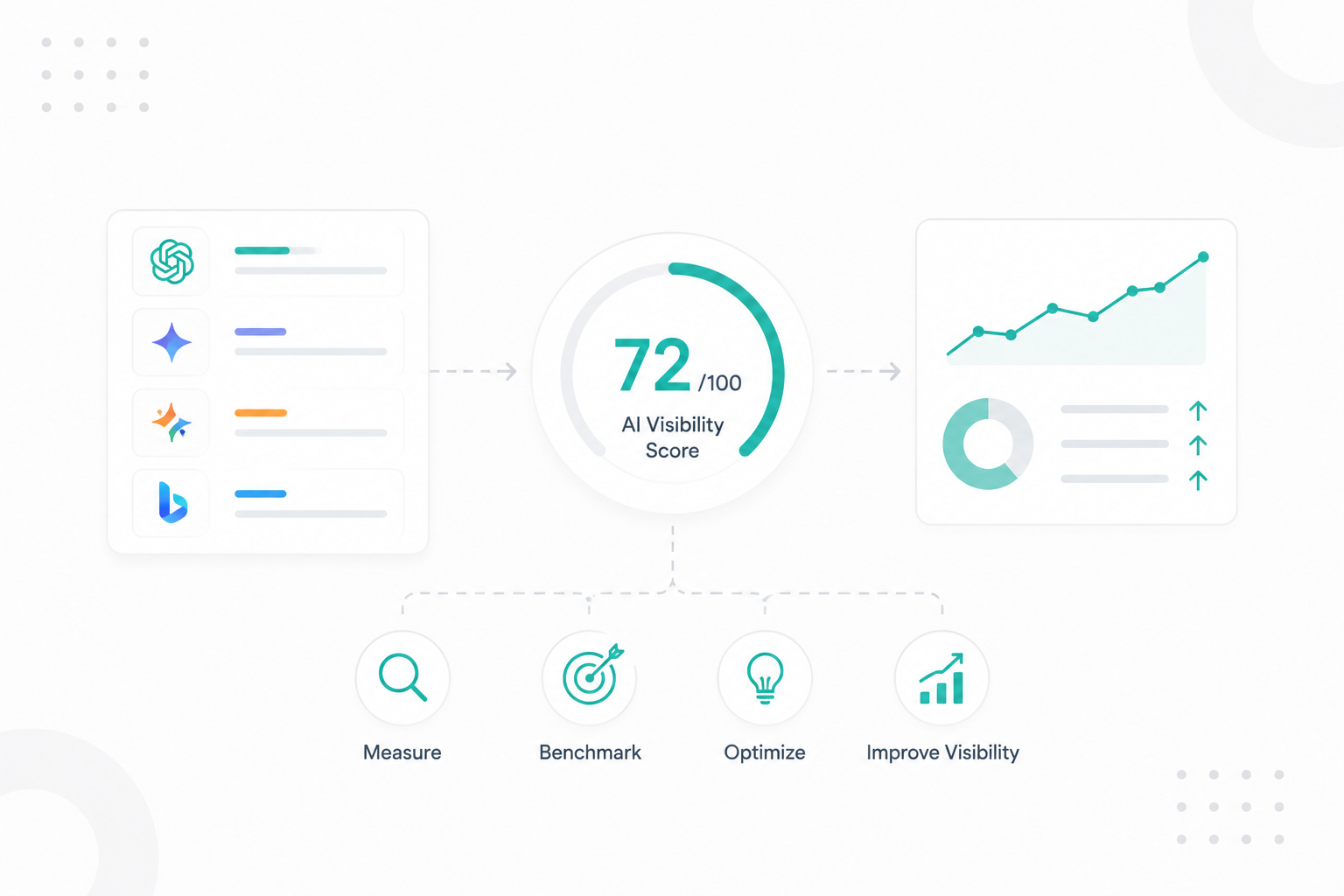
With HubSpot AEO, you can get a visibility score across ChatGPT, Gemini, and Perplexity, plus prompt tracking, citation analysis, and recommendations tied to your CRM. It's included in Marketing Hub Professional and Enterprise.
Check these numbers each month.
Give each change four to eight weeks before you judge it. AI answers vary from one run to the next, and updates take time to show up.
The pages AI engines skip often hold the right answer already, buried under setup paragraphs, old examples, or a crawl rule nobody remembers adding. Our AEO Content Optimization work restructures your existing pages into answer-first formats, and our Content Architecture work organizes internal links and CTAs around buyer intent.
As a HubSpot Elite Solutions Partner, we do this inside the HubSpot portal your team already uses. If your content library is bigger than your AI visibility, learn how our SEO & AEO services work.
You can improve AI search visibility by making your existing pages easier to quote, keeping them current, and opening them to AI crawlers. Brand mentions on other sites do the rest. Start with the pages tied to revenue, and measure citations against the same prompts every month.
Want to know if AI engines cite your pages today? Check how visible your site is in AI search with our free AEO Auditor.
There's no credible evidence that major AI engines use llms.txt when they choose sources to cite. Your time is better spent on page structure, crawler access, and brand mentions.
Change the "last updated" date only after real changes to facts, examples, or structure. A new date on old content can mislead readers, and it gives AI engines nothing new to cite.
Yes, AI tools can help draft answer-first intros, FAQs, and tables. A specialist should still check every fact and add first-hand examples, because a generic rewrite gives AI engines no reason to pick your page.
No, AEO builds on SEO. Pages still need to be indexed, crawlable, and trusted to appear in AI answers, so solid SEO is still the starting point.
Usually not, unless the page answers a high-value buyer question that no other page covers. Focus first on pages that already rank or connect directly to a service.
Yes, small companies can win citations on narrow questions where big brands have thin or generic pages. Clear answers, current facts, and real expert detail can beat a bigger brand name on those topics.
AI tools like ChatGPT, Gemini, and Perplexity are changing how people find information online. HubSpot found that 42% of CRM buyers use AI search...
Ranking on Google still helps your pages get cited in AI search, but it no longer guarantees it. Pages in the top three search resultsget cited by AI...
What Is an AI Visibility Score and How Should Marketers Use It? More people are starting to search through AI tools instead of scrolling through...