






A HubSpot Elite Solutions Partner built to help organizations unify strategy, systems, and execution. We design HubSpot systems that scale.

See how we've solved complex HubSpot challenges across migrations, integrations, CMS, automation, and optimization.

Join a team building smarter HubSpot systems. We value strategic thinkers who move proactively, care about quality, and want to do meaningful work.

11 min read

15 High-Converting Lead Magnet Ideas and Examples to Grow Your Email List

15 High-Converting Lead Magnet Ideas and Examples to Grow Your Email List

Building an email list is not just about asking visitors to subscribe. People are more likely to share their contact information when they receive something valuable in return, whether it is a guide, template, tool, or exclusive offer.

That is why businesses use lead magnets to turn website visitors into subscribers and start building relationships with potential customers. The impact can vary by format, with learning resources reaching conversion rates of 27.4% and interactive tools reaching 26.44%.

However, the right lead magnet depends on your audience and what they need. In this article, we’ll explore 15 high-converting lead magnet ideas, examples, and how to choose the best format to grow your email list.

Key Takeaways

  • Choose a lead magnet based on the action your audience wants to take, such as understanding a topic, completing a task, comparing options, or testing a solution.
  • A smaller, specific lead magnet like a checklist can outperform a large resource when it gives users a faster path to solving their problem.
  • Lead magnets work best when the topic connects to your offer, so the people who subscribe are more likely to become qualified leads.

What Makes a Good Lead Magnet?

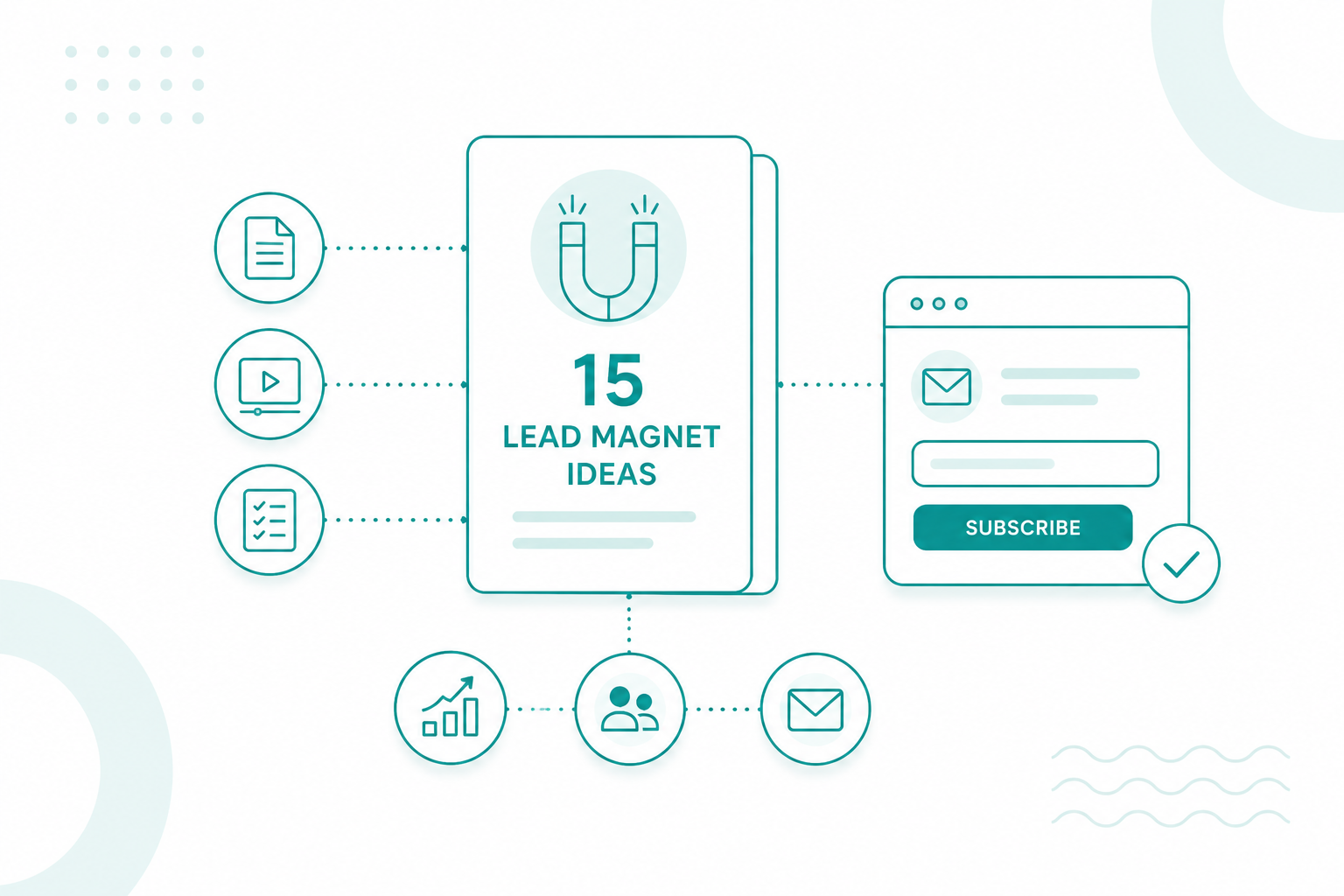
professional checking out a resource deciding before downloading it, with pop-ups of identifying a customer problem, choosing the right resource format, delivering useful value, attracting qualified subscribers, and creating a relevant follow-up journey.

A good lead magnet gives the right audience a valuable reason to connect with your business by offering something useful, relevant, and connected to a problem they already want to solve. To create a lead magnet that attracts quality subscribers, focus on these key elements:

It Solves a Specific Problem

A good lead magnet should make the value immediately clear. Visitors should understand what they will receive and why it matters before they decide to sign up.

A resource trying to cover everything often becomes less useful because the outcome is unclear. Focus on a specific problem your audience already wants to solve.

It Matches How Much Help the Audience Needs

Different audiences need different levels of support. Someone comparing business software may need an in-depth guide, research report, or webinar before making a decision. Someone completing a task may prefer a checklist, or template they can use immediately.

Lead magnets do not need to be lengthy to be effective. Resources that provide clear answers, practical steps, or immediate solutions can often create a better experience than longer content that requires more time to consume. The format should match the user’s situation rather than simply following what is popular.

It Attracts the Right Audience

A lead magnet should be measured by the quality of subscribers it brings in, not only the number of signups.

A giveaway with a general prize may attract many people, but some may only be interested in the reward. A targeted resource attracts users who already care about the problems your business solves.

For example, a software company offering a workflow improvement template is more likely to attract people interested in improving operations than a generic giveaway unrelated to its product.

It Creates a Natural Next Step

Someone downloading a CRM comparison checklist is likely thinking about improving their sales process. A CRM company can provide value first, then continue the conversation with helpful follow-up content.

This connection also supports better segmentation. Research from Typeform notes that segmented email campaigns can achieve stronger engagement because subscribers receive content tailored to their interests, needs, or stage in the buying journey.

The best lead magnets are not just free resources. They help the right people solve a meaningful problem while creating a reason to continue engaging with the business.

15 Lead Magnet Ideas to Grow Your Email List

1. Ebooks and In-Depth Guides

Ebooks became popular lead magnets because they match how people research bigger decisions. When someone is choosing software, changing a business process, or investing in a solution, they usually need more context before they are ready to move forward.

The mistake businesses make is assuming more information means more value. A long ebook with generic advice is easier to ignore than a shorter resource built around a specific problem.

For example:

  • Generic: “The Complete Guide to Digital Marketing”
  • Stronger: “How Ecommerce Teams Can Reduce Customer Acquisition Costs Without Increasing Ad Spend”

Ebooks are usually most valuable for industries with longer decision-making processes, such as SaaS, consulting, finance, and B2B services. They give businesses a way to educate potential customers while building trust before a sales conversation happens.

For inspiration, take a look at our ebook on How to Create Buyer Personas to see how a focused resource can address a specific audience challenge.

2. Checklists and Cheat Sheets

Some people download resources because they want to learn. Others download them because they want to finish something faster. Checklists work for the second group. They help users simplify a process, organize steps, and reduce the chance of missing something important. This is why they are effective for workflows that involve multiple decisions or repeated actions.

Common examples include:

  • Website launch checklist
  • Paid ads audit checklist
  • Event planning checklist
  • Employee onboarding checklist

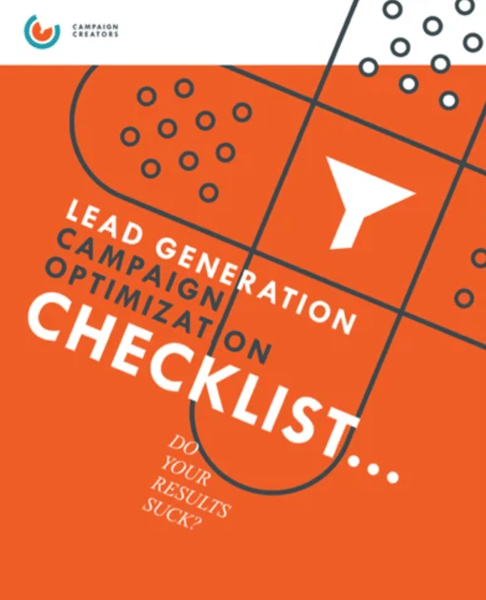
The same approach applies to marketing workflows. Our Lead Generation Campaign Optimization Checklist breaks down important campaign elements into clear steps so teams can review their campaigns more efficiently.

campaign-creators-lead-generation-checklist

A checklist should not try to explain everything about a topic. Its value comes from making execution easier. Someone preparing a campaign does not always need another marketing guide. They may simply need a reliable list that helps them check their work before going live.

3. Templates and Swipe Files

Templates attract users who are usually one step closer to action. Someone reading an article about email marketing may still be learning, but someone downloading an email sequence template is likely preparing to create one. Templates provide a starting point that makes implementation easier.

Examples include:

  • Email templates
  • Sales scripts
  • Proposal formats
  • Planning spreadsheets
  • Reporting dashboards

This type of lead magnet works especially well when the template connects naturally to what the business sells.

4. Worksheets and Workbooks

Worksheets and workbooks are effective because some problems require more than information. People often need a structured way to organize their thoughts, evaluate options, and create a plan based on their own situation.

Unlike guides that explain what someone should do, workbooks encourage users to apply the information as they go. They turn passive learning into an interactive process where the person completes exercises, answers questions, or works toward a specific outcome.

Common workbook and worksheet ideas include:

  • Business planning worksheets
  • Goal-setting workbooks
  • Brand strategy exercises
  • Budget planning worksheets
  • Self-assessment documents
  • Project planning frameworks

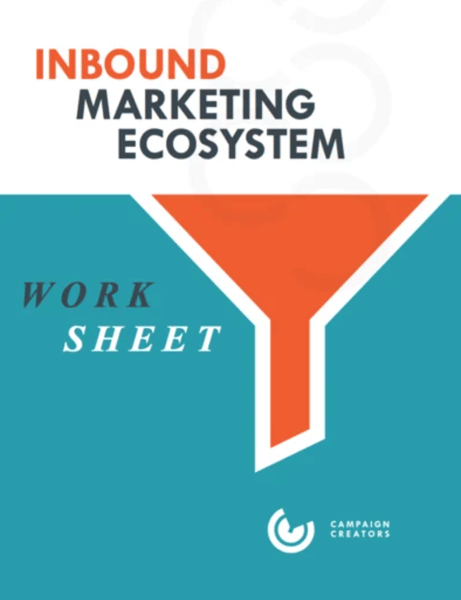
A resource like our Inbound Marketing Worksheet follows this structure by turning planning questions into a more organized strategy-building process. Check it out if you need help organizing your strategy before moving forward.

campaign-creators-inbound-marketing-worksheet

A strong workbook should feel like progress. Each question, prompt, or activity should help users get closer to a decision or result they care about.

5. Free Tools and Calculators

People may overlook general recommendations about improving their performance, but they are more likely to pay attention when a tool shows them how much revenue they could be missing out on or how much money they could save.

Unlike static resources, calculators ask users to enter information about their own situation. This makes the result more relevant and gives businesses better insight into the user’s goals, challenges, or level of interest.

Examples include:

The best calculators help users understand their current situation, identify opportunities, and see where additional support or solutions may be valuable.

6. Quizzes and Assessments

A quiz creates a personalized experience. The answers users provide can help businesses recommend the right products, content, or next steps based on each person’s situation.

For example, a skincare company could create a quiz that helps visitors identify their skin type and receive personalized product recommendations. A business consultant could create an operational assessment that helps companies understand where their biggest growth challenges are.

Common quiz and assessment ideas include:

  • Product recommendation quizzes
  • Business maturity assessments
  • Scorecards
  • Personality-style quizzes
  • Readiness assessments

campaign-creators-quick-quiz-example

Our Find Your Biggest Marketing Gap quiz is an example of how assessments can help users identify where they need the most support. Through five quick questions, users can discover whether their biggest marketing challenge is related to Time & Resources, Tech Skills, or Strategy.

7. Webinars and Online Workshops

When someone is considering a higher-value product or service, they often need more explanation, trust, and confidence before moving forward. A webinar helps businesses educate their audience while demonstrating expertise in a more personal format.

Someone is more likely to register for a session that teaches them how to overcome a challenge than one that feels like a sales presentation.

For example:

  • Generic: “Learn About Our Marketing Platform”
  • Stronger: “How Ecommerce Teams Can Improve Customer Retention Without Increasing Ad Spend”

Useful webinar formats include:

  • Expert training sessions
  • Live workshops
  • Product demonstrations
  • Industry discussions
  • Problem-solving sessions

A webinar should leave attendees with useful knowledge even if they are not ready to buy immediately. Building trust first makes future conversations easier.

8. Free Email Courses

A single PDF gives someone information once. An email course creates multiple opportunities to educate, build trust, and introduce solutions gradually. They are especially useful when the audience needs to learn a process step by step.

Email course ideas include:

  • 5-day beginner programs
  • Step-by-step challenges
  • Skill-building lessons
  • Educational series
  • Masterclasses

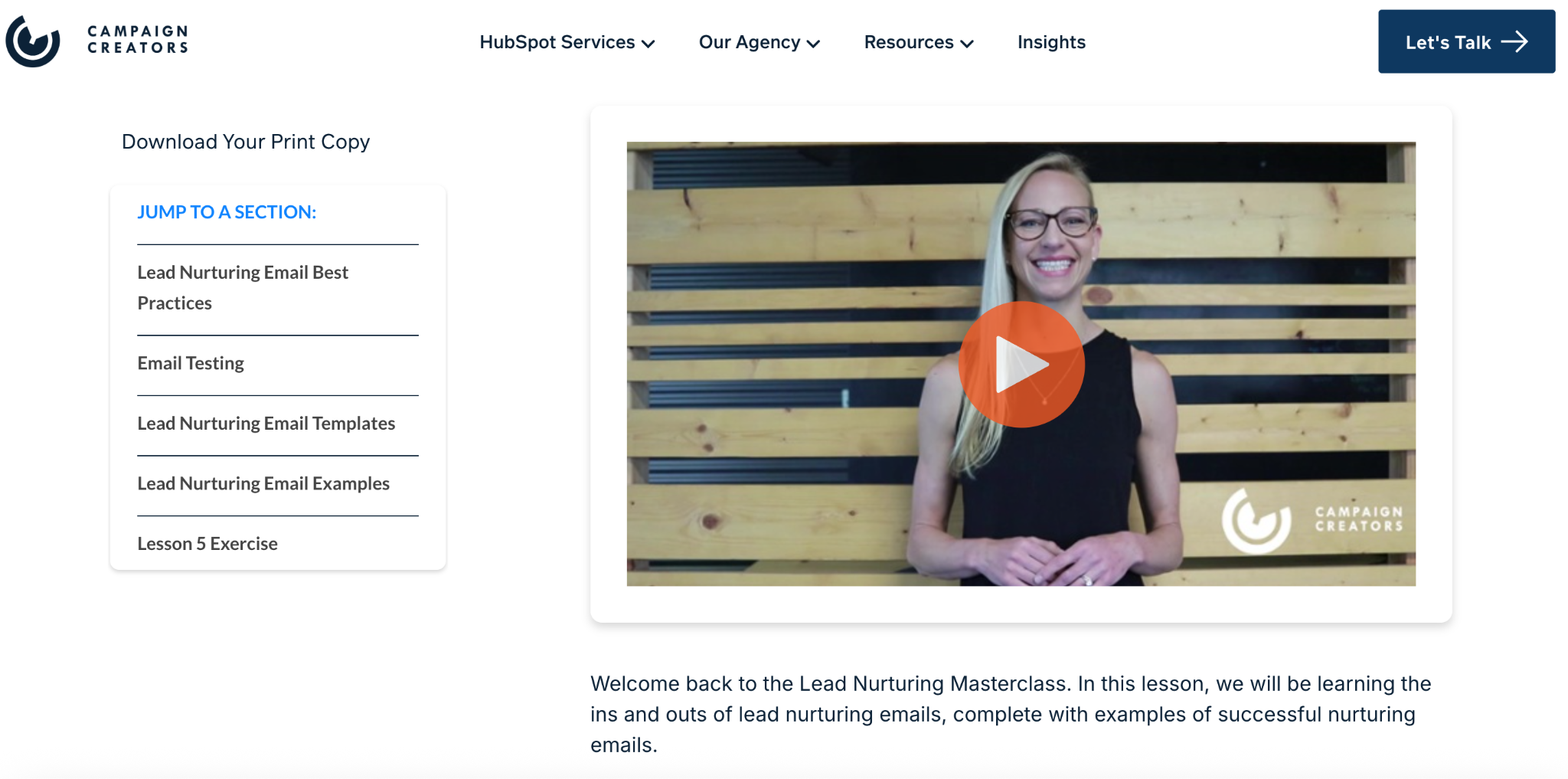
For example, our Lead Nurturing Emails Masterclass helps businesses understand how to create email sequences that build relationships with leads and guide them through the customer journey.

campaign-creators-free-masterclasses

You can also explore other related lessons designed to improve your marketing strategy and execution on our page.

9. Reports and Industry Research

Research reports help people understand trends, benchmarks, and changes happening in their industry. This makes them especially valuable for professionals who need data to support decisions.

For example, HubSpot’s State of Marketing Report shares insights on marketing trends, customer behavior, and industry changes based on research and data. These reports help marketers understand where the industry is heading, compare their strategies, and make more informed decisions.

Strong research lead magnets often include:

  • Survey results
  • Industry benchmarks
  • Trend analysis
  • Customer insights
  • Expert commentary

10. Case Studies and Success Stories

At some point, educational content is no longer enough. A buyer may understand the problem and know the possible solutions, but they still need confidence that a product, service, or strategy can deliver results. A strong case study explains the situation before the solution, what changed, and the measurable outcome.

You can explore our HubSpot Case Studies page to see examples of the challenges businesses faced, the strategies used, and the results achieved.

Strong case study lead magnets often highlight:

  • The original challenge
  • The strategy or solution used
  • Specific results achieved
  • Lessons other businesses can apply

Case studies are especially useful for B2B services, software, consulting, and high-investment products where customers often need more context before making a decision.

11. Resource Libraries

A resource library gives users access to a collection of helpful materials they can return to whenever they need support. This format works well when a business helps customers across multiple related challenges.

For example, a marketing company could create an e-commerce growth library with advertising checklists, email templates, reporting dashboards, and conversion guides. Instead of attracting someone interested in only one resource, the company builds a longer relationship around continuous learning.

However, adding more resources does not automatically make the offer stronger. A smaller collection built around one audience is usually more valuable than a large library filled with unrelated content.

12. Free Trials and Product Demos

Free trials and demos give potential customers a way to experience a solution before making a decision.

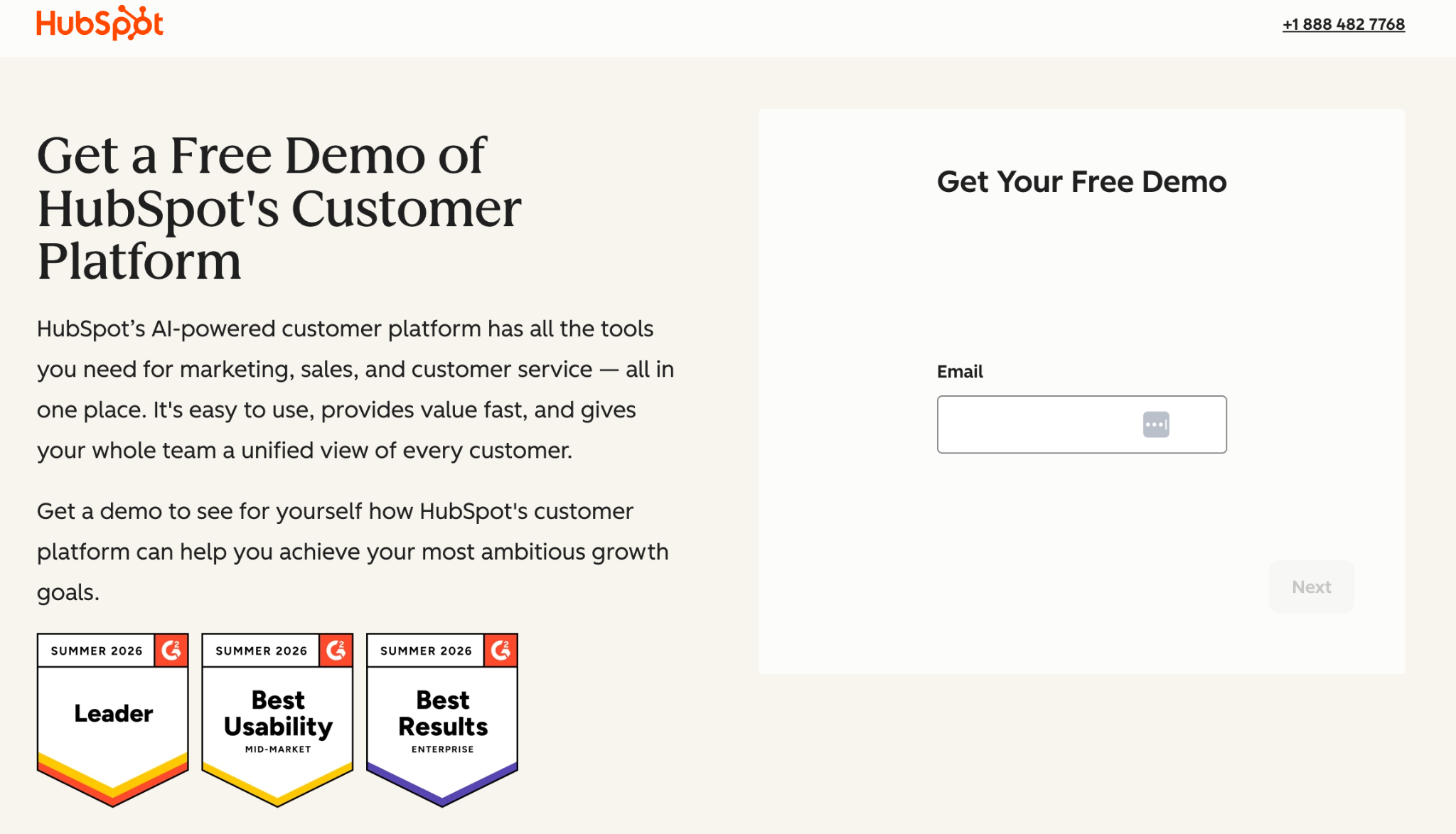
HubSpot offers free demos that help businesses explore its platform, understand different features, and see how its tools can support their marketing, sales, and customer operations.

hubspot-customer-platform-demo-page

Users simply provide their email address to access the demo. This also creates an opportunity for HubSpot to continue the conversation and nurture potential customers.

Common trial and demo formats include:

  • Limited-time free trials
  • Personalized product demos
  • Free accounts with limited features
  • Interactive product walkthroughs

When users sign up but do not reach a meaningful outcome, it can create lower-quality leads. The experience after signup is just as important as getting the signup itself.

13. Exclusive Discounts and Special Offers

Someone downloading an ebook may still be researching. Someone signing up for a first-order discount is often already considering buying. This makes discounts especially useful for ecommerce brands and subscription businesses where a small incentive can reduce hesitation.

Examples include:

  • First-order discounts
  • Free shipping offers
  • Early access promotions
  • Subscriber-only deals
  • Gifts with purchase

However, discounts should be used carefully. Attracting subscribers who only want a deal can grow an email list without improving long-term customer quality.

14. Giveaways and Contests

Unlike resources that ask someone to read, learn, or complete a task, giveaways create participation by offering something directly connected to the audience’s interests.

The challenge is that giveaways can attract people who are interested in the prize but not necessarily the business.

To attract the right audience, choose prizes that naturally connect to the problem your business solves or the customers you serve. For example, a fitness brand could offer a training program, equipment bundle, or coaching session because these prizes attract people already interested in improving their fitness.

Giveaway ideas include:

  • Product bundles
  • Experience-based prizes
  • Industry-related tools
  • Membership access
  • Coaching or consultations

A giveaway should attract people who are likely to benefit from what the business offers. A smaller list of relevant subscribers creates more opportunities for future conversations than a large list built only around a prize.

15. Communities and Exclusive Access

People can find articles, videos, and free resources almost anywhere. A community creates value through access, conversations, shared experiences, and ongoing support. This makes community-based lead magnets useful for brands that want to build a long-term relationship with their audience.

For example, a software company could create a private community where customers and prospects share strategies, attend expert sessions, and learn better ways to solve industry problems.

Exclusive access can include:

  • Private communities
  • Members-only newsletters
  • Expert sessions
  • Early product access
  • Invite-only events

The best communities help people achieve something they care about while keeping the business connected to an engaged audience.

Lead Magnet Comparison: Which One Should You Choose?

There is no single lead magnet format that works best for every business. The right choice depends on your audience, what problem they are trying to solve, and how close they are to making a decision.

Use the comparison below to choose a lead magnet based on your goal:

If Your Goal Is To

Consider Using

Why It Works

Educate people about a problem

Ebooks, guides, reports, webinars

Helps users understand complex topics before making decisions

Help users complete a task faster

Checklists, templates, worksheets

Gives people practical resources they can immediately use

Provide personalized recommendations

Quizzes, assessments, calculators

Creates a more relevant experience based on the user’s situation

Build trust and authority

Research reports, webinars, communities

Shows expertise through insights, education, or ongoing value

Help buyers evaluate your solution

Case studies, demos, free trials

Gives proof and reduces uncertainty before purchasing

Encourage first purchases

Discounts and exclusive offers

Gives interested buyers an extra reason to take action

Increase reach and engagement

Giveaways and contests

Creates awareness but works best when the prize attracts the right audience

Always remember that the best lead magnet is not always the one that gets the highest number of downloads. It is the one that attracts people who are likely to stay engaged and eventually become customers.

How to Create a Lead Magnet That Converts Visitors Into Subscribers

1. Understand what your audience needs before choosing a format

The best approach is identifying what your audience is trying to accomplish and choosing the format that helps them reach that outcome.

Someone researching a complex business decision may need an in-depth guide or webinar. Someone trying to complete a task may prefer a checklist or template they can immediately use.

2. Focus on one clear outcome

A broad resource may attract more people, but it can also make the value harder to understand. A focused resource helps visitors quickly recognize whether it was created for them.

For example:

  • Generic: “The Complete Guide to Growing Your Business”
  • Stronger: “The 30-Day Customer Retention Checklist for Ecommerce Brands”

The second option communicates who it helps, what problem it addresses, and what the user can expect.

3. Make the value easy to access

People download lead magnets because they want help making progress. The resource should make the next step easier, whether that means making a decision, completing a task, or understanding a problem.

A valuable lead magnet does not always need to be long. A simple checklist, calculator, or template can outperform a large guide if it solves the right problem at the right time. The focus should be usefulness, not the amount of content included.

4. Create a landing page that explains the benefit clearly

Even a valuable lead magnet will struggle if visitors do not understand why they should download it. A landing page should quickly explain:

  • Who the resource is for
  • What problem it helps solve
  • What the user will receive
  • Why it is worth exchanging their information

The message should also focus on the outcome rather than the format.

5. Plan what happens after someone subscribes

Getting the email address is only the beginning. A lead magnet should create a path for continued engagement through helpful follow-up content, recommendations, or next steps connected to the original problem.

Think about what the subscriber needs after they receive the resource. This could include an email sequence that explains the topic further, shares related resources, answers common questions, or introduces solutions based on their interests. This helps turn a single download into an ongoing conversation where subscribers continue learning and engaging with your business.

To learn more about building a complete strategy for attracting and converting leads, continue reading Your Definitive Guide to Lead Generation.

Create Lead Magnets That Attract the Right Subscribers

Lead magnets can help businesses turn website visitors into subscribers by offering valuable resources, tools, or experiences in exchange for contact information.

If your organization needs a better way to attract qualified leads and build stronger customer relationships, creating the right lead magnet strategy can help you grow an email list filled with people who are more likely to engage with your business.

Campaign Creators help businesses develop lead generation strategies designed to attract, nurture, and convert the right audience.

Explore how we create lead generation strategies designed for sustainable growth!

Frequently Asked Questions

Are lead magnets only used for email marketing?

No. While lead magnets are commonly used to grow email lists, they can also support lead generation, audience research, customer education, and sales nurturing.

How long should a lead magnet be?

A lead magnet should be as long as needed to solve the user’s problem. A short checklist can be more effective than a long ebook if it delivers the answer faster.

Should a lead magnet be free?

Yes. Lead magnets are usually offered for free in exchange for contact information, such as an email address or form submission.

How many lead magnets should a business have?

A business can have multiple lead magnets for different audiences, goals, or stages of the customer journey. Having different offers helps match users with resources that fit their needs.

How do you promote a lead magnet?

You can promote a lead magnet through website forms, landing pages, blog content, email campaigns, paid ads, and social media channels.

Where should you place a lead magnet on your website?

Lead magnets can be placed on landing pages, relevant blog posts, homepage sections, pop-ups, or resource pages where visitors are already looking for related information.

Lead Generation Terms Explained: The Essential Glossary for Marketers

Lead Generation Terms Explained: The Essential Glossary for Marketers

Marketing is full of terms that sound similar but mean different things. “Leads,” “prospects,” “MQLs,” “SQLs,” “funnels,” and “pipelines” get used...

Read More
How to Build an eCommerce Website in 2026: Cost, Features & Step-by-Step Process

How to Build an eCommerce Website in 2026: Cost, Features & Step-by-Step Process

Building an eCommerce website in 2026 is no longer just about getting products online. More than 2.5 billion people worldwide now buy consumer goods...
Read More
10 Best Lead Generation Strategies for Real Estate

10 Best Lead Generation Strategies for Real Estate

Most buyers and sellers search online long before contacting a real estate business. They compare companies through Google reviews, social media...

Read More