







 Campaign Creators
1 min read
Using Reddit as a Marketing Tool
 Campaign Creators : 05/01/16
If you're a marketer, you've probably heard about Reddit-- and if you haven’t don’t worry, you came to the right place to learn more about this...
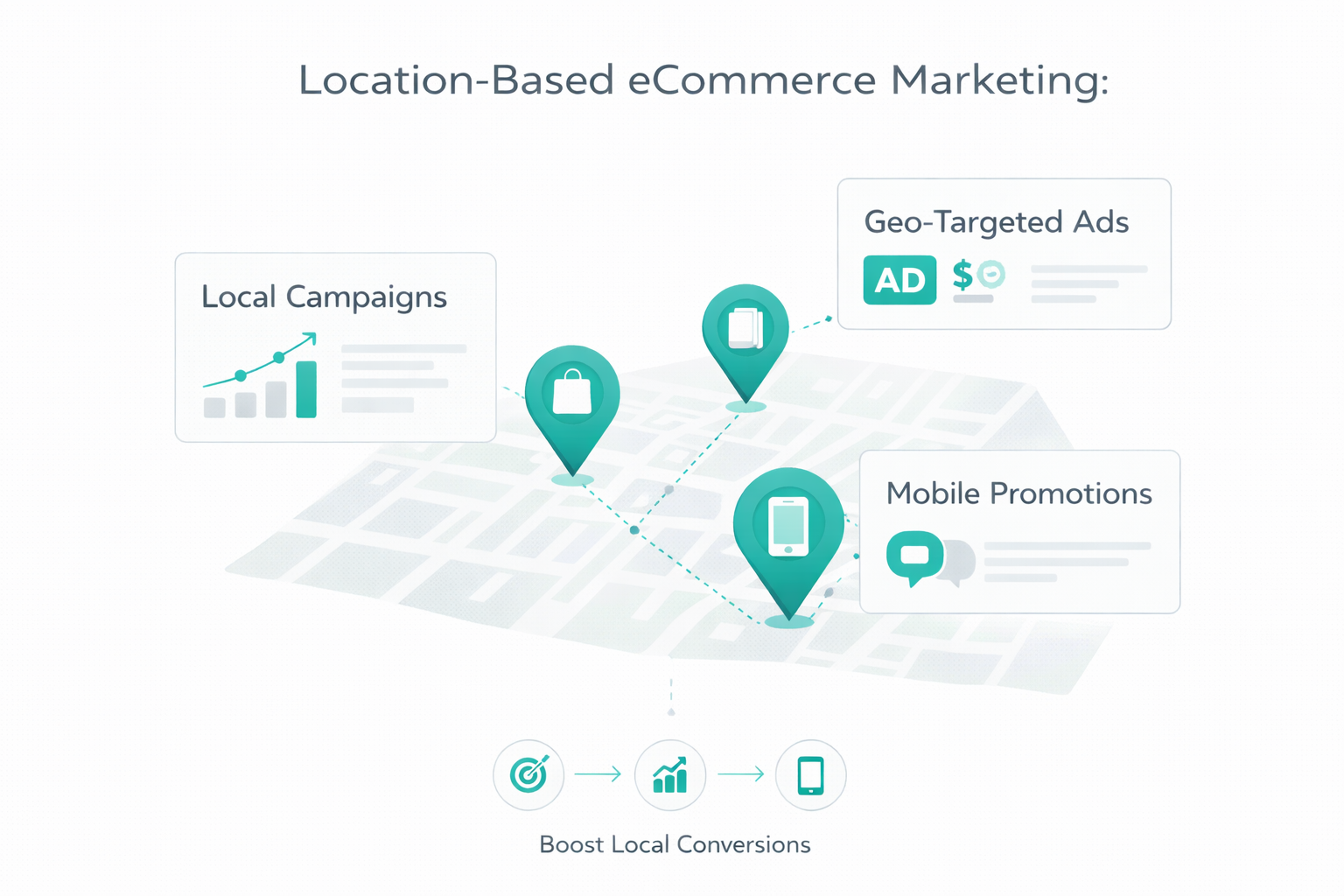
Location-based eCommerce marketing uses a customer’s real-time location to deliver relevant content and offers. It connects your digital campaigns to where someone actually is, making your messaging more timely and meaningful. As third-party cookies fade and privacy rules tighten, location data becomes a stronger signal for understanding intent and guiding your targeting.
When you apply geographic targeting, you can increase visibility and drive faster action. These campaigns often see higher click-through and conversion rates than standard approaches.

Location-based eCommerce marketing, also recognized as geolocation marketing or geotargeting, represents a strategic method using a consumer's physical position to provide tailored digital content, advertisements, or promotional offers via mobile devices.
This practice serves to bridge the gap between the digital world and a user's real-time physical surroundings. While often associated with driving foot traffic to physical stores, online-only businesses leverage this data to personalize promotions and product recommendations for users within specific geographic areas.
It accesses a variety of data signals to pinpoint a user's location. Common technologies utilized for this purpose include GPS, Wi-Fi, Bluetooth, and IP addresses.
For example, geotargeting relies on IP addresses or GPS to determine a device's general vicinity and deliver content to people in a defined location.
Geofencing establishes a virtual perimeter around a specific area through GPS technology, triggering marketing campaigns as a user enters or exits that boundary. Beaconing employs short-range signals, such as Bluetooth, to interact with smartphones within a very limited space, such as a specific aisle inside a retail outlet.
To ensure precision, marketers draw from diverse information streams beyond simple coordinates:
With these data sources, eCommerce brands present users with hyper-relevant messaging based on their current environment or past behaviors.
Local-based marketing effectively combats ad-fatigue and boosts conversion rates through the delivery of relevant content that satisfies the modern consumer's strong buying intent.
Real-time geographic signals serve as an excellent predictor of consumer behavior. This ensures marketing efforts feel immediate. Consumers currently crave interactions matching their unique preferences and surroundings, making this strategy essential for differentiation in a crowded, competitive landscape.
Tailoring the digital shopping experience to a visitor’s physical position produces a measurable increase in website conversions. For example, certain retailers achieved an 11.6% uplift in sales through the integration of local weather triggers on their homepages.
Relevant content encourages users to explore more pages per session and increases the average duration of their visits. This reduces bounce rates as visitors find the digital interface more compelling and appropriate for their current situation.
Personalization ensures that users feel a meaningful connection with the brand rather than encountering one-size-fits-all content.
Access to regional data helps businesses maximize revenue through the application of strategic pricing models. Real-time insights into local economic indicators and competitor presence prevent the loss of potential income due to mismatched costs. Brands gain the agility to respond swiftly to fast-changing market dynamics, such as regional festivals, supply chain shifts, or sudden weather changes.
Meeting individual expectations through personalized experiences builds stronger customer satisfaction. High levels of satisfaction foster repeat purchases and transform users into brand advocates. This deeper connection contributes significantly to sustained business growth and higher customer lifetime value.
Efficient use of location intelligence makes marketing spend work harder through the reduction of wasted impressions.
Geotargeting delivers digital content or advertisements to individuals within a defined geographic boundary, such as sending a limited-time discount to users within a 1 km radius of a café during peak morning hours. This reaches customers near a specific store, event, or service area to drive immediate action.
Using GPS, Wi-Fi, or IP data ensures that the right audience receives these promotions in real time. Marketers recognize the importance of this method, as it helps create more relevant and timely experiences through hyperlocal targeting.
Brands increase website conversions through product suggestions linked to the visitor’s current surroundings, such as showing umbrellas and waterproof shoes to users browsing during rainy weather. These recommendations produce higher average order values since users encounter items matching their immediate environment. Such strategies rely on analyzing real-time weather signals to trigger relevant creative content.
These customized pages promote visibility in a targeted locality and indicate a physical presence to potential customers and search engines. Effective designs incorporate Google Maps, click-to-call buttons, and local social proof like reviews from the specific neighborhood.
Top positions for "near me" queries in SERPs attract approximately 27.6% of clicks, making these pages essential for capturing high-intent local traffic.
This method adapts digital elements in real time based on environmental factors like weather conditions or device type. A travel website might showcase sunny beach destinations to a user experiencing cold or snowy weather to create consumer desire.
Businesses like George (ASDA) react to sudden temperature changes through weather-triggered pages that adjust stock displays instantly. This holistic approach ensures users experience content appropriate for their current situation.
Segmenting lists based on location enables the delivery of offers tailored to regional preferences or local store events, such as promoting an in-store sale happening only in a specific city.
Marketers dynamically adapt emails to display localized images, prices, and currencies appropriate for the recipient’s physical position. Using geo-targeting in emails increases message relevancy and encourages deeper engagement with the brand.
Establishing a virtual perimeter around a retail store or event venue triggers targeted mobile alerts or push notifications. This strategy proves powerful for driving in-store visits as users enter a predefined boundary. The geofencing market is expected to reach $4.19 billion by 2028, reflecting its growing strategic importance.
GPS technology tracks entry and exit from these perimeters, allowing for precise delivery of marketing campaigns.
National chains set prices that account for local economic indicators like average income, neighborhood buying power, and local competition. For instance, a drink might cost $5.00 in New York City to cover higher overhead, while retailing for $2.00 in Indiana to remain competitive.
Real-time data pipelines allow for adjustments based on shipping logistics, competitor pricing, and regional manufacturing differences. This flexibility ensures competitiveness in fast-changing markets while protecting profit margins.
Local inventory ads help nearby shoppers view real-time stock availability, shop hours, and directions via search engines, such as showing that a nearby store has a specific shoe size available for same-day pickup. This strategy bridges the gap between online browsing and physical purchasing through location-specific inventory feeds.
Verified inventory levels build trust and encourage customers to visit the closest retail outlet in person. Google Shopping examples display these labels to inform shoppers about products available for immediate pickup.
National grocery chains use local event schedules, such as citrus festivals, to adjust pricing for specific regions. Meteorological triggers identify periods where demand spikes, such as rainy weather increasing interest in “sun and sea” holiday bookings. These strategies reduce wasted impressions and improve the impact of each campaign.
Bluetooth-enabled beacons placed inside retail environments communicate directly with smartphones to deliver hyper-local content. This technology provides personalized offers as a customer walks through specific aisles or sections of a store. With 59% of website traffic originating from mobile phones, location-based ads are critical for reaching users on the move. Proximity marketing focuses on the immediate physical vicinity to provide instant gratification to the consumer.
Leading organizations demonstrate the power of geographic and environmental intelligence through successful implementations across various sectors.
These examples show how localized data can drive immediate consumer action and make campaigns more responsive to real-world conditions.
Modern marketers rely on a sophisticated suite of technological solutions to capture, analyze, and act upon geographic data. Here are the platforms most commonly used:
Google Ads remains a primary tool for implementing geotargeting strategies for businesses to reach users in specific locations. Social media platforms like Facebook and Instagram also offer specialized ad tools to target individuals who interact with their platforms within defined geographic boundaries. These networks enable the precise placement of advertisements based on real-time location signals or past check-in history.
Specialized platforms like WeatherAds help brands automate campaigns based on real-time meteorological signals. This tool features integrations with major networks, including Meta, TikTok, and YouTube, enabling advertisers to adjust creative content as local weather conditions change. Such technology ensures that promotional efforts for seasonal products remain relevant to the user's current environment.
The effectiveness of geographic strategies requires analytics platforms like Google Analytics and Tableau. These tools reveal geographic details about where current customers originate and identify high-potential areas for expansion.
Content Management Systems (CMS) and CRM systems further support these efforts through real-time content adaptation and customer segmentation based on location history.

Avoid these common pitfalls to ensure that campaigns remain effective, legal, and respectful of the consumer's experience.
Attempting to customize every single element of the user interface creates a fragmented experience and places significant strain on technical resources. High levels of personalization frequently trigger a "creepiness factor," leading to negative word-of-mouth and lower product appreciation.
Presenting too many tailored options often causes decision fatigue, making users feel overwhelmed and less likely to complete a purchase.
Collecting geographic data without clear permission violates consumer trust and legal standards like GDPR or CCPA. Users feel their privacy is invaded if tracking occurs without transparent notification. Non-compliance results in heavy financial penalties and severe damage to a company's reputation.
Applying standardized pricing or promotions regardless of local economic conditions sacrifices potential revenue. Brands risk losing market share if prices do not align with regional buying power or local competitor rates. Effective strategies must account for local nuances, such as store rent, supply chain logistics, and regional demand.
Creating "doorway pages" that serve as funnels without providing valuable content leads to search engine penalties. Copy-pasting the same copy across various local landing pages also triggers SEO issues. Each regional page requires unique descriptions, offers, and calls-to-action to remain effective.
Brands must recognize that every data-driven interaction represents a test of trust, where the preservation of a user's sense of privacy remains more valuable than any single immediate conversion.
Retail is shifting toward experiences shaped by real-world context. When you integrate environmental signals into your digital campaigns, your messaging adapts to what people are actually experiencing in the moment. Real-time data turns broad campaigns into a series of timely interactions that feel relevant without being intrusive. This approach also changes how you manage pricing, inventory, and promotions across regions. You can now respond to actual demand patterns as they happen.
If you want help identifying where location signals can improve your strategy, our SEO services can help you uncover opportunities, connect them to your campaigns, and turn those insights into measurable growth.
Explore the power of Location-Based eCommerce Marketing!


1 min read
Campaign Creators : 05/01/16
If you're a marketer, you've probably heard about Reddit-- and if you haven’t don’t worry, you came to the right place to learn more about this...
Campaign Creators : 06/15/26
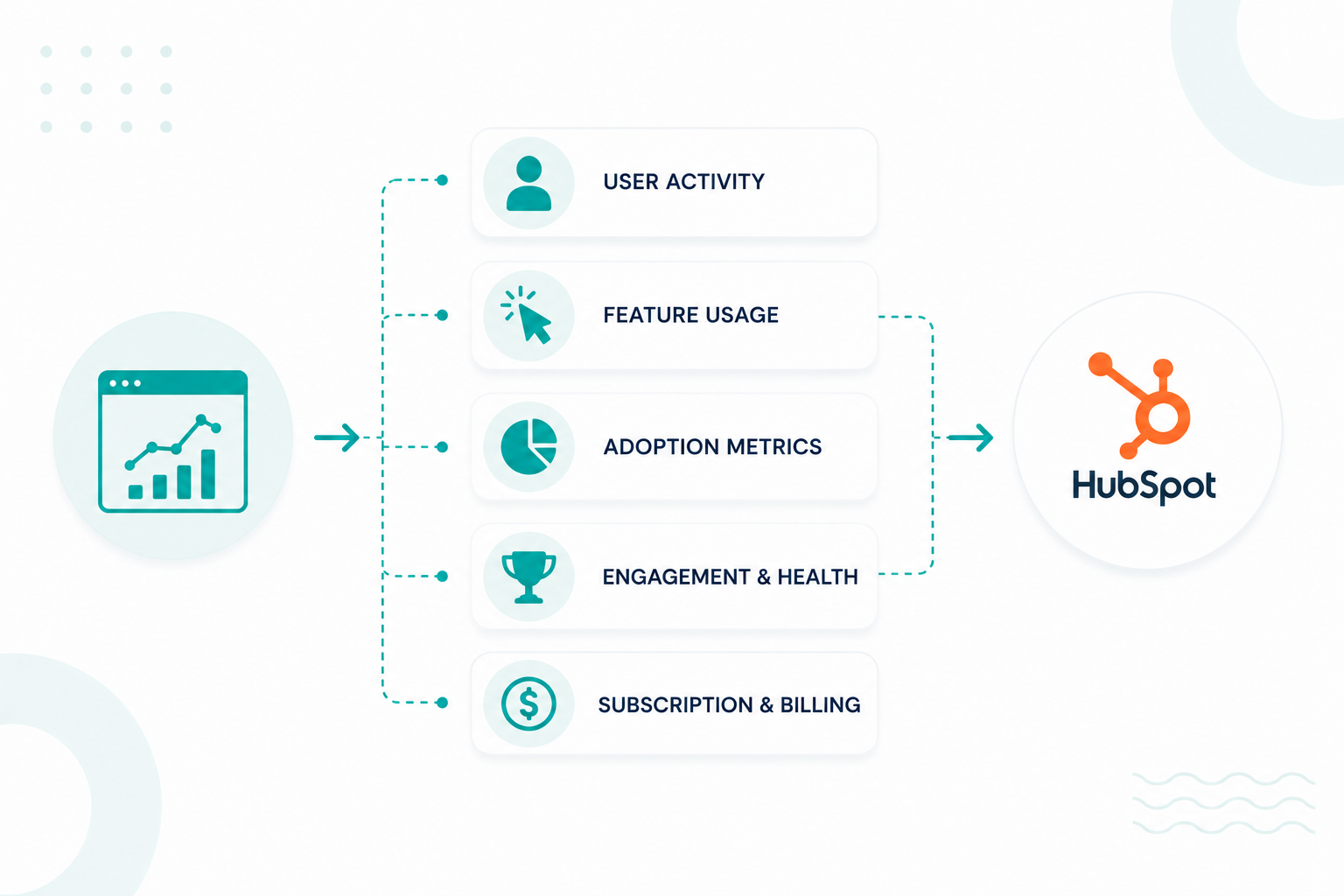
Product data includes the customer and account information generated inside your software, such as product usage signals, feature adoption,...
Campaign Creators : 09/23/20
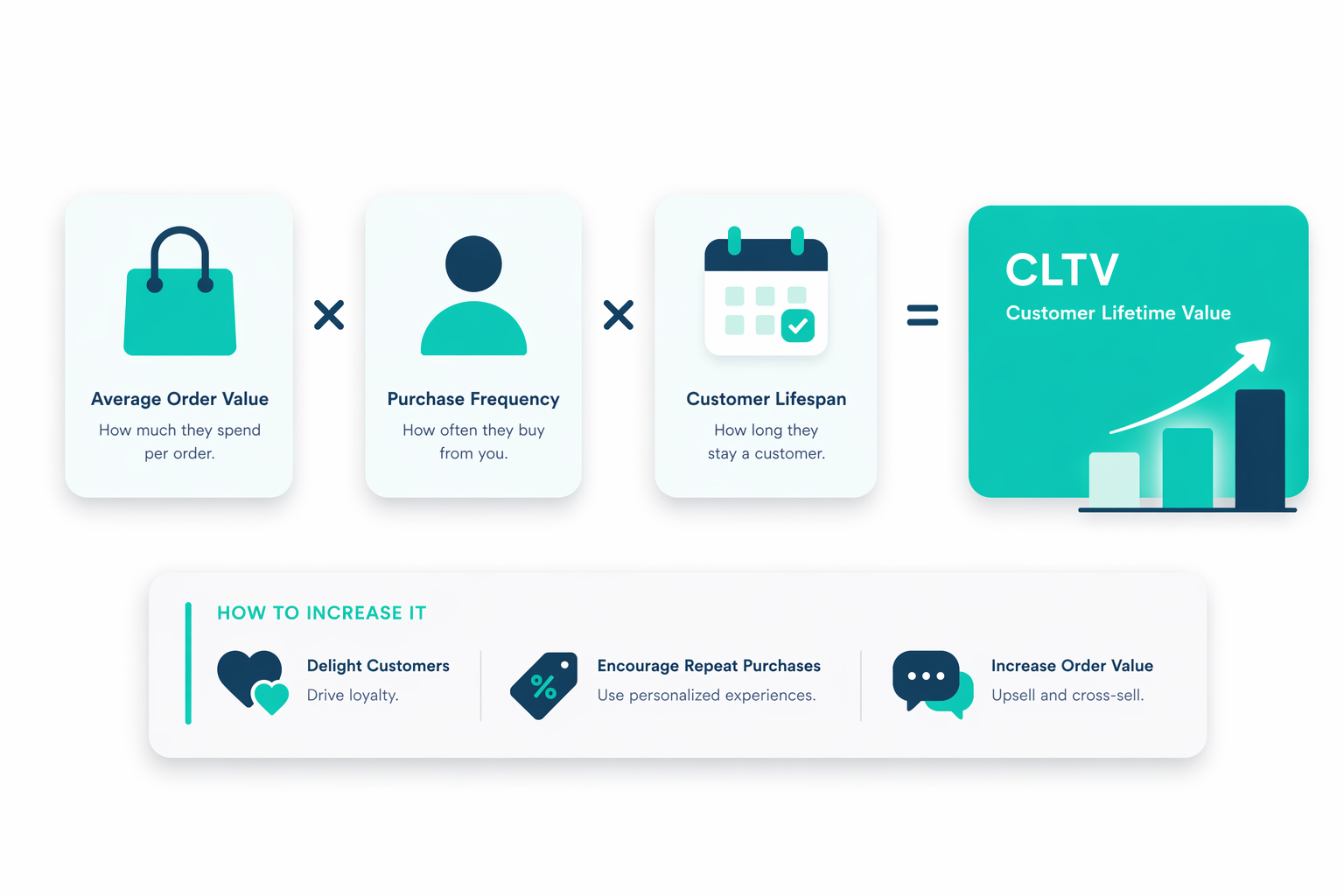
Customer Lifetime Value (CLTV) shifts your focus from one-off sales to the full value each customer brings over time. Instead of relying on single...