






How to Fix Lifecycle in HubSpot and Improve Pipeline Performance
How to Fix Lifecycle in HubSpot and Improve Pipeline Performance Friction arises from the system's structure. You start to notice it in small ways...
I know what I am looking for, and would like to chat.
A team of data-driven marketers obsessed with generating revenue for our clients.
Because the proof is in the pudding.
At Campaign Creators we live by three principles: Autonomy, Mastery, Purpose.
You pull pipeline data from HubSpot, review campaign performance in another platform, and build forecasts in spreadsheets. Each report looks accurate on its own, but they don’t align when you compare them. That is because each system defines and tracks the customer journey differently.
As data moves across platforms, those differences carry through. The same customer shows up in multiple ways, metrics stop matching, and reporting turns into reconciliation instead of analysis. Attribution becomes unreliable, and AI tools reflect those inconsistencies in their outputs.
That is why reporting breaks down. There is no shared structure connecting how data is defined and moves across systems. HubSpot becomes that structure when it is set up to standardize definitions, enforce consistency, and unify how teams track the customer journey.

Without a shared data structure, inconsistencies build, and reporting becomes unreliable.
You start seeing patterns like:
The impact shows up in daily decisions. Budget allocation slows down. High-performing channels don’t get enough investment. Low-performing campaigns continue longer than they should. Teams spend more time validating numbers than acting on them. Momentum drops, and opportunities are missed.
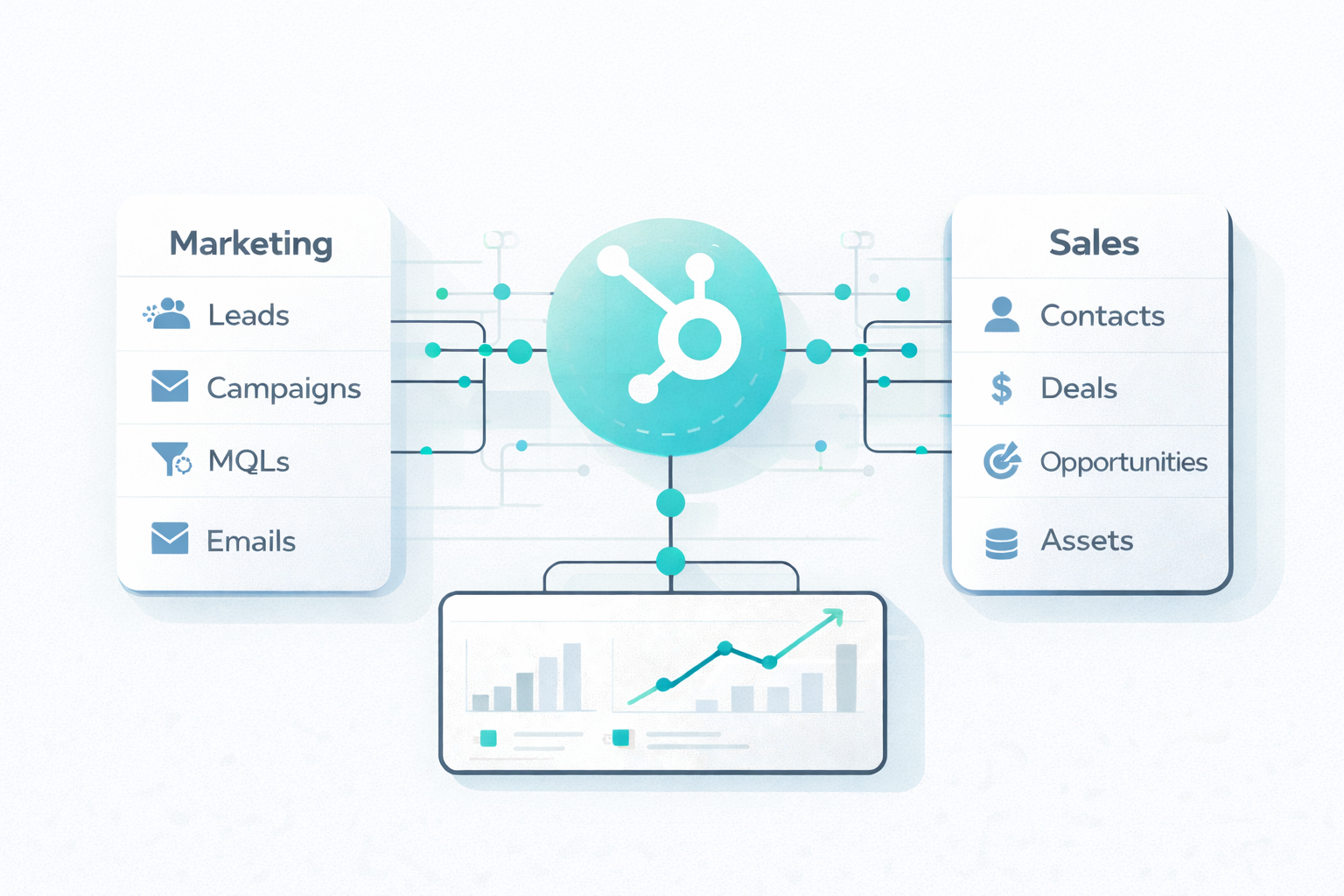
Unified data in HubSpot means marketing and sales work from the same definitions of lifecycle, engagement, and pipeline. It becomes the operational layer that reflects how your customer journey actually works day to day.
At its core, HubSpot brings sales data, tools, and teams into a single platform, so tracking stays consistent across every stage.

Your data warehouse still exists. It stores historical data, supports analysis, and powers advanced reporting. The difference is that both systems now reflect the same definitions.
Think of it this way:
If those answers come from different definitions, your system breaks. If they align, your reporting becomes consistent across all levels.
Leaders usually look for two things early: timeline and impact. Both need to be grounded in what actually changes inside the business.
Most organizations need 8 to 12 weeks for meaningful alignment, but that time is not spent evenly. Each phase solves a different problem:
This phased approach prevents the common issue where systems are connected quickly but remain inconsistent underneath.
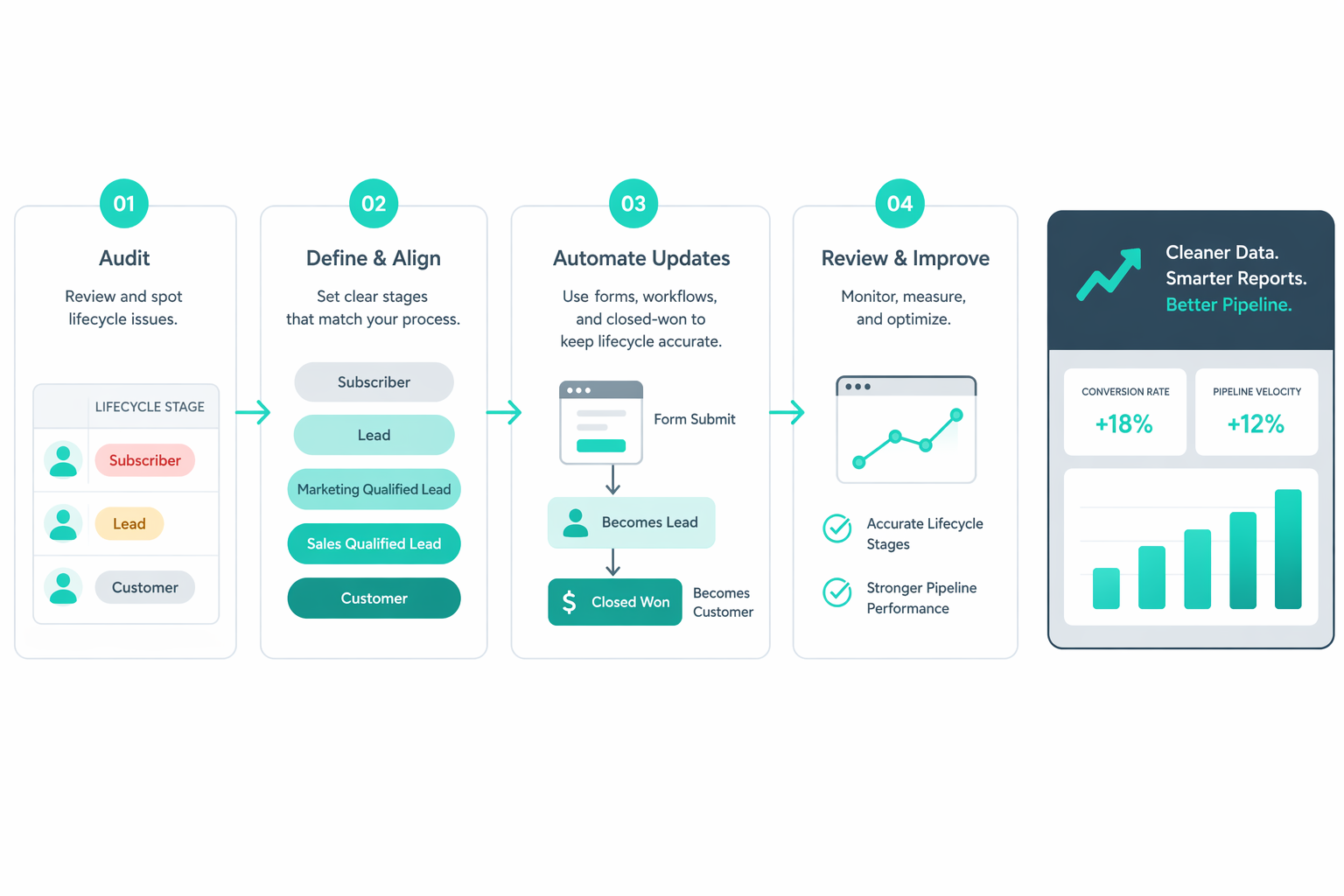
Before touching integrations, marketing, sales, and RevOps need to define core revenue concepts. These definitions must be explicit enough that two people cannot interpret them differently. HubSpot's customer lifecycle stages: reach, acquisition, conversion, retention, loyalty, provide a foundation for this alignment across teams.
For example:
Once defined, these concepts map directly to HubSpot properties:
Ownership needs to be clear. If both marketing and sales can update the lifecycle stage without rules, inconsistencies will appear within weeks.
A practical way to approach this is to document:
This determines whether your system will stay aligned or drift over time.
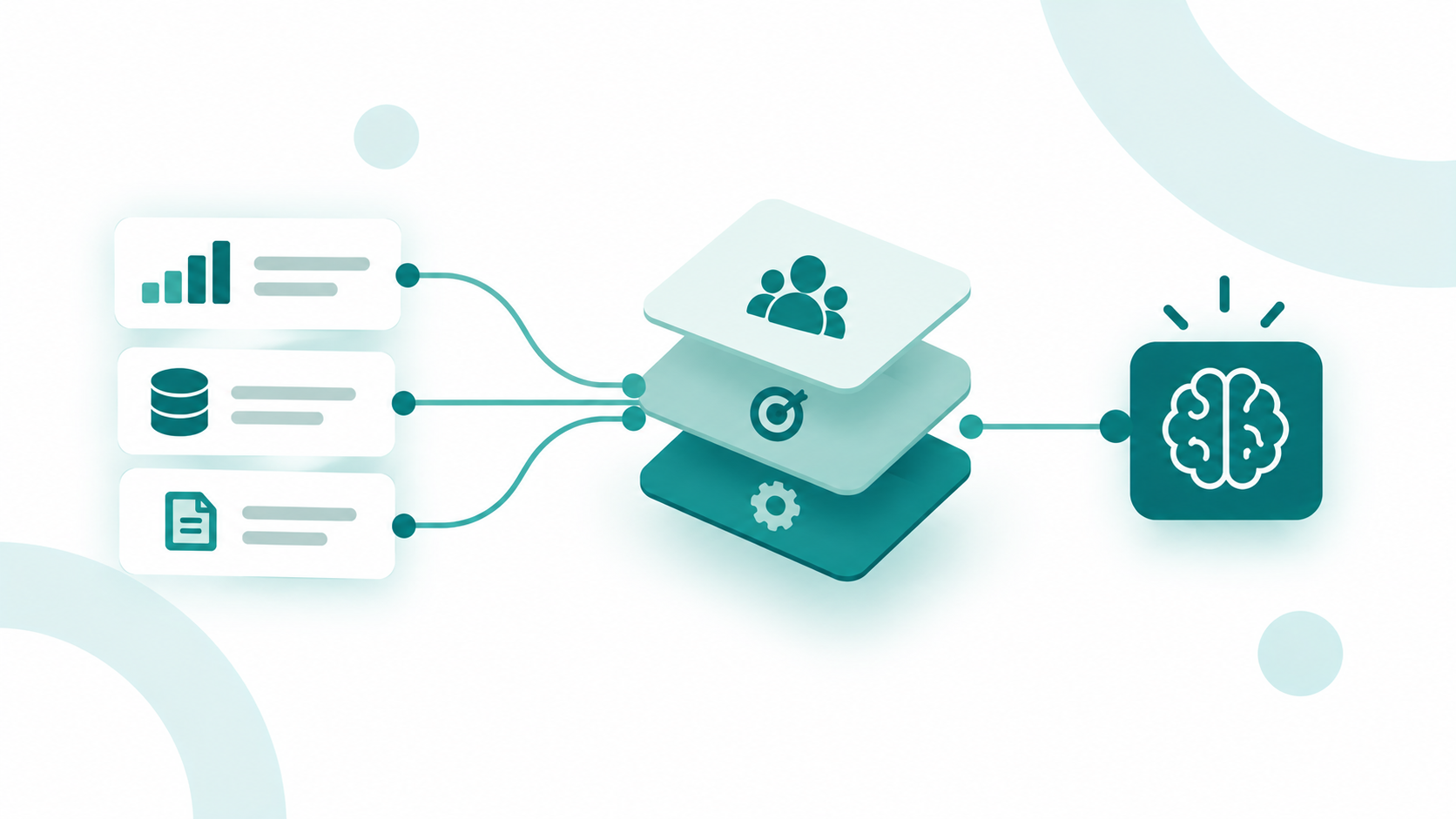
Many teams connect tools directly to each other. This creates multiple paths for the same data, which leads to conflicts. Instead, you want a hub model where HubSpot sits at the center.
In a clean setup:
The important part is control. HubSpot should govern lifecycle and engagement fields. External systems should not override them.
Field design matters more than most teams expect. If “industry” exists as free text, you will see variations like “SaaS,” “Software,” and “Tech.” That breaks segmentation and reporting. Controlled values prevent that issue.
The same applies to source and campaign data. Without standardization, attribution becomes unreliable. This step is about ensuring data behaves consistently once it enters the system.
Cleaning this requires more than merging records. You need rules that prevent duplicates from reappearing. This includes:
HubSpot automatically deduplicates contacts by email and companies by domain, using properties like name, phone, and industry for manual reviews. You can also set custom rules to manage duplicate data.
To configure a custom duplicate rule in HubSpot:
Account structure also needs attention. Contacts should be tied to the correct company. Deals should be tied to the correct account. Roles within accounts should be clear enough for both marketing and sales to use. This creates a full view of the customer journey instead of disconnected records.
A well-designed system only works if daily usage follows the same rules, and that starts with data entry. Forms, integrations, and imports should enforce required fields and standardized values so data is captured correctly from the beginning. If data is entered incorrectly, fixing it later becomes difficult.
This is especially true for attribution. It needs to be captured at the moment of entry, so if a lead comes from a campaign, that information is recorded immediately. Trying to reconstruct it later leads to gaps and inconsistencies.
From there, visibility needs to be shared across teams. Marketing activity, such as email engagement and ad interactions, should appear alongside sales activity such as calls and meetings. This creates a single timeline that both teams can rely on.
With that shared view, sales gains context before outreach, and marketing sees how campaigns influence the pipeline. As a result, alignment becomes part of the system instead of something that needs to be managed manually.
Focus on a core set that defines your business metrics. These typically include:
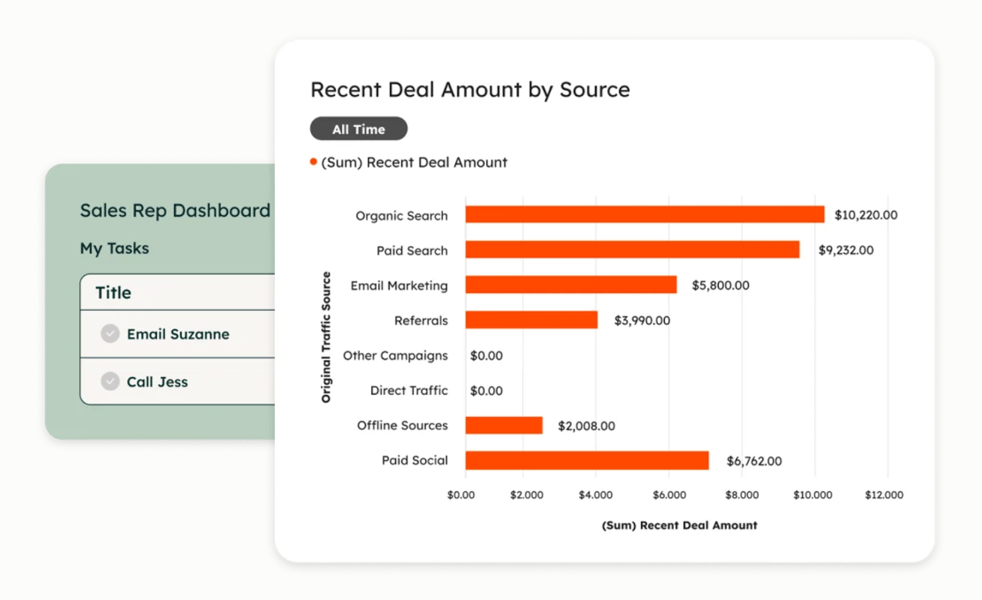
Each dashboard should rely only on governed fields and agreed definitions. HubSpot's attribution reports track interactions like form submissions, page views, and emails to credit marketing efforts accurately. Three types of attribution reports:
Using all three gives you a clearer view of how marketing contributes across the full funnel.
Spreadsheets and BI tools can also support deeper analysis, but they should align with HubSpot. If they produce different numbers, the issue needs to be addressed at the definition level, not adjusted in reporting.

Some issues appear even after systems are connected. They come from how data is defined, managed, and used day to day.
Many teams approach integration as a setup task. Fields get mapped based on similar names instead of shared meaning.
For example, a “Lead Status” field in a marketing tool might mean engagement level, while in HubSpot it reflects sales progress. If both are synced without alignment, reports start mixing two different concepts under one label.
Another example is “Source.” Marketing might use it for first-touch acquisition, while sales may overwrite it during outreach. This leads to attribution reports that shift over time and cannot be trusted. The issue is about the lack of a shared definition behind each field.
Data models need ownership. Without it, they change constantly. For example, marketing might create a new lifecycle field for campaign tracking. Sales might create a similar field for pipeline management. Both exist in the system, but neither is aligned. Reports start pulling from different fields depending on who built them.
Workflows can also conflict. One automation moves a contact to MQL based on engagement, while another updates the lifecycle stage based on form submissions. These rules can overwrite each other and create inconsistent records.
Clear ownership prevents this. Each critical field and workflow should have a defined owner and a process for changes.
Trying to centralize every dataset in HubSpot creates new problems. For example, finance teams often need detailed revenue recognition data that does not fit well in CRM structures. Product teams may track usage data that requires more flexibility than HubSpot allows.
If everything is forced into HubSpot, teams start creating workarounds such as spreadsheets or external tools. This brings fragmentation back in a different form.
A better approach is to define roles for each system:
Alignment matters more than centralization.
Even if your system starts clean, it will not stay that way without governance. New campaigns, tools, and teams introduce new fields and workflows. If these are added without review, your data model becomes inconsistent again.
For example, a new campaign might introduce a custom property for tracking. Another team creates a similar property later. Both are used in reports, but they do not match.
A simple governance process helps prevent this:
Without this, unification becomes temporary. These mistakes often happen after the technical work is complete. Fixing them requires clarity in definitions, ownership, and ongoing management, not just better integrations.
Once your system is aligned, improvements start reinforcing each other. HubSpot reports that 78% of sales leaders say their CRM effectively improves alignment between sales and marketing teams, enabling shared pipeline views.
Attribution becomes reliable enough to guide budget decisions. Sales and marketing share the same view of the pipeline and performance. In HubSpot case studies, aligned teams saw 50% more leads and 300% growth in ICP leads, boosting marketing ROI.
AI tools can prioritize accounts and recommend actions based on consistent signals. HubSpot's 2025 State of Sales Report notes 37% of reps use AI (highest ROI at 31%), with 82% gaining insights from unified data.
More importantly, execution now becomes faster because teams trust the data they are using.
Integrating marketing and sales data in HubSpot changes how your business understands and acts on data.
You move from fragmented systems to a shared structure where lifecycle, engagement, and pipeline are defined consistently. This reduces confusion and improves alignment across teams.
The result is a system that supports faster, more confident decisions and allows every initiative to build on the same foundation.
See how HubSpot becomes your system of truth and performance engine.
It means HubSpot holds the agreed-upon definitions for lifecycle, engagement, and pipeline. Other systems use the same definitions, even if they serve different purposes.
No. HubSpot supports daily operations. A data warehouse supports analysis and historical reporting. Both need to stay aligned in definitions.
Most organizations need 8 to 12 weeks to achieve full alignment, depending on data quality and system complexity.
Attribution depends on consistent source and lifecycle data. If those fields differ across systems, attribution models produce conflicting results.
Start with definitions. Align marketing and sales on lifecycle stages and map them to HubSpot properties before building integrations.
How to Fix Lifecycle in HubSpot and Improve Pipeline Performance Friction arises from the system's structure. You start to notice it in small ways...
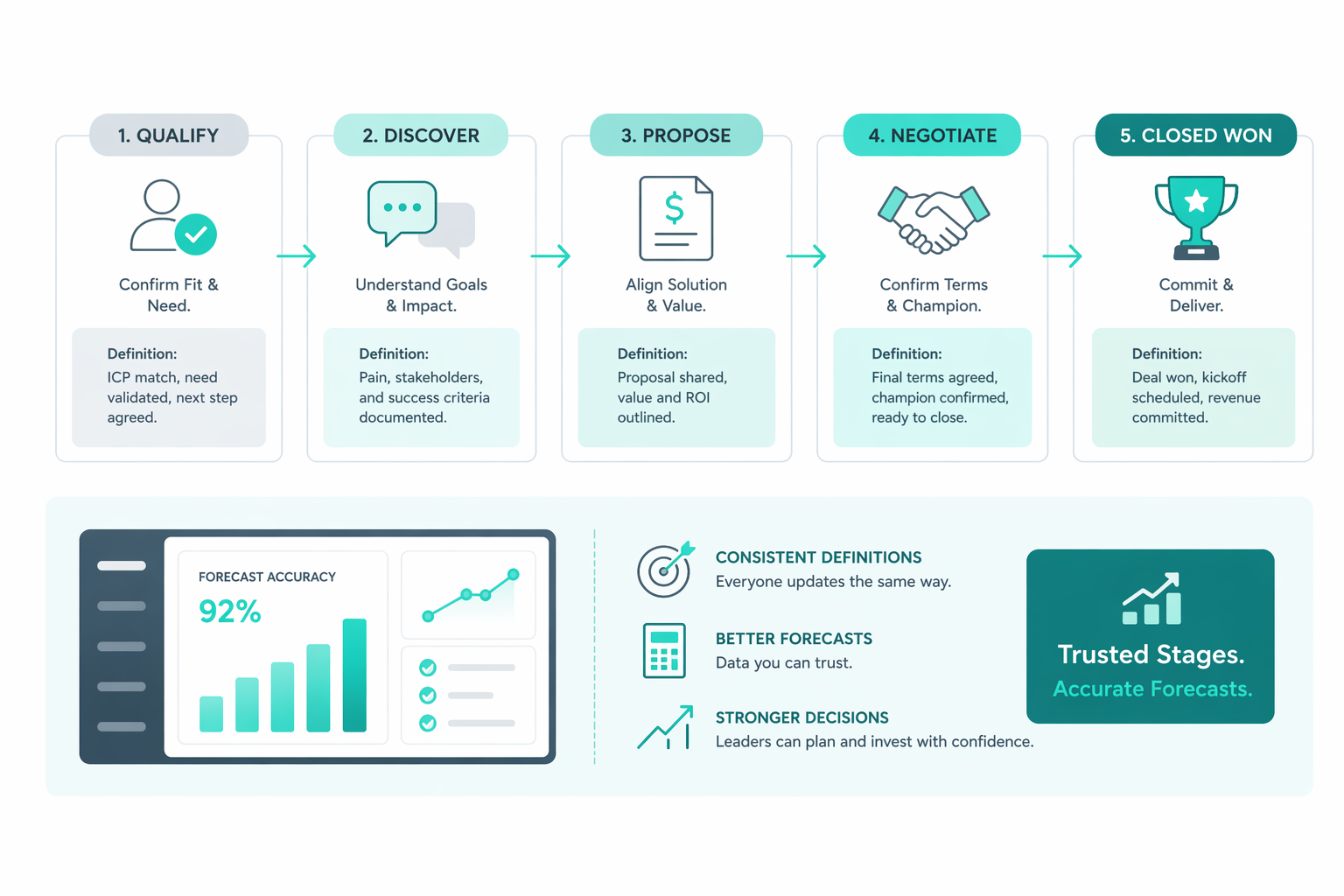
When your system holds conflicting information, each team works from a different version of reality. Marketing sees one story, sales sees another,...
Leadership teams rely on pipeline visibility to judge whether projected revenue reflects real buyer commitment or simply internal optimism. Because...