





Enterprise HubSpot Marketing Hub Onboarding: Complete Implementation Guide
Many enterprise implementations encounter delays or require costly rework because teams prioritize technical configuration before defining business...
A HubSpot Elite Solutions Partner built to help organizations unify strategy, systems, and execution. We design HubSpot systems that scale.
See how we've solved complex HubSpot challenges across migrations, integrations, CMS, automation, and optimization.
Join a team building smarter HubSpot systems. We value strategic thinkers who move proactively, care about quality, and want to do meaningful work.
Free assessments, knowledge, and expert content for your HubSpot.
Enterprise HubSpot implementations often include CRM migrations, custom integrations, workflow automation, and change management across multiple teams. The experience of your implementation partner directly impacts project timelines, user adoption, and long-term success.
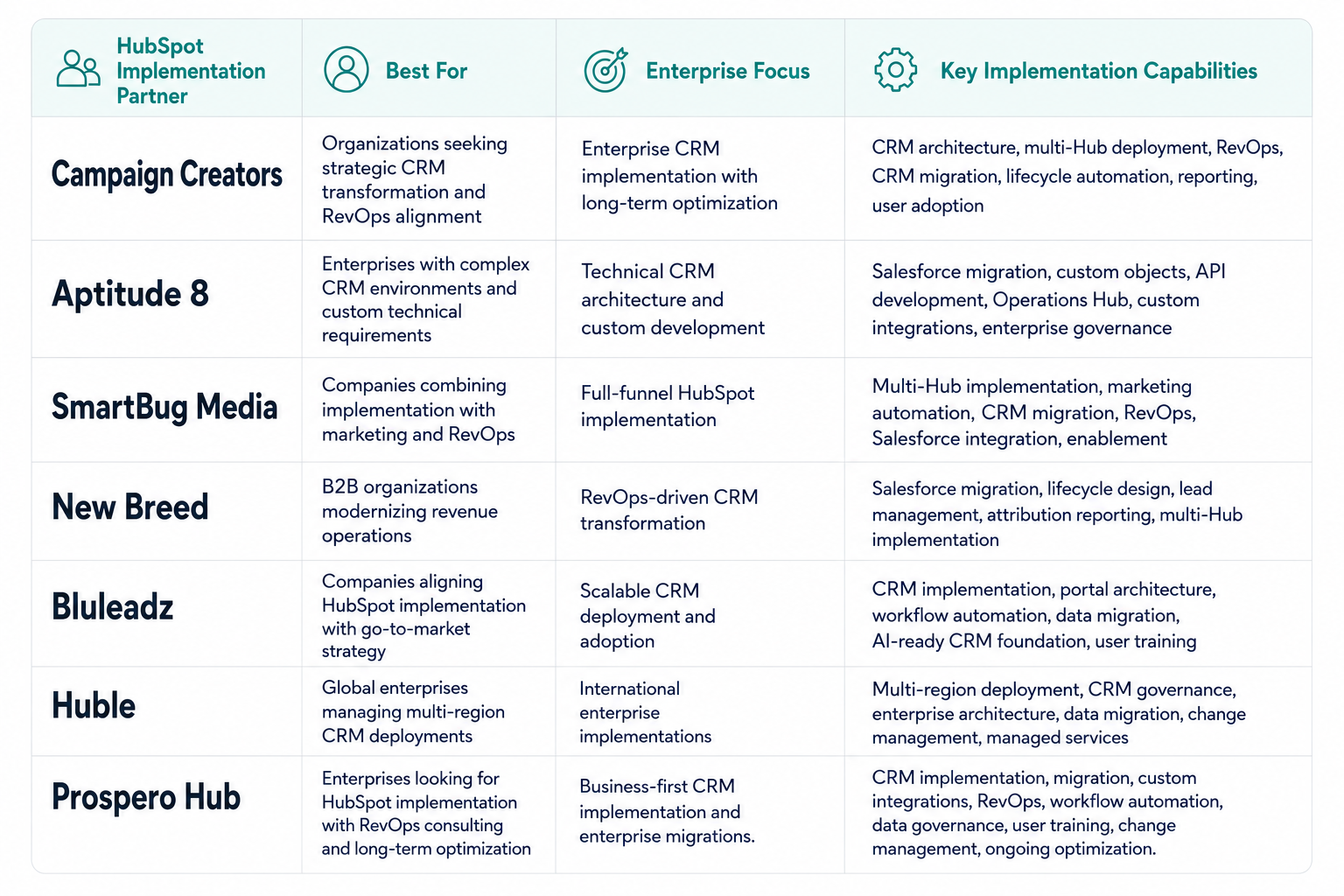
This guide highlights seven of the best enterprise HubSpot implementation partners in 2026 to help you compare their capabilities, enterprise experience, and implementation approach.
Best for: Enterprise organizations looking for a strategic HubSpot implementation partner that combines CRM architecture, RevOps, and long-term revenue growth.

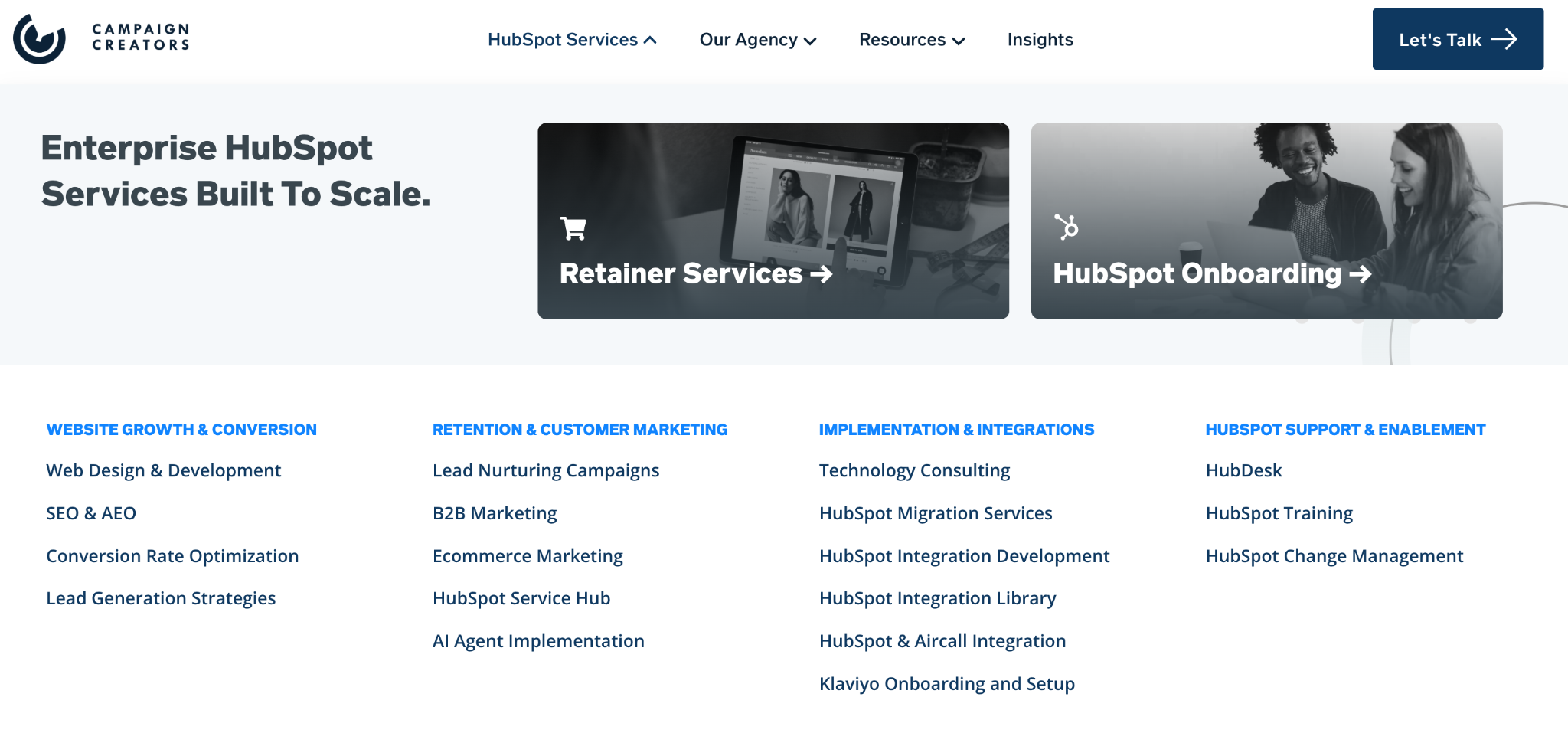
Campaign Creators approaches HubSpot implementation as a business transformation project, not just a software setup. Before configuring the platform, the team works with stakeholders to map revenue processes, customer lifecycle stages, lead management, and CRM architecture so HubSpot fits the way the business operates. Their enterprise implementations often include CRM migration, multi-Hub deployment, automation, reporting, user training, and ongoing optimization.
As a HubSpot Elite Solutions Partner backed by eight HubSpot accreditations, Campaign Creators has demonstrated expertise across multiple areas of the platform. This makes them a strong choice for organizations modernizing their technology stack or rolling out HubSpot across multiple teams.
You can also explore Campaign Creators' case studies to see how they've helped organizations implement and optimize HubSpot.
Best for: Enterprises with highly customized CRM environments and complex technical requirements.

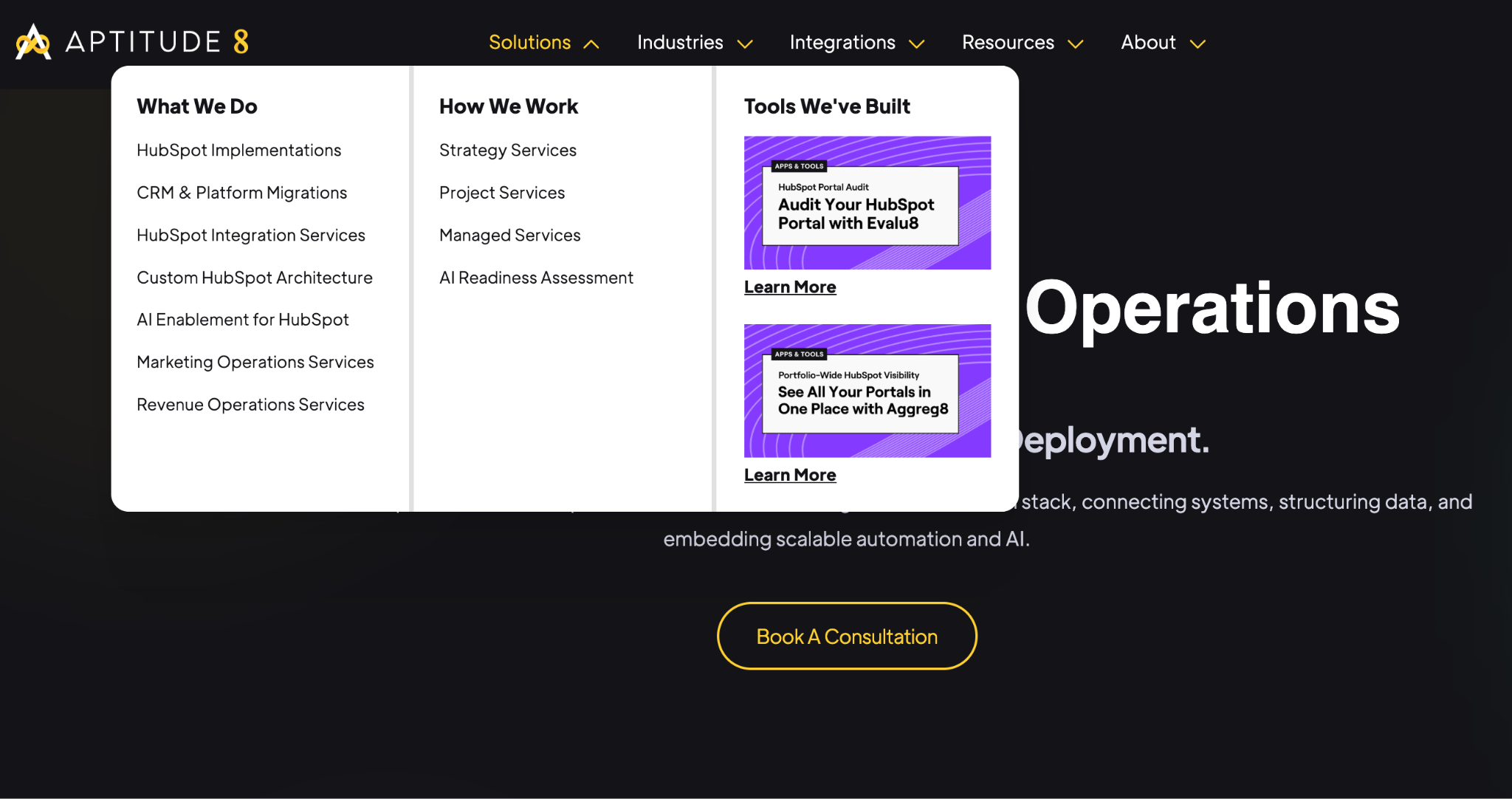
Aptitude 8 positions itself as a technical consulting firm focused on CRM architecture, systems integration, and revenue operations. Its implementations are designed around custom data models, API development, enterprise governance, and scalable automation.
The company also holds HubSpot accreditations in CRM Implementation, Custom Integrations, and Advanced CMS, making it particularly well suited for organizations migrating from Salesforce or connecting HubSpot with ERP, finance, and other enterprise systems.
Best for: Enterprises that want HubSpot implementation alongside marketing execution and revenue operations.

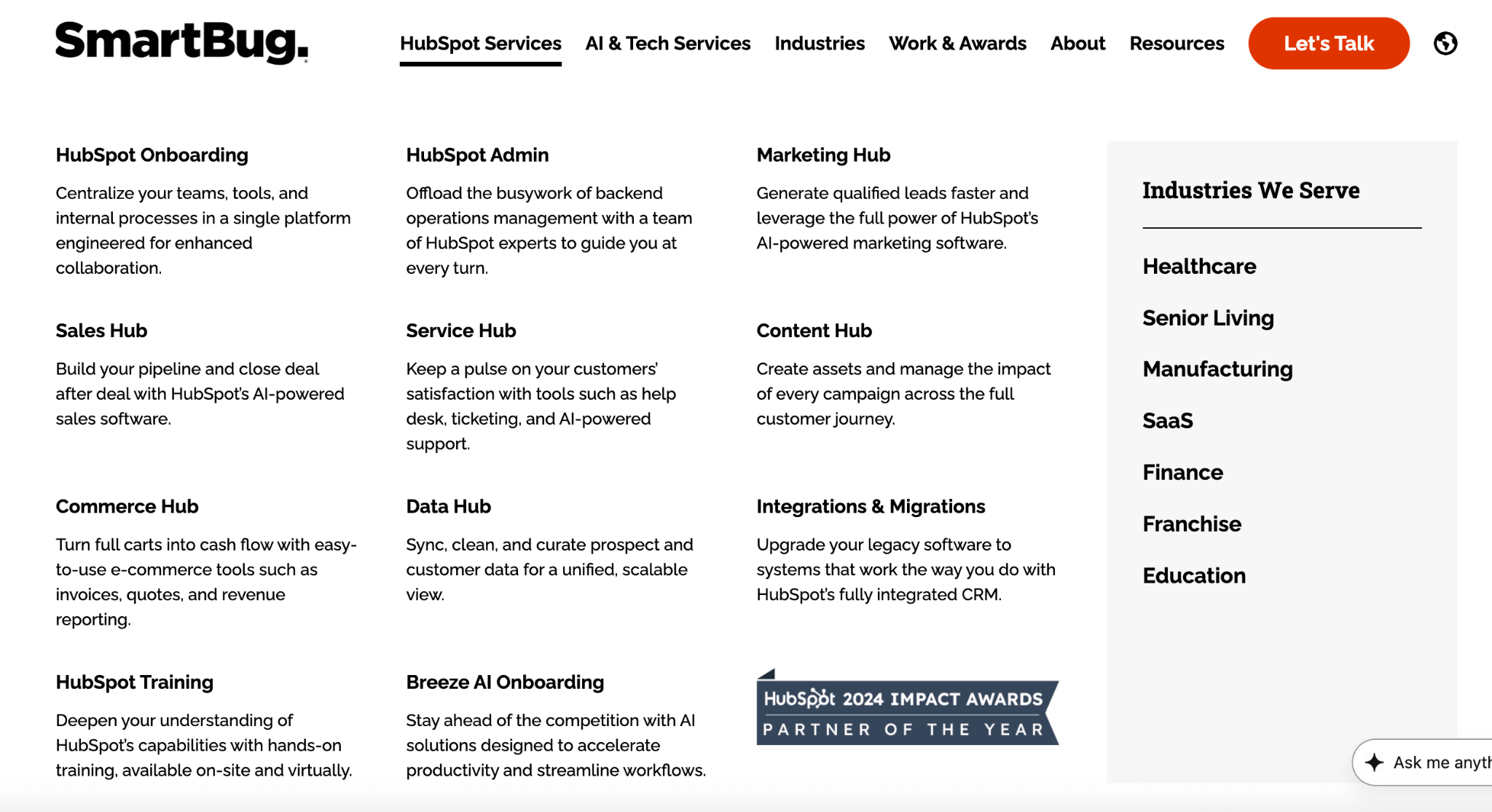
SmartBug Media combines enterprise HubSpot implementation with broader revenue growth services, making it a good fit for organizations that want both technical deployment and ongoing marketing support. Its implementation engagements typically include CRM configuration, lifecycle automation, lead routing, reporting, and integrations across HubSpot Hubs.
Beyond implementation, SmartBug supports adoption through enablement, demand generation, and RevOps consulting. This helps organizations continue improving the platform after launch.
Best for: B2B enterprises modernizing revenue operations or migrating from Salesforce.

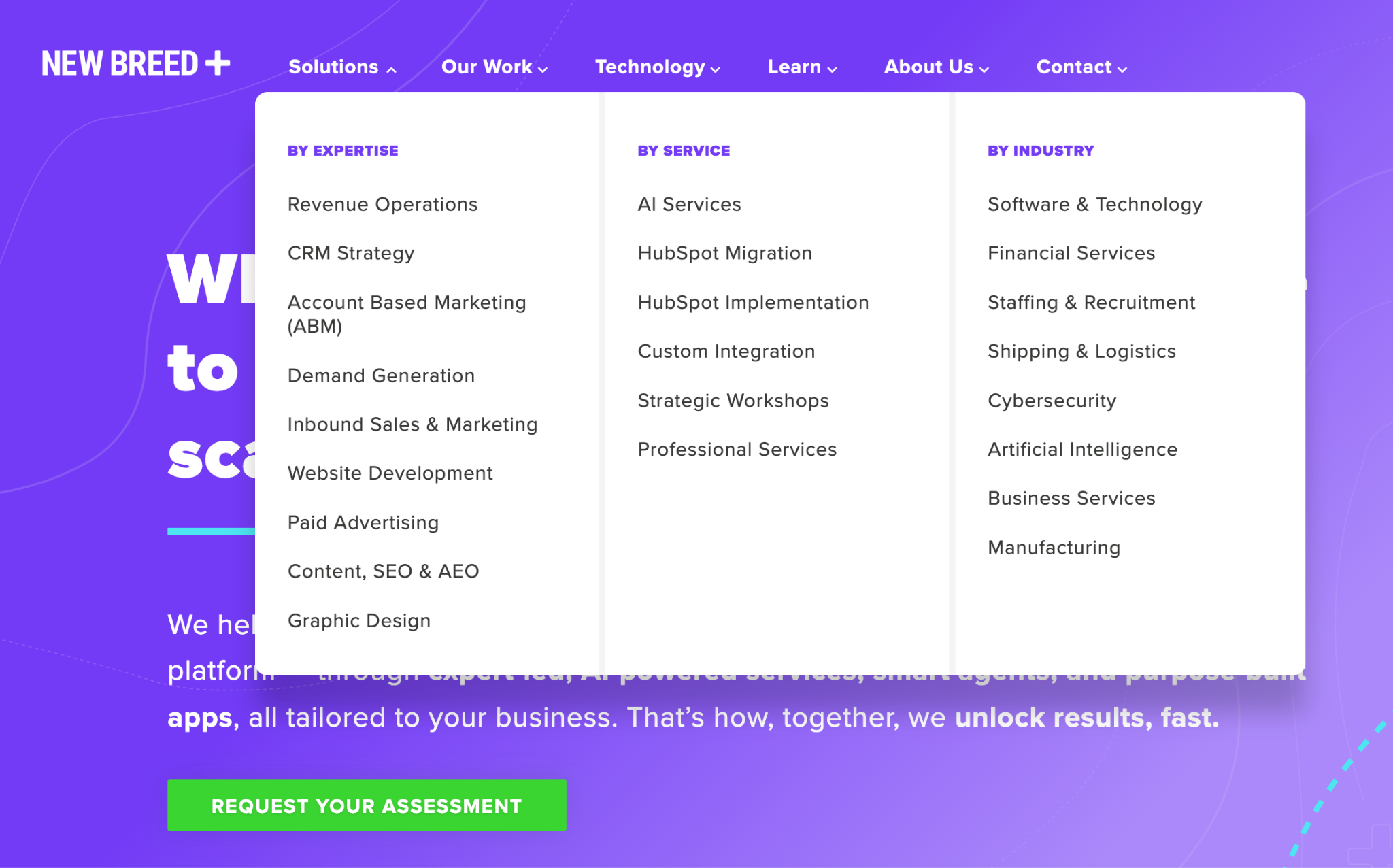
New Breed + implements HubSpot as the operational foundation for B2B revenue teams while supporting CRM modernization initiatives. Its projects often begin with redesigning lead management, lifecycle stages, attribution models, and cross-functional processes before migrating data and configuring HubSpot. This RevOps-first methodology makes New Breed particularly well suited for organizations looking to align marketing, sales, and customer success around a unified operating model.
Best for: Companies seeking HubSpot implementation combined with go-to-market strategy and operational alignment.

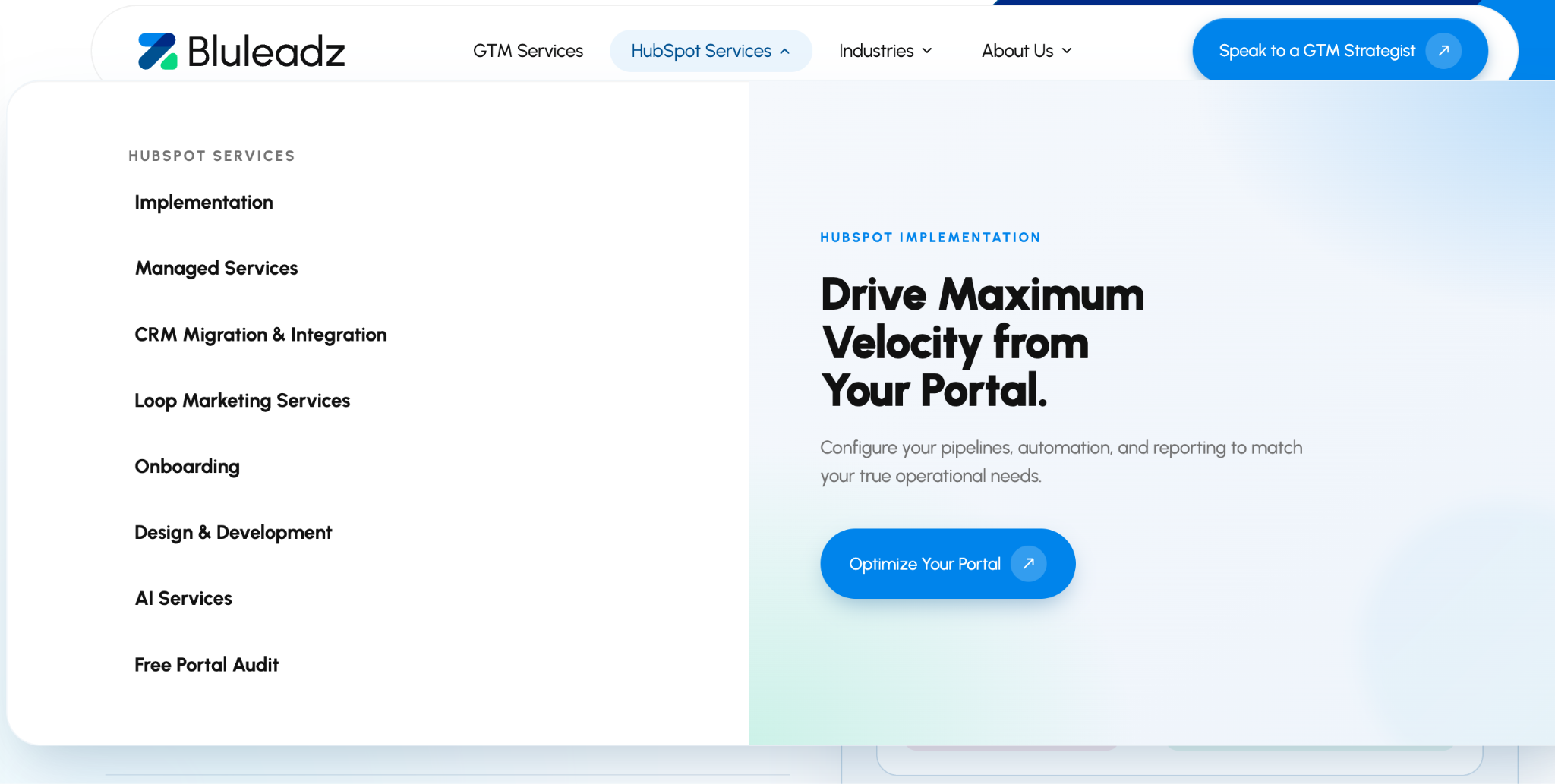
Bluleadz emphasizes building a clean, scalable HubSpot environment before organizations begin expanding automation or AI initiatives. Its implementation methodology starts with technical discovery and architecture, followed by portal engineering, CRM migration, workflow configuration, and structured user training to improve adoption.
The agency also holds HubSpot's Solutions Architecture Design Accreditation and positions its work around scalable CRM architecture that supports long-term growth.
Best for: Global enterprises managing large-scale, multi-region HubSpot deployments.

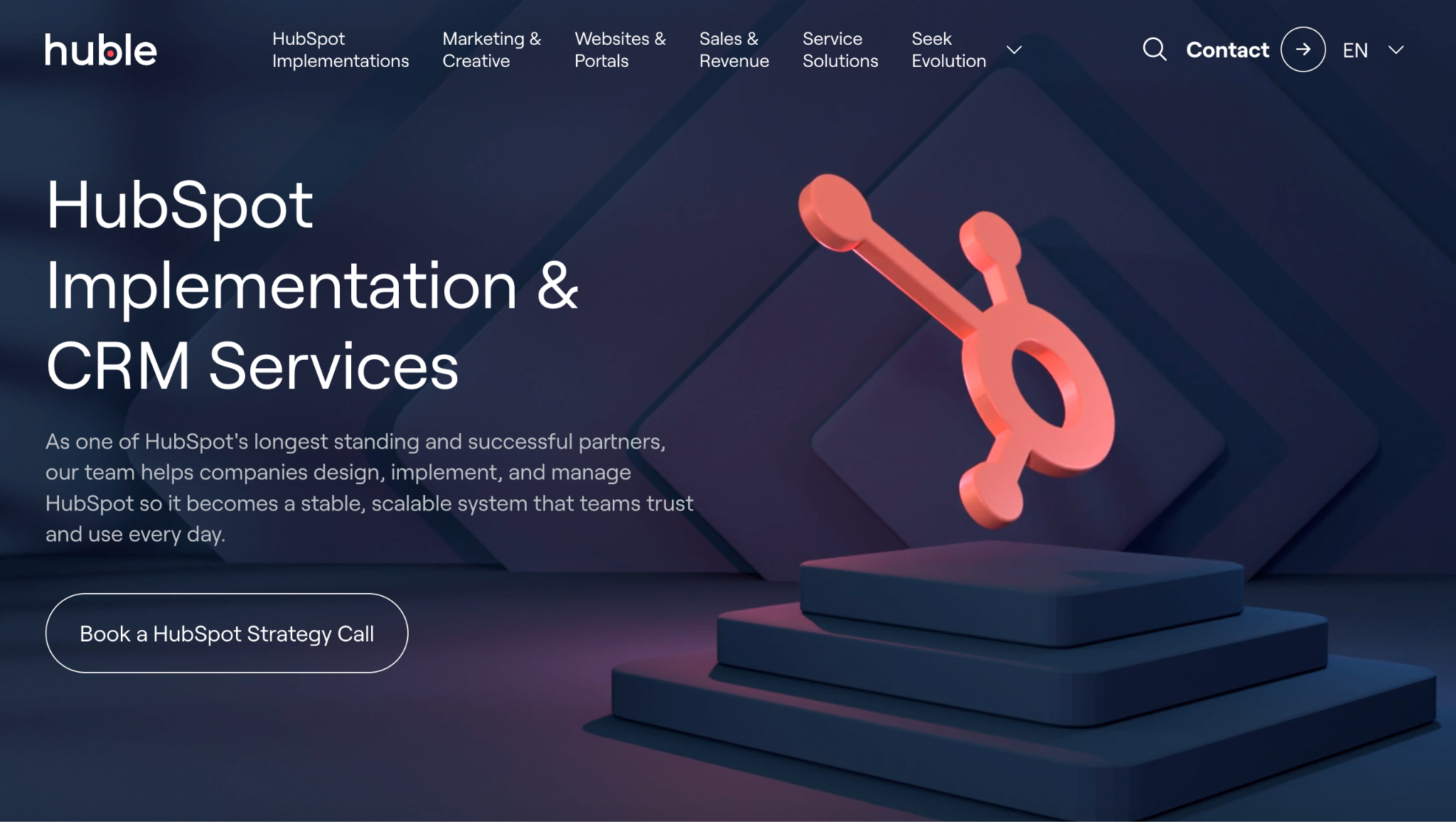
Huble focuses on enterprise CRM programs that span multiple countries, business units, and operational models. Its implementation methodology covers process engineering, CRM architecture, governance, integrations, data migration, testing, change management, and post-launch managed services.
The company is particularly recognized for helping multinational organizations unify CRM operations, standardize processes, and improve adoption across distributed teams. Huble also holds ISO 27001 and ISO 9001 certifications and multiple HubSpot implementation accreditations.
Best for: Enterprise organizations looking for HubSpot implementation backed by RevOps consulting, CRM migration, and long-term platform optimization.

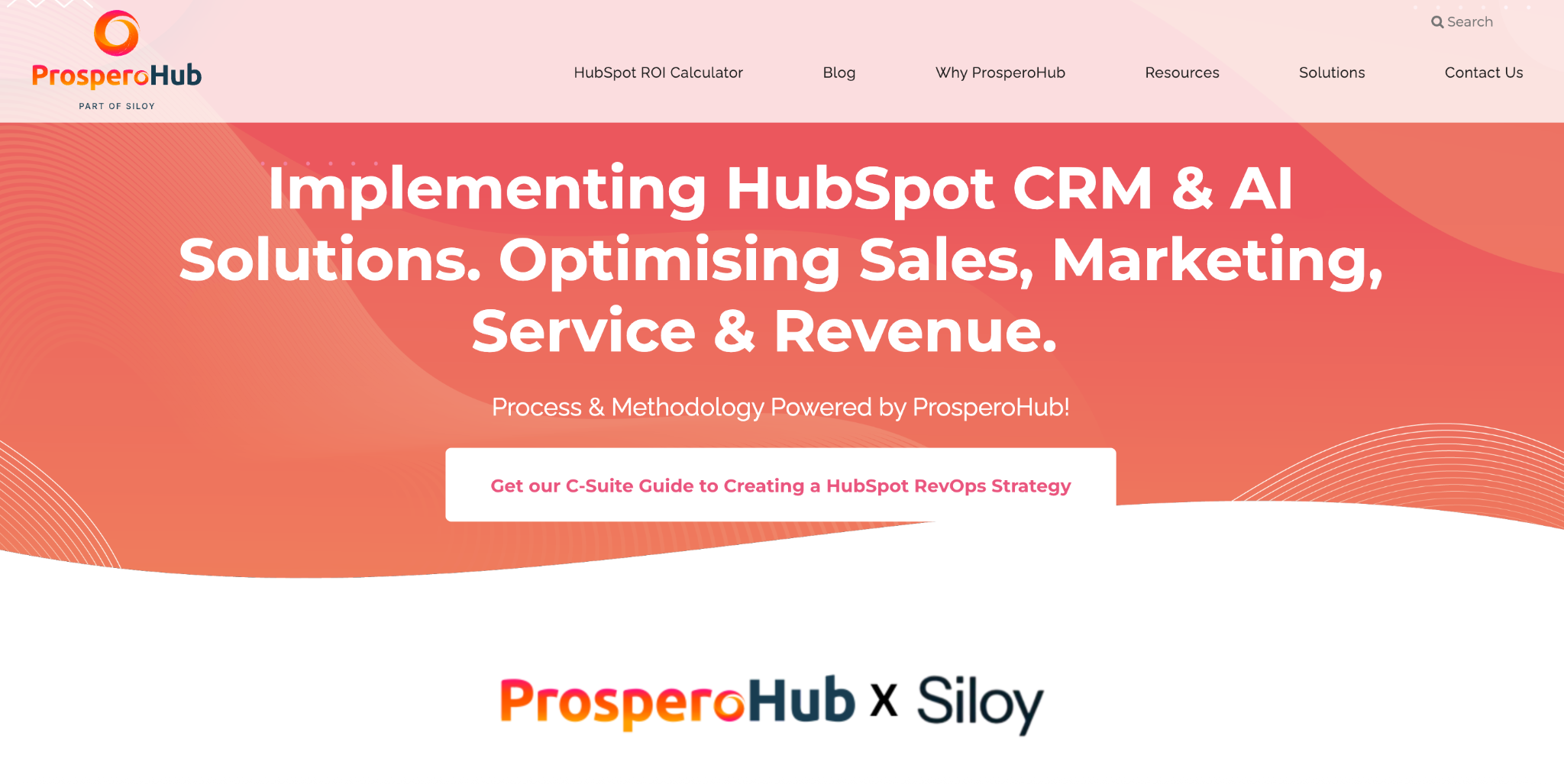
ProsperoHub takes a business-first approach to HubSpot implementation by aligning your CRM with your sales, marketing, and customer success processes before configuring the platform. Its services cover CRM implementation, data migration, custom integrations, automation, user training, onboarding, and ongoing optimization to help organizations maximize adoption and long-term ROI.
The company has also supported hundreds of organizations with HubSpot implementations using a structured roadmap focused on governance, change management, and user adoption.

If you'd like to evaluate more options, you can browse the full HubSpot Partner directory here.
Look for agencies with experience in projects similar to yours, such as:
The closer their experience aligns with your requirements, the less likely they'll encounter problems they're solving for the first time.
A quality implementation starts with discovery and not configuration. The agency should spend time understanding your sales process, customer lifecycle, reporting requirements, and operational challenges before building anything in HubSpot.
Ask whether their implementation process includes:
If a partner jumps directly into configuration without understanding your business, you may end up recreating inefficient processes inside a new CRM.
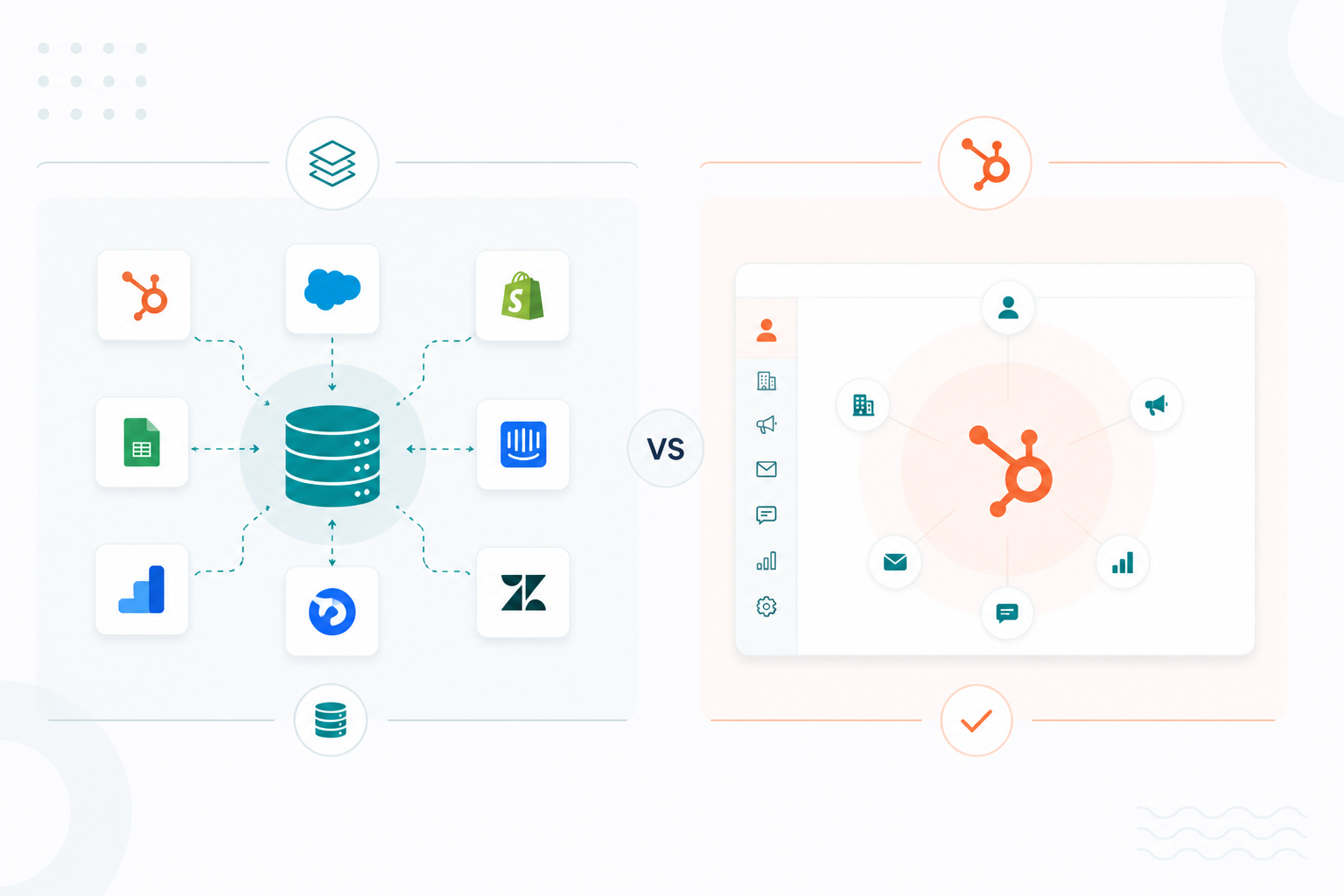
Enterprise CRM projects often require more than standard HubSpot configuration. Depending on your environment, the agency may need to migrate large datasets, build custom integrations, or connect HubSpot with ERP, finance, or customer support platforms.
Ask about their experience with:
Technical expertise becomes especially important when multiple systems need to work together after implementation.
Ask for case studies that closely resemble your own project. A strong implementation partner should be able to explain:
This gives you a better understanding of how the agency approaches real-world implementations rather than simply showcasing well-known customer logos.
Even the best CRM implementation can fail if employees don't adopt it. Ask how the agency prepares your teams for the new system and whether training is included as part of the engagement.
Look for support such as:
Successful implementation depends as much on user adoption as technical configuration.
Implementation is only the beginning. As your business grows, you'll likely need new automations, reports, integrations, and process improvements.
Ask whether the agency offers:
Having a long-term partner can help your CRM continue to evolve with your business instead of becoming outdated over time.
Enterprise HubSpot implementation pricing can vary significantly depending on your organization's requirements. The estimates below represent typical partner fees for common implementation scenarios and should be used as general benchmarks rather than fixed pricing.
|
Project Scope |
Typical Partner Fees |
Typical Timeline |
|
Single Hub implementation with minimal customization |
$5,000–$15,000 |
4–8 weeks |
|
Multi-Hub implementation (Marketing, Sales, Service, Operations) |
$15,000–$40,000 |
2–4 months |
|
Enterprise CRM migration with custom integrations |
$40,000–$100,000+ |
3–9+ months |
|
Global enterprise transformation with multiple business units |
$100,000–$500,000+ |
6–12+ months |
HubSpot notes that enterprise partner engagements commonly range from $10,000 to $500,000 annually, with projects lasting anywhere from 6 weeks to 12 months.
For the most accurate pricing, ask your shortlisted HubSpot implementation partners for a detailed proposal and project estimate based on your specific business requirements.
The biggest driver of implementation cost is project complexity. A business migrating from a simple CRM with a few hundred contacts will have very different requirements than a global organization consolidating multiple systems into HubSpot.
Common cost factors include:
The more systems, teams, and business processes involved, the more planning, testing, and technical work the implementation requires.
The implementation fee is only one part of the total investment. Organizations should also account for:
Many organizations continue working with their implementation partner after launch through monthly retainers or managed services to improve automation, reporting, and user adoption as business needs evolve.
According to HubSpot's 2025 ROI Report, 95% of customers achieve a positive ROI, 89% report increased productivity, and 84% see higher company revenue after adopting the platform. Additionally, most customers report no additional implementation-related costs during the first year, resulting in average savings of more than $100,000 over the first two years through platform consolidation and operational efficiencies.
HubSpot also reports that organizations begin seeing measurable business improvements within the first six months of implementation, including:
Looking at longer-term customer performance, HubSpot analyzed more than 36,000 customers that had used the platform for at least one year and found that, on average, they achieved:
An enterprise HubSpot implementation is typically worthwhile if your organization:
In these scenarios, the implementation is more than a software deployment. It establishes the operational foundation that supports long-term growth.
If your organization needs a migration, complex integrations, multi-Hub deployment, advanced automation, or enterprise governance, choose a partner with experience in projects similar to yours.
You should also compare each agency's implementation methodology, technical capabilities, change management approach, and post-launch support to ensure your investment aligns with your long-term business goals.
Campaign Creators help enterprise organizations implement HubSpot with a focus on CRM architecture, RevOps alignment, data migration, automation, and user adoption. We'll provide transparent pricing with no hidden fees, so you know exactly what to expect from the start.
Yes. Many enterprise organizations migrate from Salesforce to HubSpot when they want a simpler CRM with strong marketing, sales, and service capabilities.
Not always. Organizations with simple requirements may implement HubSpot internally, but companies with complex migrations, integrations, or multiple business units often benefit from an experienced implementation partner.
Yes. A HubSpot implementation partner can configure custom objects, properties, pipelines, workflows, reports, and integrations so the platform aligns with your business processes.
HubSpot onboarding teaches your team how to use the platform. Implementation is a broader project that includes CRM planning, data migration, automation, integrations, testing, and user adoption.
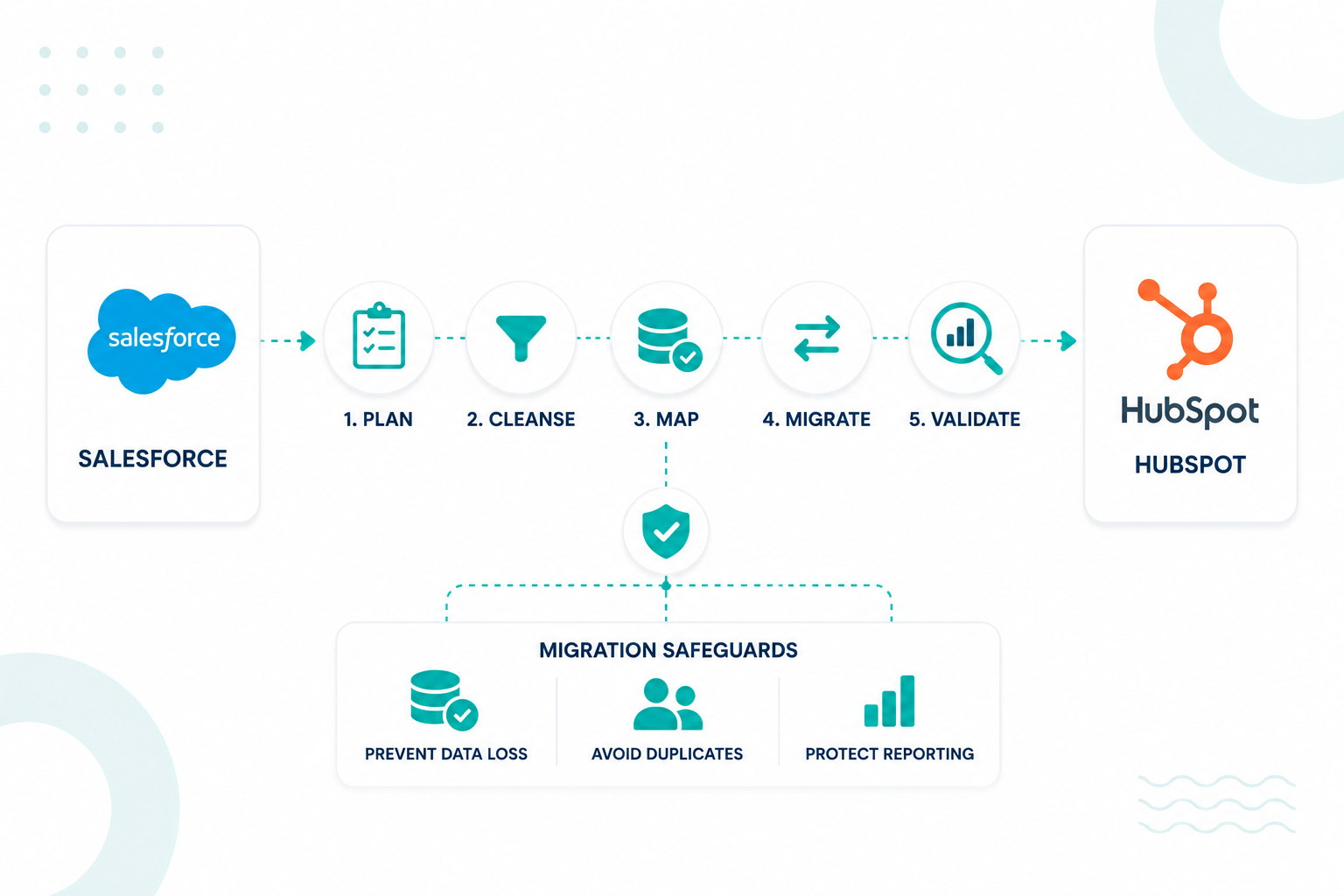
Yes. Many enterprise partners migrate data from multiple CRMs, spreadsheets, and legacy systems into a single HubSpot portal after cleaning, mapping, and validating the data.
Many enterprise implementations encounter delays or require costly rework because teams prioritize technical configuration before defining business...
HubSpot has evolved beyond a traditional CRM into a platform that many businesses rely on as the central source of customer information. As its AI,...
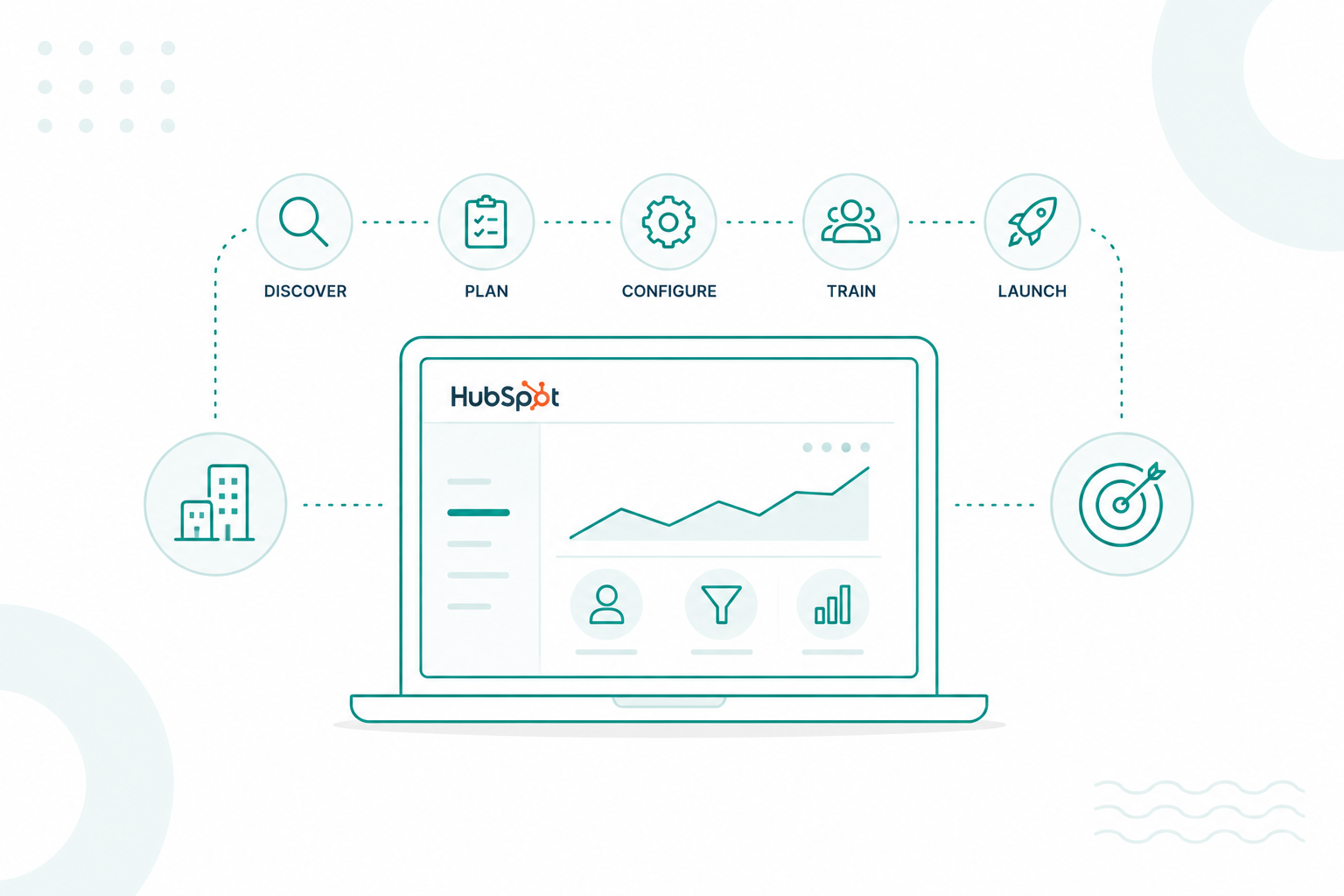
HubSpot subscription fees are only part of the total cost of implementing the platform. Most businesses also need to budget for onboarding, CRM...