






I know what I am looking for, and would like to chat.

8 min read

Homepage Best Practices: How to Design a Homepage That Converts (2026)

Homepage Best Practices: How to Design a Homepage That Converts (2026)

Your homepage acts as your brand’s digital front door. It is the first interaction that shapes how visitors perceive your business.

In most cases, people decide whether to stay or leave within 10 to 20 seconds. That means your homepage doesn’t just introduce your brand, it immediately answers a deeper question: “Am I in the right place?”

If your design, messaging, and layout don’t provide that clarity right away, visitors won’t explore further. They leave, and your conversion opportunities disappear with them.

A high-performing homepage balances three things at once:

  • Clear messaging (what you do and who it’s for)
  • Visual structure (how information is presented)
  • Technical performance (how fast and smoothly it loads)

When these work together, your homepage stops being just a landing point and starts guiding visitors into your revenue funnel.

Your Homepage Shapes Trust Like a Job Interview

The job interview analogy still applies, but it helps to look at it through a revenue lens. When someone lands on your homepage, they are quickly trying to understand a few key things:

  • “What do you actually do?”
  • “Is this built for organizations like mine?”
  • “Can I trust you with a complex problem?”
  • “What is the next logical step for me to take?”

A homepage that does not answer these questions within a few seconds will result in users leaving, and your acquisition costs will increase. Just like in an interview, clarity, confidence, and relevance lead to better outcomes.

Homepage Best Practices That Drive Conversions

1. Clear Value Proposition Above the Fold

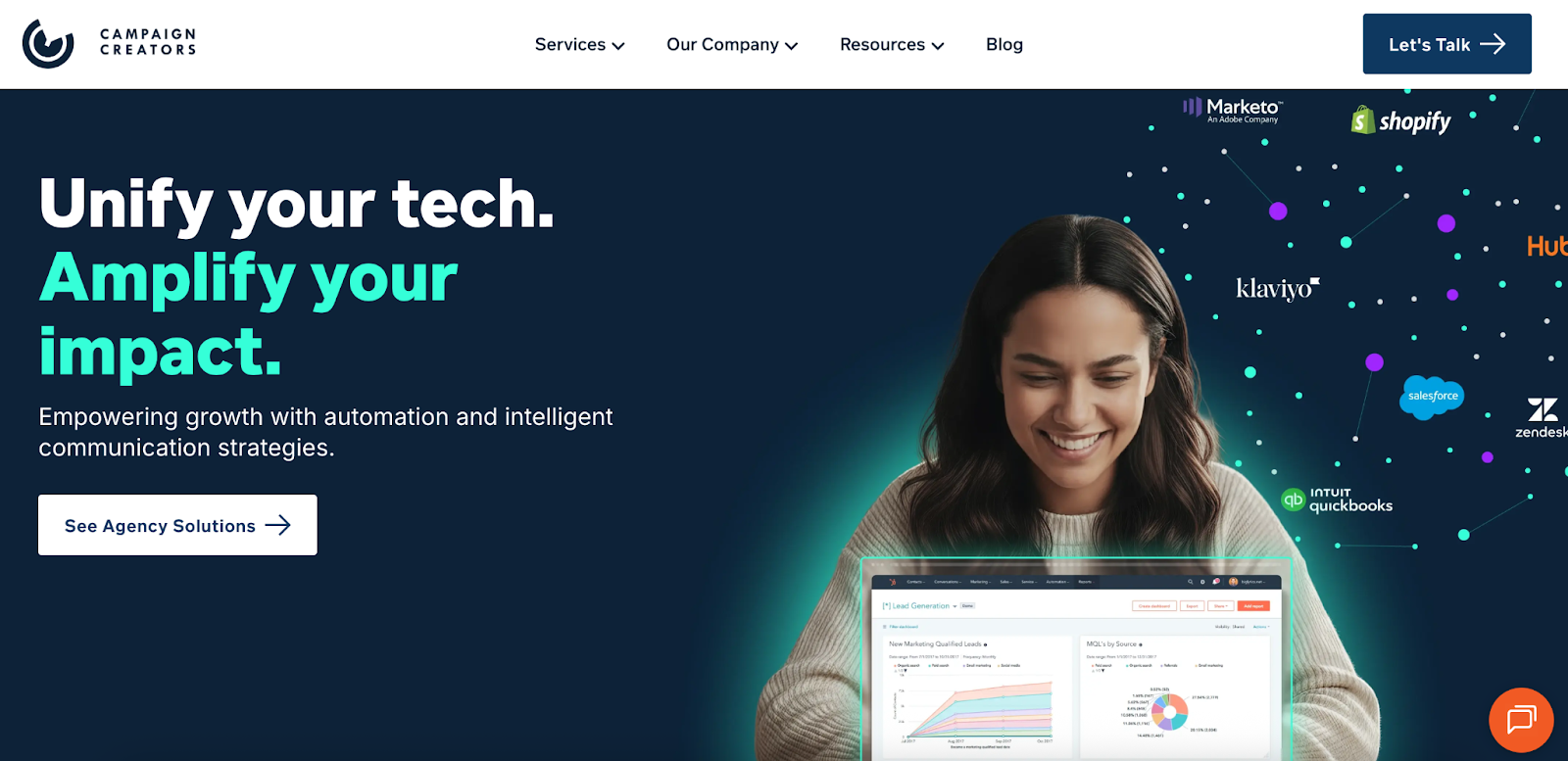
example-of-clear-value-proposition-above-the-fold

The above-the-fold section is your most valuable space. It’s the first thing visitors see and often the only chance you get to keep them engaged.

A strong structure includes:

  • A clear headline (6–10 words): This should explain your offering in plain language. If someone heard it in a casual conversation, they should immediately understand what you do.
  • A supporting subheadline: Expand on the headline with context. Show who you serve and the outcome they can expect.
  • Relevant, authentic visuals: Use real product screenshots, team photos, or actual work. Avoid generic stock images that weaken credibility.

A vague, overly clever, or generic section makes visitors lose interest. They don’t try to figure it out. They simply leave.

2. Strong Headline and Supporting Subheadline

Your headline is the first line people read, so it needs to communicate value immediately without making the visitor think.

A strong headline should:

  • Be clear and easy to understand, not clever for the sake of sounding unique
  • Focus on outcomes your audience cares about, not internal terms or product features
  • Match the intent that brought the visitor to your site in the first place

If someone clicks through expecting a solution to a specific problem, your headline should confirm they are in the right place within seconds.

A subheadline then builds on that first impression. It adds context and helps the visitor understand how you deliver that outcome and who it is for.

A strong subheadline should:

  • Expand on what you offer and how it works
  • Call out the type of customer or use case
  • Connect your solution to a clear, practical result

Practical example: Let’s say you run a B2B marketing agency.

Weak Version

Headline: “We Help Businesses Grow”

Subheadline: “Full-service marketing solutions for modern companies.”

This is too broad and could apply to almost any agency. It does not tell the visitor why they should care.

Strong Version

Headline: “Generate Qualified B2B Leads Without Wasting Ad Spend”

Subheadline: “We help SaaS and service companies turn paid traffic into a sales-ready pipeline through conversion-focused campaigns.”

In the stronger version, you immediately understand:

  • The outcome: more qualified leads
  • The problem being solved: wasted ad spend
  • The audience: SaaS and service companies
  • The approach: conversion-focused campaigns

Visitors do not have to figure out your value when your headline and subheadline work together like this. They see it right away and are more likely to keep exploring.

3. Simple, Intentional Navigation

A new visitor should not have to think about where to click, and your internal team should be confident that each menu item supports how people actually explore and make decisions.

Keep your structure focused and easy to follow:

  • Limit top-level menu items to what truly matters
  • Use plain-language labels (e.g., “Services,” “Resources,” “Pricing”)
  • Avoid cluttered mega-menus unless your content depth demands it, and even then, organize around buyer needs

The navigation should feel intuitive the moment someone lands on your site.

4. Clear Call-to-Action (CTA)

Strong CTAs reduce uncertainty and make the next move feel straightforward and valuable. They should:

  • Use benefit-driven language: Use clear, outcome-focused actions such as: “Book your strategy call”, “Start your free trial,” “Get your custom plan”. This makes it clear what someone receives after clicking.
  • Stand out visually: Your CTA needs to be easy to notice at a glance. Use contrast, spacing, and button design to highlight it as the primary action. A CTA that blends into the page often gets ignored.
  • Appear at the right moments: Place a primary CTA above the fold, so it is visible right away. Repeat it every 1.5 to 2 screen sections so visitors always have access to a clear next step without needing to search.

Clear, visible, and well-placed CTAs help visitors move forward with confidence and reduce drop-off across the page.

5. Social Proof and Trust Signals

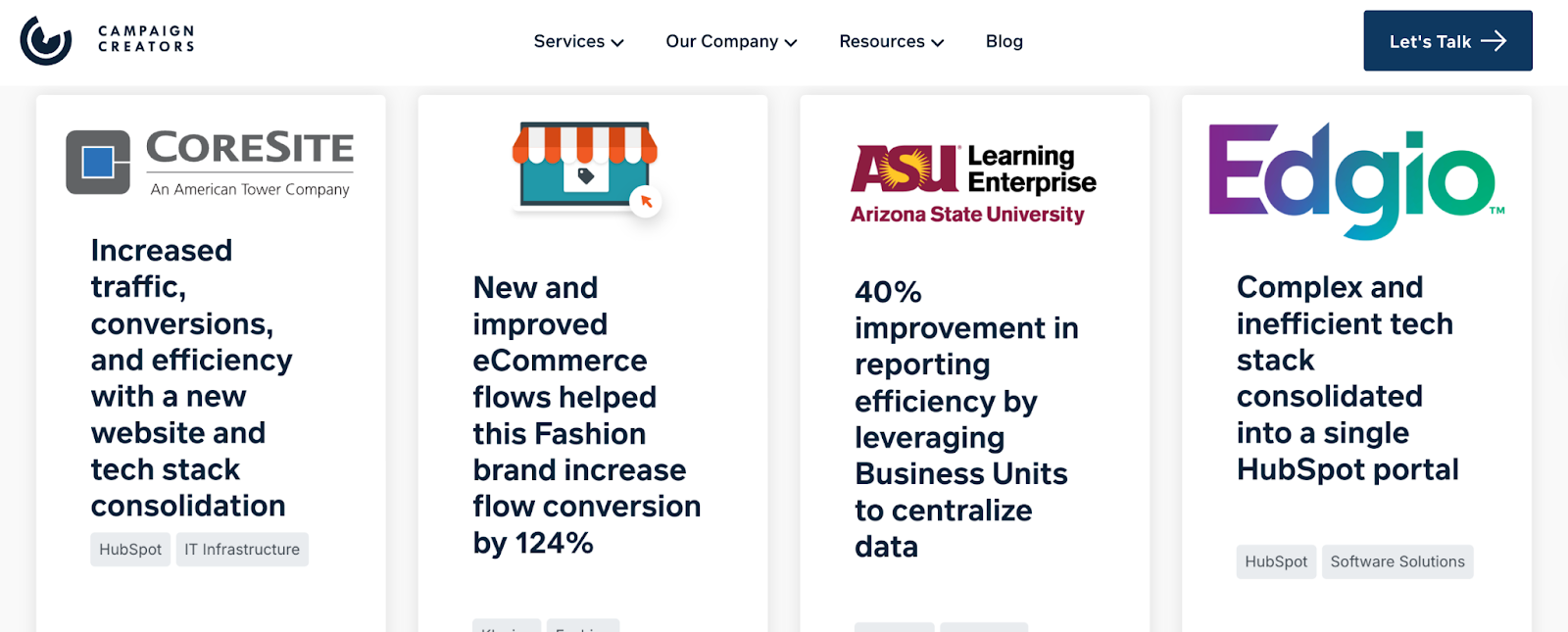
case-studies-with-client-logos-and-measurable-outcomes-campaign-creators

In B2B and complex buying environments, trust plays a direct role in whether a visitor takes action. Clear proof of results and credibility helps reduce hesitation and supports decision-making.

Your homepage should include:

  • Short, specific testimonials from recognizable roles and companies
  • Client logos that reflect your target industries or segments
  • Case studies that show before/after impact and measurable outcomes
  • Third-party reviews or ratings, where applicable
  • Awards, certifications, press mentions, or partnerships help transfer credibility to your brand. (e.g., HubSpot partner tiers, security standards)

Placement matters just as much as content. Social proof should appear near CTAs and key decision points so it supports action at the right moment, not hidden at the bottom of the page.

6. Fast Load Speed and Mobile Optimization

Most website traffic now comes from mobile devices, with around 65% recorded in 2025, so your homepage needs to perform seamlessly on smaller screens.

Focus on:

  • Responsive design: Content should stack cleanly, remain readable, and be easy to navigate without zooming.
  • Tap-friendly elements: Buttons should be large enough and spaced properly for thumb interaction.
  • Fast load times: Pages that take more than 3 seconds to load see significantly higher drop-offs.

To improve performance:

  • Use optimized image formats such as WebP to reduce file size
  • Minimize unnecessary scripts and heavy design elements
  • Use a Content Delivery Network (CDN) to load content faster across locations

Strong performance supports a smoother user experience and increases the likelihood that visitors stay engaged and take action.

7. Strong Visual Hierarchy

Visitors do not read your homepage line by line. They scan for signals that help them understand your message quickly.

Use these principles:

  • Scanning patterns: Structure content based on natural viewing behavior, such as:
    F-pattern (top, then down the left side) or Z-pattern (top left, across, then diagonally to the bottom)
  • Whitespace for clarity: It reduces clutter, separates sections, and helps important elements like headlines and CTAs stand out more clearly.
  • Content prioritization: Break your homepage into distinct sections, each with a clear purpose. Focus on one message at a time so visitors can move through the page without confusion.

A well-structured hierarchy makes your message easy to follow and helps visitors quickly understand what matters most.

For a deeper look at how to drive conversions, you may learn more in this guide: CRO Marketing Hacks to Skyrocket Your ROI.

Examples of High-Converting Homepages

1. Clear Value and Immediate Understanding

Slack

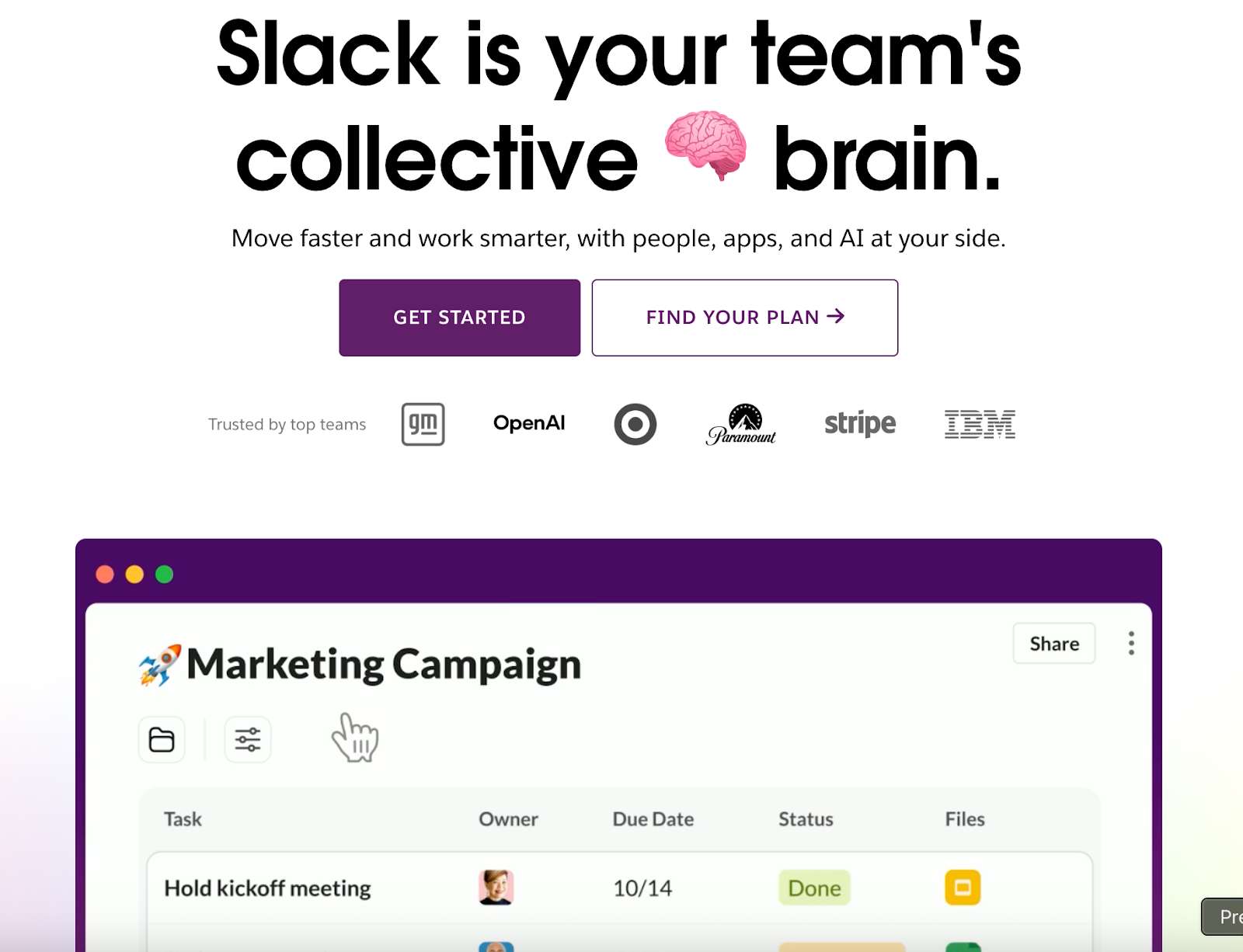
slack-homepage

Slack shows its value the moment you land on the page. You immediately see that it helps teams communicate, and the product interface beside the headline makes that clear right away. The message, visual, and CTA work together on one screen, so you understand what to do next without thinking. This helps more visitors move straight into signing up.

2. Clean Layout and Clear Structure

Notion

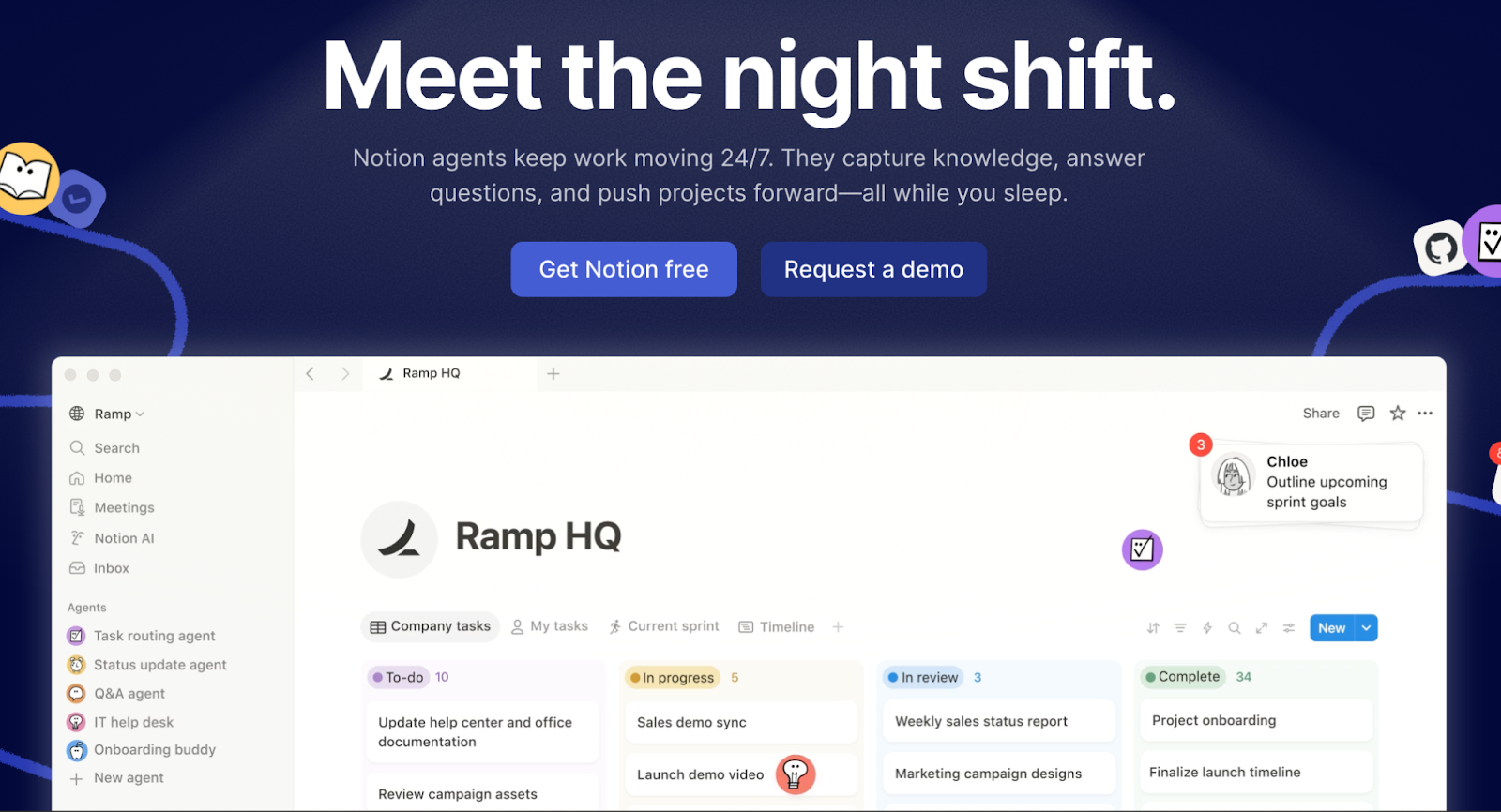
notion-homepage

Notion uses a clean and simple layout that makes everything easy to follow. Each section focuses on one idea, and the spacing helps you move through the page without effort. You can see examples of how the product works, and each part builds your understanding step by step. This homepage keeps you engaged and helps you stay on the page longer.

3. Strong CTAs That Drive Action

Netflix

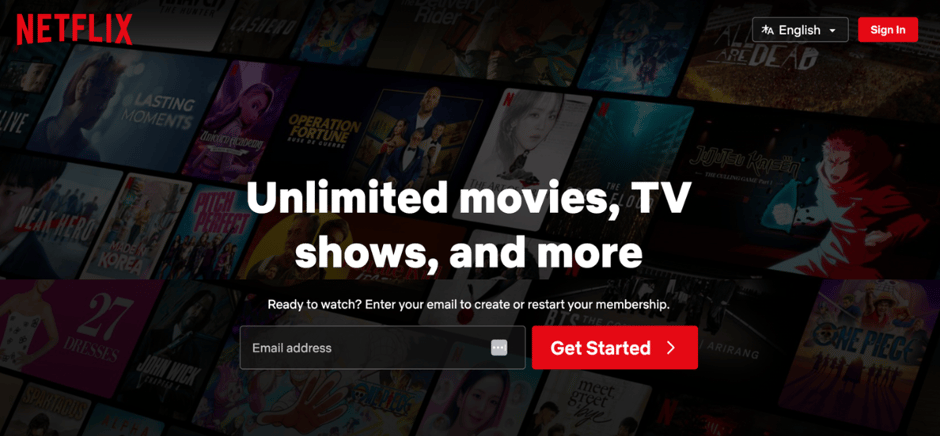
netflix-homepage

Netflix places its call to action right at the center of the page. A simple message and an email field that lets you start immediately. The design removes extra steps, so you can move forward without delay. The same action appears again across the page, which keeps the path clear. This can increase sign-ups because the next step always feels easy.

4. Early Trust and Social Proof

Airbnb

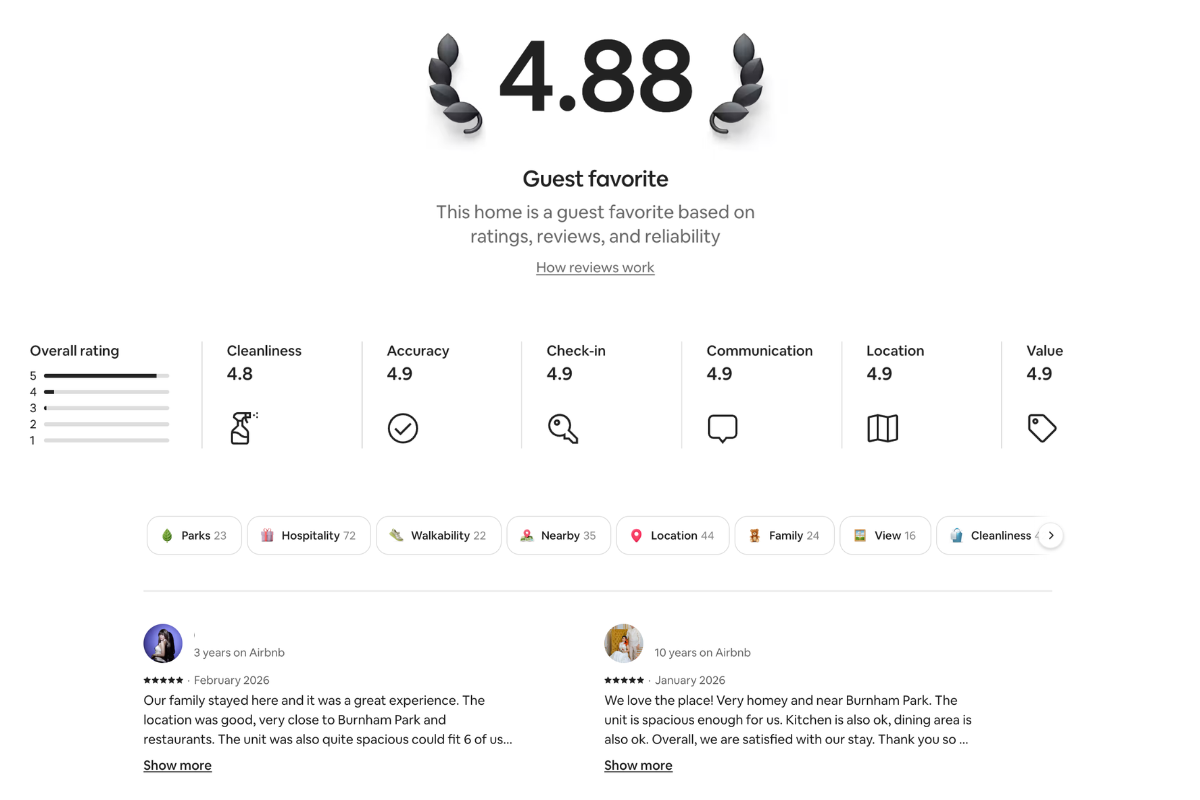
airbnb-ratings-and-testimonials

Airbnb builds trust early through ratings, reviews, and real listings. You can see the proof from other users right away. The visuals and feedback from guests and hosts show real experiences, which help you feel more confident.

5. Alignment With the Full Funnel

HubSpot

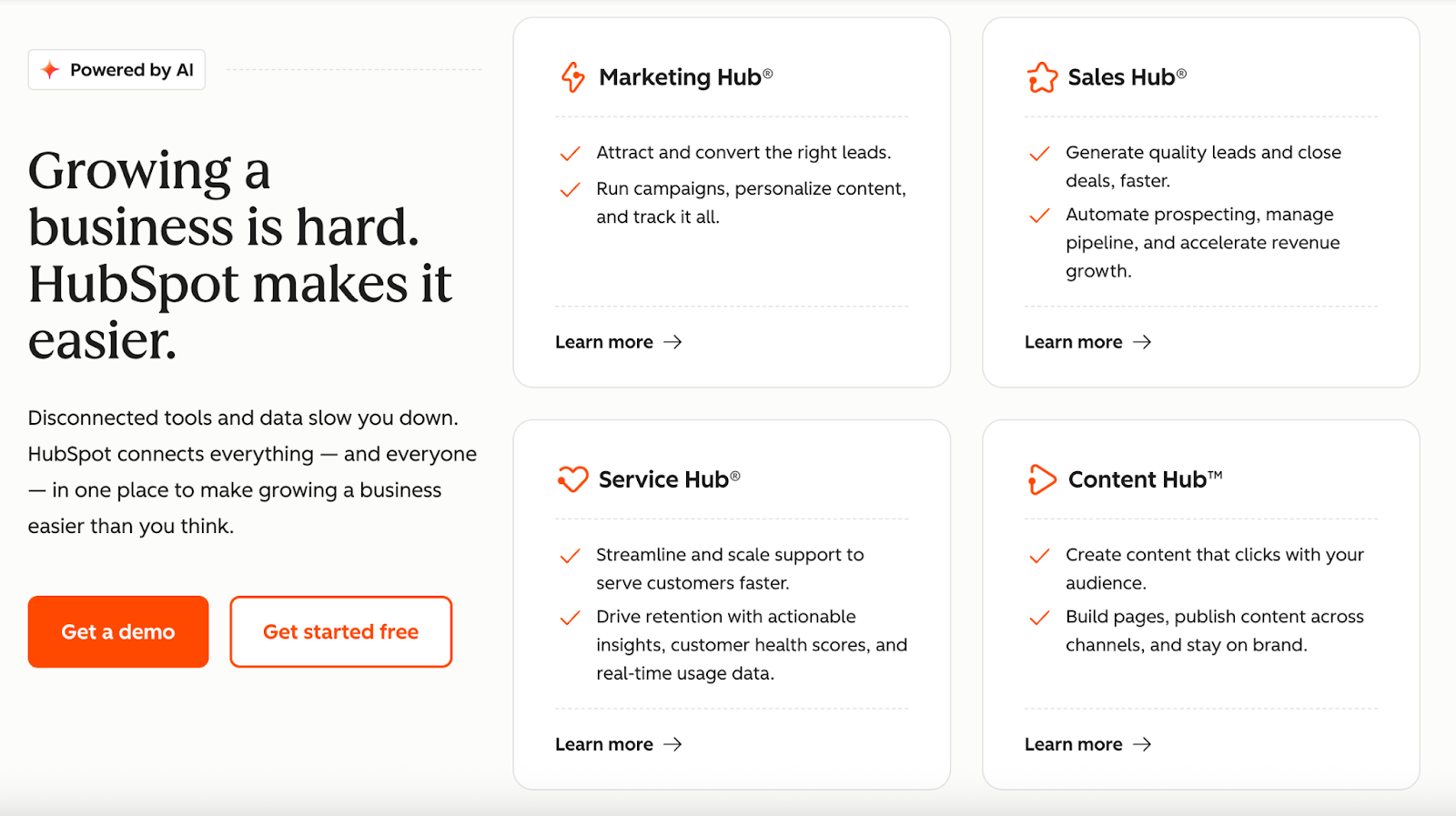
hubspot-homepage

HubSpot connects its homepage with the rest of its marketing and sales journey. The messaging matches what you see in ads and content, so the experience feels consistent. The layout supports different paths, such as starting for free or booking a demo. Each step leads naturally into the next stage. This alignment helps turn visitors into leads and supports longer buying decisions.


All of these homepages follow a simple pattern. You immediately understand the value right away, you see proof early, and you are guided toward a clear next step. This helps turn visitors into users or customers because every part of the page supports a clear action.

How to Improve Your Homepage Over Time

Start by tracking how visitors interact with your page. Look at where they click, how far they scroll, and where they drop off. This helps you understand which sections are working and which ones create friction.

Test key elements that directly impact conversions. Focus on:

  • Headlines and subheadlines
  • CTA copy and placement
  • Section order and layout
  • Forms and conversion paths

Run simple A/B tests to compare variations and identify what leads to more engagement or conversions.

Use tools such as heatmaps and session recordings to see how users actually navigate your page. This often reveals issues that analytics alone cannot show, such as confusion, hesitation, or missed CTAs.

Pay attention to performance metrics that tie to real outcomes, such as:

  • Conversion rate (demo requests, sign-ups)
  • Engagement (time on page, scroll depth)
  • Drop-off points across sections

Small improvements compound as you continue testing and refining. Your homepage becomes more aligned with your audience, clearer in its messaging, and more effective at turning visitors into leads.

Homepage Conversion Checklist: Spot What’s Not Working

Use this as a quick way to spot what might be slowing people down, where small moments of hesitation turn into lost conversions.

  • The value isn’t clear right away: If visitors can’t instantly understand what you do, who it’s for, and why it matters, they lose interest before taking any action.
  • Copy feels dense or unfocused: When your message is hard to scan or lacks direction, visitors hesitate because they have to work to understand it.
  • Call-to-action doesn’t guide the next step: If your CTA is vague or easy to miss, people won’t feel confident enough to move forward.
  • Navigation reflects your internal structure, not user intent: When your menu doesn’t match how users look for information, they struggle to find what they need and leave.
  • Site feels slow or clunky, especially on mobile: A slow load or poor mobile experience disrupts momentum and reduces the chance of conversion.

Any friction, even minor, lowers conversions and drives up acquisition costs. As these issues build, they reveal a deeper optimization gap that needs a more structured approach. Here are 9 signs you need a conversion rate optimization agency.

Turn Your Homepage Into a Conversion Engine!

A homepage that doesn’t convert points to unclear messaging, weak structure, or no clear next step. These gaps create friction that causes visitors to hesitate or leave before taking action.

Our CRO services identify exactly where that friction happens and refine your messaging, layout, and conversion paths into a focused experience that guides users from first impression to action.

Start turning your homepage into a consistent source of leads!

Frequently Asked Questions

1. What should a homepage include?

A homepage should clearly communicate the value proposition, include a strong CTA, simple navigation, and trust signals to support decision-making.

2. What is the goal of a homepage?

The goal is to help visitors understand the offering quickly and guide them toward a relevant next step.


3. How do you design a homepage that converts?

Focus on clear messaging, intuitive navigation, and strong CTAs, then improve performance using data and user feedback.


4. What are the homepage best practices for SEO?

Use clear headings, relevant keywords, fast load speeds, strong internal linking, and a mobile-friendly experience.

5. How long should homepage content be?

Content should be long enough to communicate value clearly, with each section structured for clarity, hierarchy, and scannability.


How to Optimize Your Landing Pages for Maximum Conversions

How to Optimize Your Landing Pages for Maximum Conversions

In the world of inbound marketing, lead generation is top of mind for plenty of digital marketers. Marketing specialists work tirelessly to create...

Read More
How to Boost Conversion Rates on Your ECommerce Checkout Page

How to Boost Conversion Rates on Your ECommerce Checkout Page

Your visitor has found your eCommerce site, selected a product and placed it in their cart. But until they enter their payment info and click the...

Read More
How to Collect Data to Reinforce Your CRO Strategy

How to Collect Data to Reinforce Your CRO Strategy

Importance of Data Collection An actionable conversion rate optimization strategy starts with gaining insight into the hearts and minds of your past,...

Read More