






A HubSpot Elite Solutions Partner built to help organizations unify strategy, systems, and execution. We design HubSpot systems that scale.

See how we've solved complex HubSpot challenges across migrations, integrations, CMS, automation, and optimization.

Join a team building smarter HubSpot systems. We value strategic thinkers who move proactively, care about quality, and want to do meaningful work.

12 min read

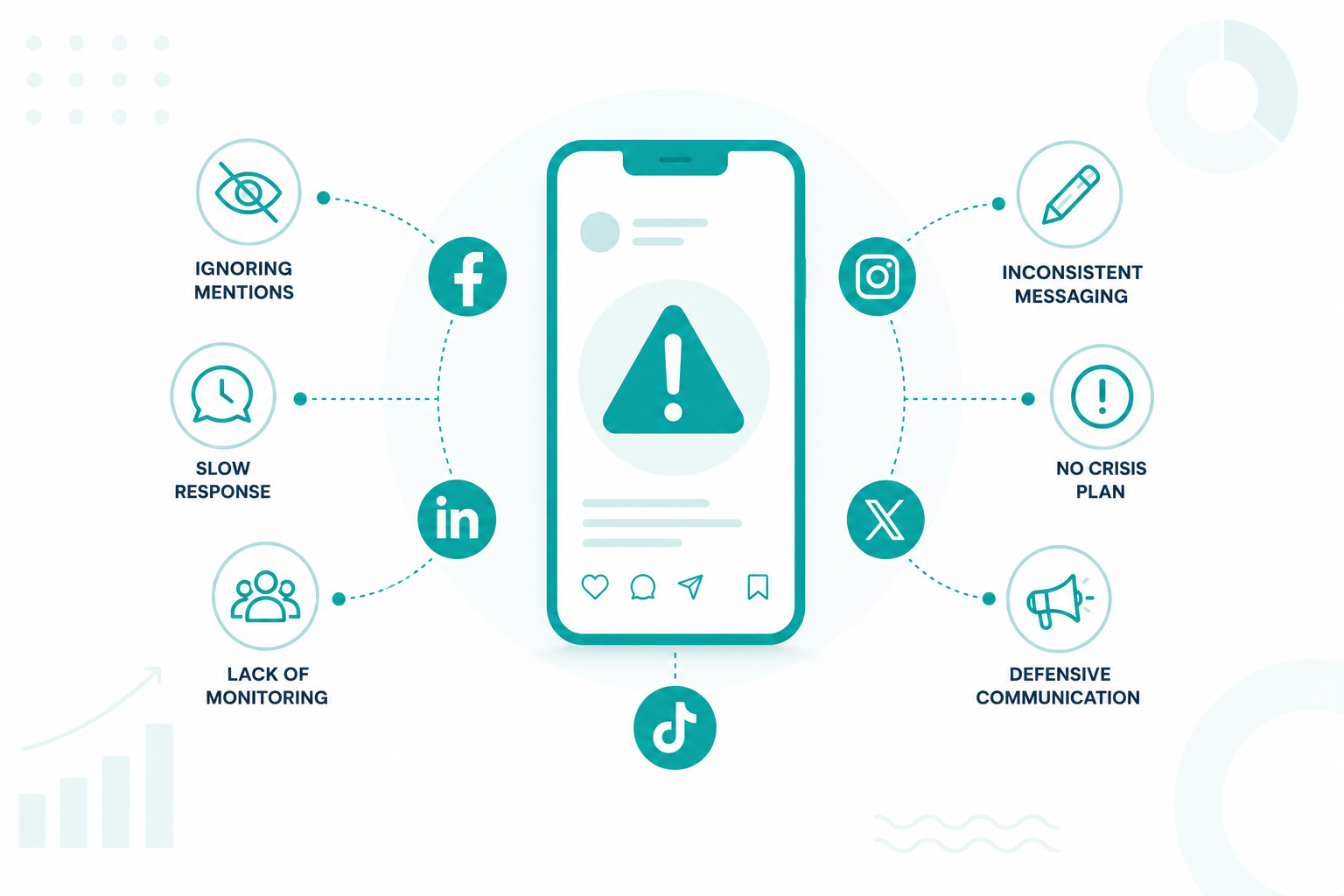
How to Prevent a Social Media Crisis: Common Mistakes That Put Your Brand at Risk

How to Prevent a Social Media Crisis: Common Mistakes That Put Your Brand at Risk

Most social media crises begin with a comment nobody escalated, a scheduled post nobody paused, or a trend nobody researched before joining. By the time the screenshots start circulating, the brand is answering a story someone else already wrote.

Social platforms are where that story forms. A pulse survey found social media is the number one place consumers first hear about a brand controversy, ahead of news articles, friends and family, and the brands themselves. Nearly two-thirds (64%) say brands should respond publicly on social and not only through a press release or website statement, and 84% say response speed directly affects how they view the crisis.

Prevention comes down to knowing the risks, spotting early warning signs, and having a clear process for responding under pressure, which this guide will teach you along with notes on where each step maps to a control you can set up in HubSpot.

Key Takeaways

  • Consumers often encounter brand controversies on social media and expect brands to respond there too.
  • Most crises stem from process gaps such as unclear ownership, unaddressed complaints, unvetted content, and unsecured accounts.
  • Defensive statements, empty apologies, deleted criticism, and compensation without a real fix can make the situation worse.
  • A useful crisis plan defines severity levels, clear roles, approval steps, verification standards, and who can pause content.

What Social Media Mistakes Can Put Your Brand at Risk?

marketer-analyzing-social-media-mistakes-that-create-brand-risk

1. Posting Without Checking the Context

Joining a trend, meme, or cultural moment without understanding what it references turns engagement into backlash. Audiences can tell the difference between cultural fluency and imitation. 93% of consumers think it matters that brands keep up with online culture, a third find brands jumping on viral trends embarrassing, and 27% think a trend works only within 24 to 48 hours of its lifespan.

Tone carries the same risk. Consumers may enjoy bold, humorous content from brands in categories like snacks or gaming, but see the same tone as unprofessional from banking or tech companies.

Five questions worth answering before trend-driven content publishes:

  • Where did this trend come from, and what does it reference?
  • Why is it getting attention right now?
  • Could someone outside the marketing team read this differently?
  • Does the brand have a credible reason to join?
  • Does the post still work if it circulates without the original context?

Politics, tragedy, discrimination, and active news events raise the stakes on every one of those questions.

2. Ignoring Complaints Until They Compound

Complaints about shipping, billing, defects, or confusing policies often keep generating comments until the root problem is fixed, creating a direct commercial cost when ignored.

The key mistake is treating all criticism the same. Service complaints need resolution, misinformation needs correction, harassment needs moderation and documentation, and constructive criticism needs a product or policy response. Sorting feedback early keeps the important signals visible.

3. Arguing With Customers in Public

Sarcasm, blame-shifting, and attempts to win a public argument can spread through screenshots, leaving people to judge the brand’s behavior rather than who was right.

Focus on resolving the issue rather than winning the exchange by acknowledging the frustration, sharing accurate information, moving account details to a private channel, and ending the public thread there.

4. Publishing Information You Have Not Verified

Sharing unverified information can create a crisis, especially as AI makes fabricated screenshots, quotes, and videos harder to spot. The number of online deepfakes grew from roughly 500,000 in 2023 to about 8 million in 2025, an increase of nearly 900% annually.

The risk increases when brands repost unverified claims, speculate about causes, share altered content, repeat rumors, or provide customers with information that has not been confirmed internally. Verification takes minutes, but correcting false information can take weeks and damage trust.

5. Letting Employees, Executives, and Creators Post Without Guardrails

Risk does not stop at your official accounts. Employees, executives, agencies, and paid creators all get read as extensions of the brand, so a creator's controversy becomes your controversy even when your team never touched the content.

Written expectations covering disclosures, sensitive subjects, approvals, and escalation reduce this exposure. So does briefing partners on the topics your brand will not comment on.

6. Leaving Accounts and Permissions Unsecured

A crisis is the worst time to discover that a former employee or contractor still has access to your social accounts. Strong unique passwords, two-factor authentication, centralized permissions, and immediate access removal help prevent this.

Publishing rights deserve the same attention. Knowing exactly who can post, reply, and approve on each channel keeps one person from creating an incident at 11 p.m. with nobody reviewing.

If your publishing runs through HubSpot, these access questions have specific answers. User permissions control who can draft, publish, and delete social posts, and those rights can be set per connected account, so a contractor managing LinkedIn cannot publish to your corporate X profile. Teams and permission sets apply the same rules to groups as headcount changes. Required two-factor authentication and SSO close the gap left by shared logins, and offboarding becomes one permission change on the day someone leaves.

How Can You Spot the Early Signs of a Social Media Crisis?

You can spot the early signs of a social media crisis by watching for changes in four key areas: mention volume, sentiment, reach, and the story people are repeating.

How Can You Spot the Early Signs of a Social Media Crisis?

Mentions Spike and the Same Complaint Keeps Repeating

Watch total mentions, negative mentions, complaint volume, negative keywords tied to your brand, comment activity on older posts, and mentions from accounts that never discuss you. Posts like "My order still hasn't arrived," "Anyone else having shipping problems?" and "This company hasn't responded about my order" look unrelated until customers start connecting them.

This pattern is called narrative clustering. Multiple posts begin repeating the same criticism, even when overall mention volume remains low. It signals that a larger story is starting to form, making the early stage the best and least costly time to respond.

Sentiment Turns Negative While Volume Stays Flat

A crisis can start without a mention spike. Total volume looks normal while the share of negative conversation climbs, which is why a volume-only dashboard creates false comfort.

A study in the Asia Pacific Journal of Marketing and Logistics analyzed 295,024 X (Twitter) posts across a three-year crisis and found sentiment coupling, with positive and negative sentiment appearing together throughout the period and not moving as simple opposites. Direction and context tell you more than a single score.

The Story Spreads Faster and Farther Than One Thread

Speed and reach are both important warning signs. A complaint that gains unusually high comments, reposts, or views within hours deserves attention before it reaches a large audience. The risk increases when the same claim appears across X, TikTok, Reddit, Instagram, LinkedIn, and news sites because each platform exposes it to a new audience.

News coverage can increase both reach and credibility, so social listening and media monitoring should be viewed together.

Criticism Shifts to Your Values and Calls for Action

The biggest escalation happens when criticism moves from what went wrong to what the incident says about your brand. Customers may start questioning your honesty, leadership, intentions, customer care, or whether your actions match your stated values.

The risk grows when people begin calling for boycotts, unfollows, reports, leadership contact, or pressure on your partners and advertisers. At this point, the conversation has moved beyond the original incident and become a broader trust and reputation issue.

Why Do Some Brand Responses Make a Crisis Worse?

Brand responses make a crisis worse when they serve the company's need to feel protected and skip what the audience came for, which is clarity, accountability, and evidence of action. A response that speaks to none of those stages simply gives people more to react to.

Defending the Brand Before Understanding the Problem

Defending the brand before understanding what happened can make the company look more concerned with protecting itself than addressing the issue. A stronger response acknowledges the concern, accepts responsibility when appropriate, and focuses on a solution.

Research links accommodative responses with stronger brand image, higher purchase intent, and greater satisfaction with complaint handling. The key is matching the response to the brand’s actual level of responsibility.

Getting the Timing Wrong in Either Direction

Silence allows others to define the story, but responding too quickly without the facts can make the situation worse.

The best first response is fast but focused. Acknowledge the issue, share only what has been confirmed, avoid speculation, and provide a clear time for the next update. This shows the issue is being addressed without creating new problems through inaccurate information.

Offering Gestures in Place of Accountability

"We're sorry you feel that way" communicates irritation and not accountability. A better response clearly acknowledges what happened, takes responsibility when appropriate, and explains what the company will do to fix it.

Money can also become a substitute for accountability. A refund may resolve the individual customer's problem, but it does not fix the underlying issue. Someone who gets their money back and sees no change may continue sharing the same complaint.

The same applies to vague promises. "We take this seriously" means little without a visible investigation, product change, policy update, or follow-up. A response becomes credible when the company's actions show that something has actually changed.

Deleting Criticism and Locking Comments

Removing harassment, threats, spam, and personal information is legitimate moderation. Deleting fair criticism because it is negative reads as concealment, and the conversation continues elsewhere with your deletion as fresh evidence.

Practitioners see the same pattern. Alfred Coffee's senior marketing manager says that shutting off comments has consistently made the reaction worse in her experience. Audiences build the narrative themselves through framing, sense-making, and accountability, so removing a comment does not remove the problem.

Misjudging Tone With Jokes or AI-Generated Copy

Humor can become a liability when an audience expects empathy. A playful response may work for a harmless product issue, but it can feel dismissive when the issue involves safety, discrimination, layoffs, or serious allegations.

AI-generated copy can create a similar problem when it sounds impersonal or fails to address the situation properly. AI can help draft responses, organize comments, and test wording, but sensitive statements still need human review, fact-checking, and a clear owner.

Both mistakes put the brand's comfort ahead of the audience's concerns. A crisis response should address what happened, what people need to know, and what the company will do next.

How Should You Respond When a Social Media Crisis Starts?

1. Confirm the Scale, Then Pause the Queue

Check the issue against your severity tiers before involving more people. One unhappy customer may need customer service, while the same complaint spreading across platforms may need a coordinated response.

Consider how many people are affected, whether there is a safety, privacy, financial, or legal concern, how quickly the conversation is spreading, who is amplifying it, whether the media has picked it up, and whether the problem is bigger than the original complaint. Serious consequences combined with broad reach signal that the issue has moved beyond routine community management.

Once it reaches that level, review organic content, paid campaigns, automated replies, chatbots, and related email sends. A cheerful product post beside a developing crisis can look indifferent, while an automated reply that ignores the situation can create another screenshot-worthy moment. Pause the usual content without shutting down your channels, since they still need to carry the response.

How to Pause the Queue in HubSpot

Work through the outbound channels in order of how fast they publish:

  • Scheduled social posts. Open the social calendar, filter to scheduled, and unschedule anything queued for the next 48 hours.
  • Scheduled marketing emails. Unschedule queued sends, including any tied to a campaign that touches the incident.
  • Active workflows. Turn off or pause workflows that send email, post to social, or fire internal notifications. Pausing holds enrolled contacts in place so the sequence resumes cleanly once the situation settles.
  • Chatflows and Breeze Customer Agent. Turn off automated replies on the channels carrying the conversation. An automated response to a serious complaint becomes its own screenshot.
  • Connected ad campaigns. Pause ads running through connected accounts, starting with any creative featuring the product, executive, or campaign at issue.

One person should be able to complete this list without asking permission at any step.

2. Establish the Facts With the Right Teams

Bring social, customer service, communications, legal, product, security, and leadership into one shared thread. Establish who was involved, what happened, where it started, when it began, and why. Accurate timing matters, especially when the situation is moving quickly.

Then organize the information into four categories: confirmed, unconfirmed, under investigation, and shareable. This keeps unverified claims out of public statements while the team continues to investigate.

3. Acknowledge Publicly, and Match Your Words to Your Responsibility

You can respond before you have all the answers. A useful 15-20-60-90 timeline can guide the response. Acknowledge the issue at 15 minutes, share confirmed facts at 20, provide a detailed update at 60, and give a fuller briefing with regular update commitments at 90.

A simple acknowledgment could be:

"We are aware of the concerns being raised and are looking into what happened. We are gathering the relevant information now and will share an update as soon as we can confirm the details."

Post it where the conversation is already happening. Keep the language aligned with what you know. When the company is clearly responsible, taking ownership is better than avoiding responsibility. When the facts are still unclear, acknowledge the concern without admitting fault before the investigation is complete.

4. Name the Action, and Keep the Message Consistent Everywhere

Keep the core facts consistent across social media, your website, customer support, and media responses. Your social team should not say an issue is resolved while support tells customers it is still under investigation. Keep employees informed too. Give them the confirmed facts, approved language, and clear guidance on what not to discuss publicly.

For individual cases, acknowledge the broader issue publicly, handle personal details privately, and share relevant fixes publicly. Moving a case to DMs can protect privacy, but it should not be used to hide a legitimate problem.

5. Monitor the Response and Deliver the Updates You Promised

Continue tracking sentiment, comment volume, reposts, search interest, creator discussions, news coverage, and new claims that emerge after your response. Keep the update schedule you promised. Even an update saying the investigation is still ongoing is better than going silent after promising new information.

The response process should follow a clear sequence. Listen, verify, assess, acknowledge, act, update, and follow through. A strong response is not just about choosing the right words. It also depends on taking visible action after the initial attention fades.

What Should Your Social Media Crisis Plan Include?

A social media crisis plan should answer the six questions your team will not have time to debate: what counts as a crisis, who watches for it, who decides, what gets verified, where you communicate, and who speaks. Everything below serves those decisions.

1. Severity Tiers That Define What Counts as a Crisis


Level Description What’s Happening What to Do
Level 1 An isolated complaint with little reach. 1–5 people Respond directly, resolve privately, monitor for spread.
Level 2 Repeated complaints or building attention. 6–50 people Alert the team, prepare messaging, watch sentiment closely.
Level 3 Viral spread, media coverage, clear reputational risk. 51–10,000+ people Activate the full response team and run the plan.
Level 4 Safety, legal exposure, major operational disruption, or sustained national coverage. 10,000+ people / National impact Executive-led response with legal and communications counsel.


Tiers help your team distinguish between a minor rude comment and a serious issue like a product recall.

2. Monitoring and Escalation Ownership

Identify who monitors your channels, which tools they use, how often they check, and what signals require escalation. Monitor your brand name, products, campaigns, common misspellings, relevant category terms, and competitor conversations where useful.

Keep the schedule simple. Check comments within the first 30 minutes after a post goes live, then hourly for the first 24 hours, followed by a daily brand search on X and TikTok. Assign coverage for nights and weekends too, since issues do not follow business hours.

3. Roles, Decision Rights, and Approval Paths

Assign key roles before a crisis happens. These can include a response lead, approvers, product or technical expert, legal contact, customer service lead, communications lead, and executive decision-maker.

Make each person's authority clear. Define who can approve routine replies, who reviews crisis statements, when legal or executive approval is required, who speaks during serious incidents, and who takes over outside business hours.

4. Response Frameworks and Verification Standards

Create flexible frameworks for common situations such as product failures, privacy incidents, employee misconduct, inappropriate content, misinformation, fabricated media, customer service failures, creator controversies, safety concerns, and campaign backlash.

Keep these frameworks adaptable. Each framework can cover the key elements such as acknowledgment, confirmed facts, action, and the next update. Before anything is published, confirm what you know, how you know it, what remains unconfirmed, and what can be shared legally and ethically.

5. Authority to Pause Content

Give a specific person the authority to pause scheduled posts, paid campaigns, automated replies, chatbots, email sends, creator content, and recurring content series. Make sure that person has the access needed to pause content immediately without waiting for additional approval.

6. Keep the Plan Current

A strong plan should follow a clear lifecycle. Detect, assess, assign, verify, respond, monitor, and recover. Review the plan regularly so that roles, contact details, access permissions, approval paths, and procedures remain current. A crisis plan only works when the team knows where it is and can use it when pressure hits.

How Can You Protect Your Brand From Future Social Media Crises?

Protect your brand by controlling who can publish, writing the rules down, training the people who follow them, and updating all of it after every incident. Here are the four practices to cover it:

1. Control Who Can Publish and Approve

Decide who can create, approve, publish, and reply on each channel, then match the approval depth to the risk. Junior staff and agencies draft, a senior owner signs off, and regulated topics add compliance review before anything goes live.

Lock down access at the same time. Two-factor authentication on every account, centralized permissions with no shared logins, credential changes the day someone leaves, and a quarterly audit of who still holds posting rights.

2. Write a Policy People Can Follow

Put the expectations in one document: sensitive topics, customer interactions, confidential information, account security, employee and executive posting, creator partnerships, disclosure and copyright requirements, escalation paths, and how to handle misinformation.

Give AI its own section. Name where it helps, including monitoring, clustering comments, drafting internal summaries, and testing wording. Name where it stops, including any reply to an emotionally charged complaint. Specify which content requires human review, which can never be published automatically, and who owns the output when AI wrote the draft.

3. Train the Team and Run Drills

Social managers need practice recognizing escalation signals, handling hostile threads, verifying claims, and escalating without hesitating. Customer service, PR, legal, and executives need to know their part when something escalates past the comment section.

4. Debrief Every Incident and Update the Plan

Once attention fades, run the review while details are fresh. What happened, how it was detected, how long the first response took, what helped, what made things worse, where internal communication broke down, and what changes now.

Then close the loop. Update the policy, the escalation path, monitoring rules, templates, and training, and confirm the contact list still reaches real people. An incident that changes nothing costs you twice.

Close the Gaps Before They Cost You

Social media crises often expose gaps in ownership, verification, and response. Close those gaps before a crisis by setting severity tiers, naming a response lead and approver, defining monitoring, and creating a few response frameworks.

Run one drill to find what breaks, then build the process into HubSpot, so your team can access owners, permissions, response templates, and escalation steps when an incident happens.

Campaign Creators can help you build HubSpot social media workflows, governance, and content operations that support this kind of readiness. Talk with our team about building a more reliable social media process for your organization.

Frequently Asked Questions

What is a Social Media Crisis?

A social media crisis is a sudden negative shift in online conversation that puts trust or reputation at risk.

What Is the Difference Between a Social Media Crisis and a PR Crisis?

A social media crisis starts on or gets amplified through social platforms. A PR crisis can involve traditional media, legal exposure, or offline events.

Should You Delete the Post That Caused the Backlash?

Sometimes, but explain why. Delete an offensive or inaccurate post when keeping it up could cause more harm. Once screenshots exist, silently deleting it can look like a cover-up. Explain what you removed, why you removed it, and how you are addressing the issue. Don’t delete fair criticism, as it can make the backlash worse.

Who Should Speak for the Brand During a Crisis?

Assign a spokesperson in advance. The social or communications lead can handle routine updates, while safety, legal, or executive issues may require a senior leader. Make sure everyone knows who can speak publicly and has approved messaging for questions they may receive.

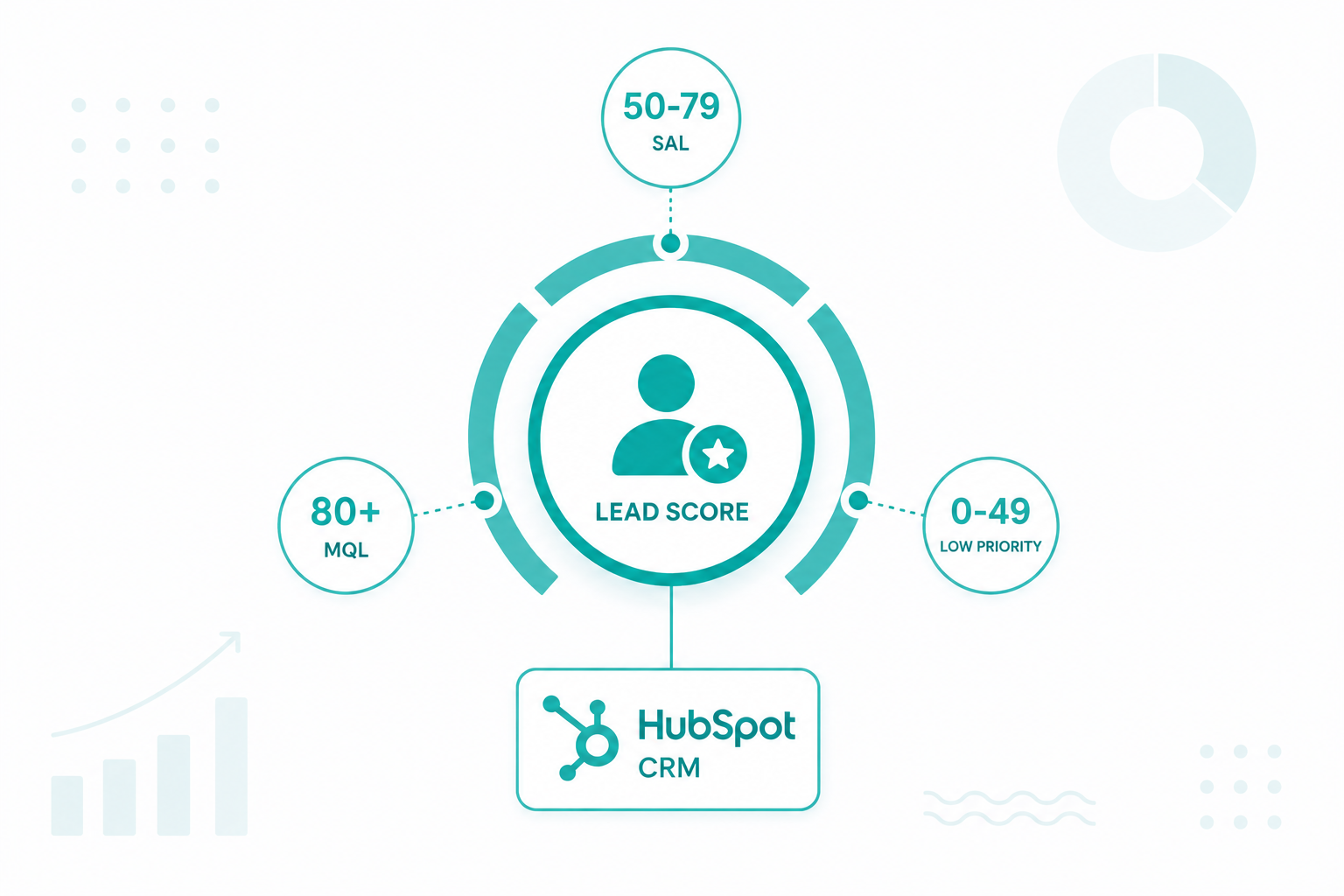
How to Build a HubSpot Lead Scoring Framework for Enterprise RevOps

How to Build a HubSpot Lead Scoring Framework for Enterprise RevOps

Most enterprise HubSpot portals already have a lead score. Far fewer have a score that sales actually acts on. The usual reason is structural. A...

Read More
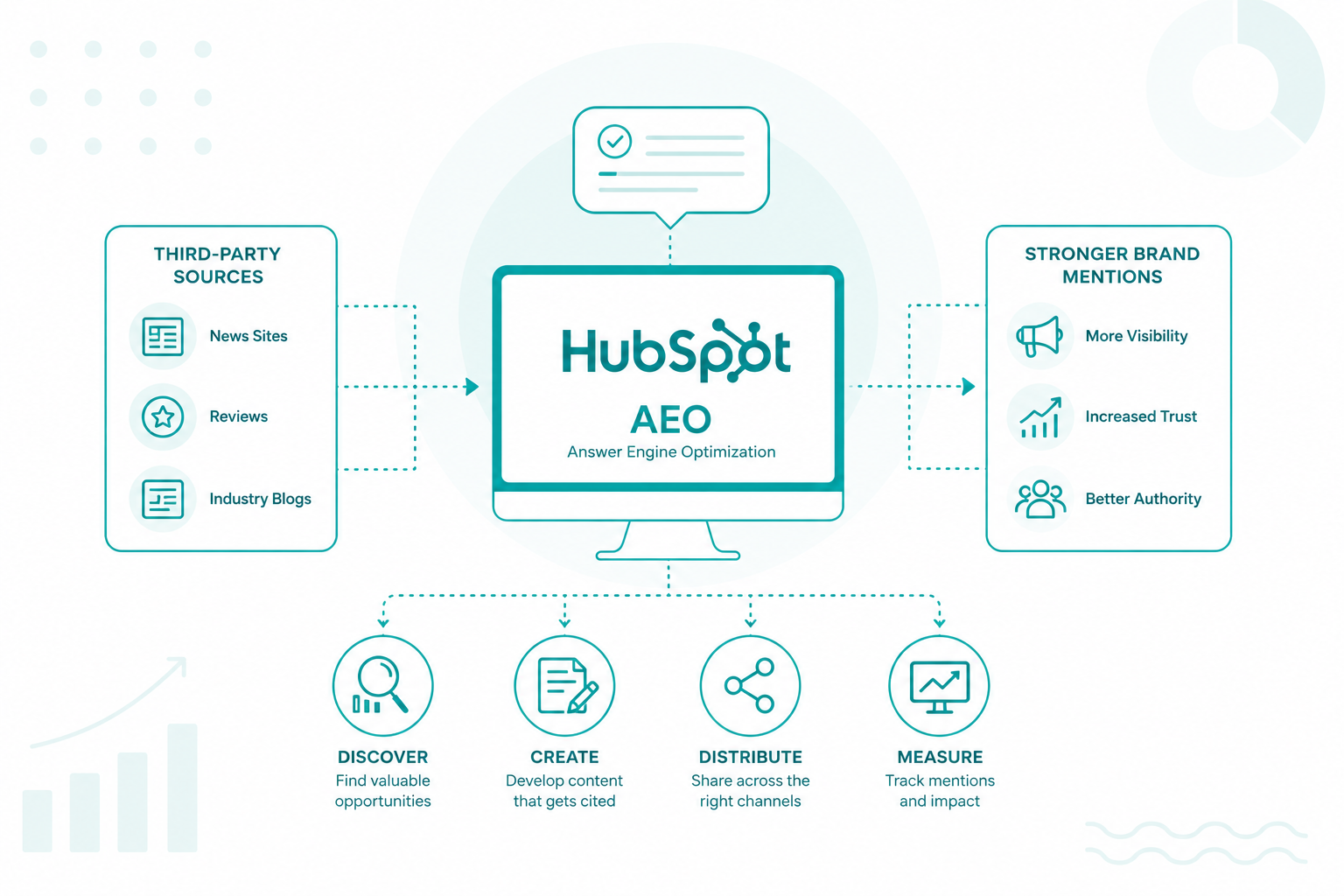
How Can You Improve Third-Party Brand Mentions With HubSpot AEO?

How Can You Improve Third-Party Brand Mentions With HubSpot AEO?

Third-party brand mentions improve your AEO performance when they connect your brand to a specific topic inside sources that answer engines already...
Read More
How to Build an eCommerce Website in 2026: Cost, Features & Step-by-Step Process

How to Build an eCommerce Website in 2026: Cost, Features & Step-by-Step Process

Building an eCommerce website in 2026 is no longer just about getting products online. More than 2.5 billion people worldwide now buy consumer goods...

Read More